
Qualcomm Patents Technology to Locate Wireless Tracking Chips Across Existing 5G Networks
Your phone's 5G network could soon double as a location system for the tiny wireless tags attached to packages, pallets, and equipment, no dedicated tracking hardware needed.
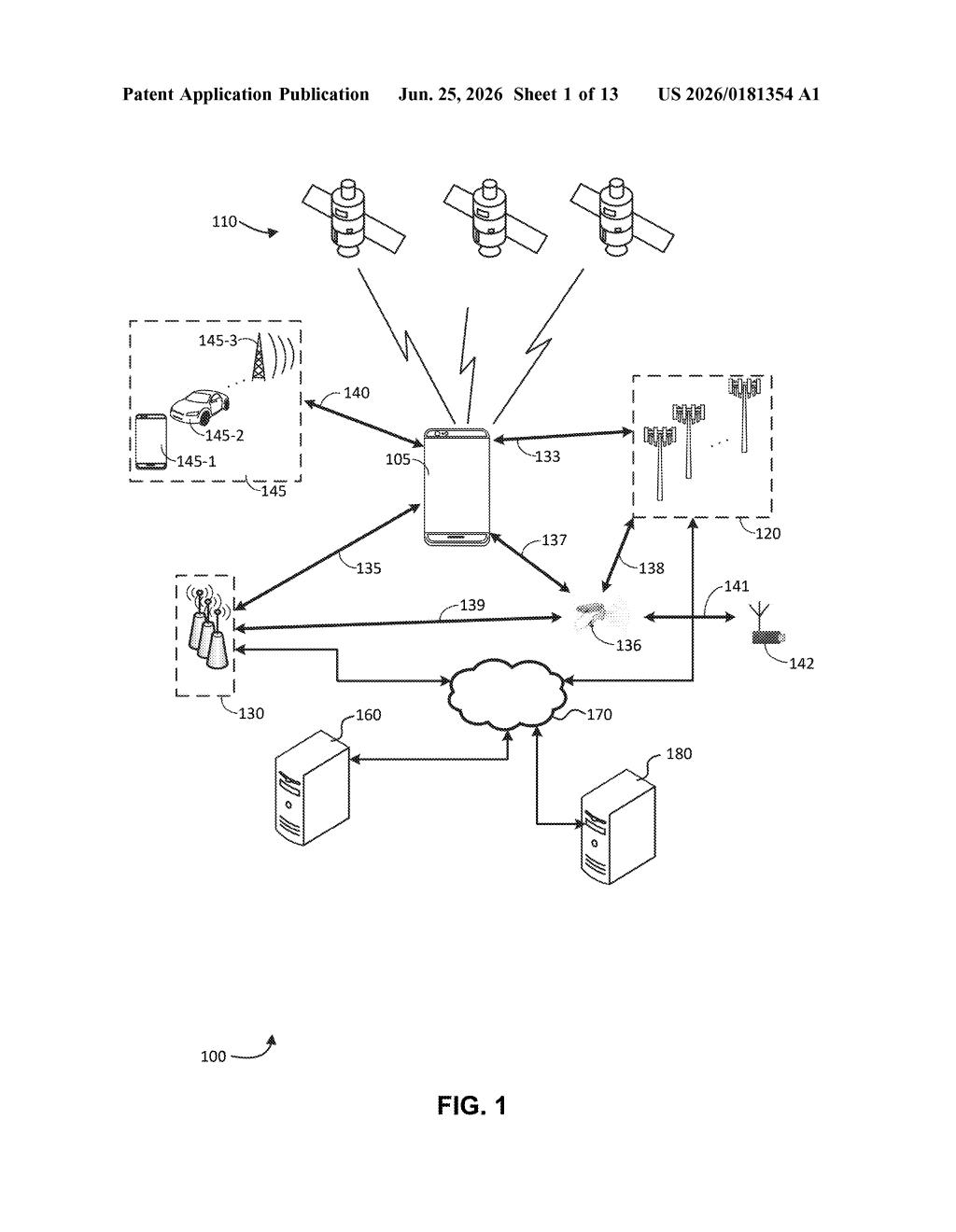
How Qualcomm's RF tag location system actually works
Imagine a warehouse full of shipping pallets, each tagged with a small wireless chip. Right now, figuring out exactly where each pallet is often requires its own dedicated scanning infrastructure. Qualcomm's new patent proposes letting the existing 5G cellular network do that location work instead.
The idea is fairly direct: a reader device (the thing that talks to those small tags) sends a location request into the wireless network. A nearby 5G base station or device picks up that request, figures out where the tag is by coordinating with other points on the network, and sends the location back to the reader.
You end up with a system where the same network carrying your data calls also tracks physical objects, without needing a separate GPS unit or dedicated positioning grid on every tag.
How the network hands off location requests between devices
The patent describes a multi-step coordination process inside a wireless network. A device the patent calls an RF reader (a scanner that communicates with passive or low-power RF tags) sends a positioning assist request to a first wireless device on the network, essentially asking "where is this tag?"
That first wireless device then has two options: it can forward a second positioning request to another node on the network, or it can go find the right positioning resources (the reference signals and measurement points used to calculate location) itself. It can also do both.
Once enough location data is gathered, the network sends position information back to the original RF reader. The chain looks roughly like this:
- RF tag is scanned by an RF reader
- Reader asks the wireless network for the tag's location
- Network nodes coordinate to calculate position using existing radio signals
- Location is returned to the reader
The approach is designed to work within existing 5G NR (New Radio) infrastructure, meaning the positioning capability is layered on top of network hardware that already exists, rather than requiring dedicated positioning-only beacons.
What this means for warehouse and supply-chain tracking
The practical target here is industrial and logistics tracking: warehouses, shipping yards, manufacturing floors, and retail stockrooms where knowing the precise location of tagged objects matters. Today, solutions like RFID tracking often require purpose-built readers at fixed checkpoints. A network-native approach could let location queries happen anywhere a 5G signal reaches.
For Qualcomm, this fits a broader push to make 5G chipsets attractive for industrial and IoT (Internet of Things) applications, not just phones. If device makers can rely on the cellular network for both data and positioning, that simplifies the hardware stack and could make Qualcomm's chips more appealing in sectors like supply chain and smart manufacturing.
This is incremental infrastructure work, not a headline product. Qualcomm is expanding what cellular networks are expected to do, and positioning passive RF devices via 5G is a real gap in the current spec. It won't make news at a consumer level, but logistics and industrial IoT companies would find it genuinely useful if it ships.
There are more where this came from
We read every patent application Big Tech publishes and send you the ones worth knowing. Plain English, free, every week.
Want this weekly breakdown for a company we don't cover? Patentlyze Pro →