
Qualcomm Patents an AI That Predicts Wireless Network Performance Before Deployment
Building and testing a wireless network is expensive, slow, and full of surprises. Qualcomm's new patent describes a way to train an AI model on data from multiple different network simulators, so it can predict how a real network will perform before anyone lays a single piece of hardware.
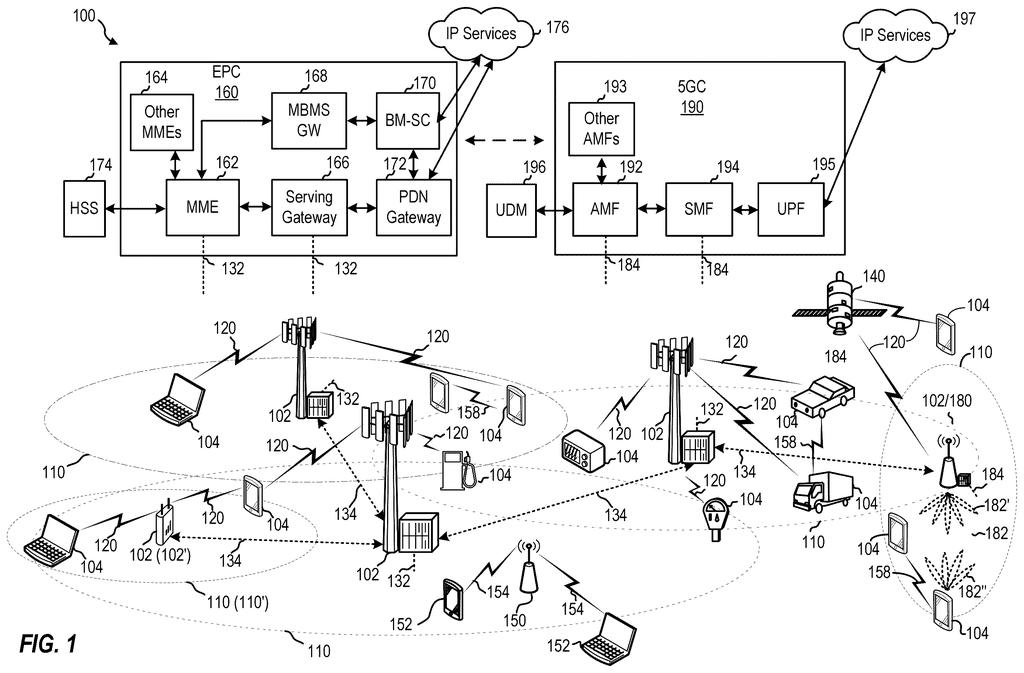
What Qualcomm's multi-simulator AI training actually does
Ever tried to plan a road trip without knowing if the highway is under construction? Network engineers face something similar every time they design a new wireless system. They have to guess how their setup will perform in the real world, and getting it wrong means dropped calls, slow speeds, and costly fixes.
Qualcomm's approach here uses two separate software simulators, each running slightly different configurations of the same imaginary network. The AI then learns from both sets of results at once, building a richer picture of how a network behaves under different conditions.
The end goal is an AI that can accurately forecast things like connection speed, reliability, and signal quality for a wireless network before that network is ever switched on. For engineers, that means fewer expensive surprises at deployment time.
… generate a third training data set based at least in part on the first training data set and the second training data set; and train one or more machine learning models, associated with prediction of one or more performance metrics of the wireless communication network, based at least in part on the third training data set.
Translation: It combines data from multiple simulators to train an AI that forecasts how well a wireless network will perform.
How the third training set combines two simulator outputs
The patent describes a training pipeline for a machine learning model designed to predict wireless network performance metrics, things like throughput, latency, and signal reliability.
Here is how the pipeline works:
- First simulator data: A first network simulator runs a specific scenario (say, a city block with dozens of phones connected to a cell tower) under one set of configurations. The outputs become the first training dataset.
- Second simulator data: A second network simulator runs the same scenario but with a different set of configurations. This might mean different antenna settings, channel models, or traffic loads. Its outputs become the second training dataset.
- Combined training set: The system merges both datasets into a third, combined dataset. This blended data exposes the AI to a wider range of network behaviors than either simulator alone could produce.
- Model training: One or more machine learning models are trained on this combined dataset to predict how a real wireless network will perform.
Using two simulators matters because no single simulator captures every real-world variable perfectly. By combining them, the AI learns from a broader base and is less likely to be blindsided by conditions it has never seen.
… techniques for training an artificial intelligence-based wireless communication network simulator.
Translation: The system uses artificial intelligence to model and simulate wireless network operations.
What this means for 5G and future network planning
For network operators planning 5G or next-generation wireless infrastructure, accurate performance prediction before deployment can save significant time and money. Rather than running costly over-the-air tests or discovering problems after equipment is installed, engineers could use a trained model like this to screen configurations quickly in software.
For everyday users, the downstream effect would be networks that arrive better tuned from day one, with fewer of the coverage gaps or congestion issues that show up when planning assumptions turn out to be wrong. Qualcomm's long bet on AI-driven wireless infrastructure shows up across several recent filings, and this one sits squarely in that line of work.
This is the sixth Qualcomm filing we've tracked in AI simulation since May, adding to earlier work like one reading 3D sensors and cameras and one on scaling AI consistently.
Using two simulators instead of one means the training data has to come from sources that may not speak the same language, different assumptions about how networks behave, different scales, different internal conventions. If those gaps are not carefully bridged before training begins, the combined data could confuse the AI more than a single consistent source would.
The patent describes merging the two datasets but does not commit to a specific method for resolving those conflicts, which leaves the hardest part of the work unspecified.
The underlying bet is still reasonable: a model exposed to a wider range of simulated conditions should handle real-world messiness better than one trained narrowly. That trade reads as worth it, but only if the implementation does the alignment work the patent is not required to show.
There are more where this came from
We read every patent application Big Tech publishes and send you the ones worth knowing. Plain English, free, every week.
The drawings
17 drawing sheets from US 2026/0281753 A1 · click any drawing to enlarge


Want this weekly breakdown for a company we don't cover? Patentlyze Pro →