
Qualcomm Patents a System That Knows When to Move AR Labels Out of the Way
AR headsets are great at plastering labels onto the world, but knowing when to move or hide those labels is a harder problem. Qualcomm's latest patent takes a direct swing at it.
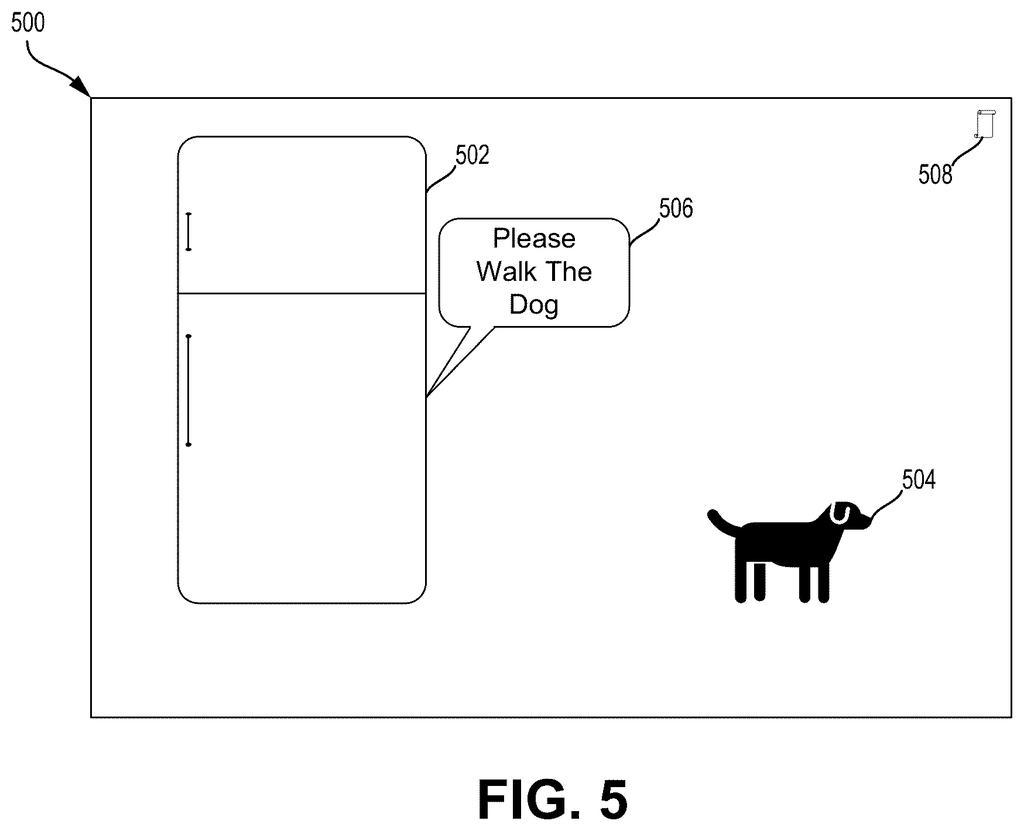
What Qualcomm's AR content-shifting system actually does
Every time an AR headset pastes a floating label onto a real-world object, it has to make a quiet bet: will this label still make sense five seconds from now? If you walk closer, glance away, or pick the object up, the label might block something important or drift into nonsense territory.
Qualcomm's patent describes a system that ties virtual content to real objects and then watches for specific trigger conditions. When one of those conditions is met, the headset automatically changes how the content looks or where it sits, according to rules set in advance. Think of it like a conditional rule in a spreadsheet: if this happens, do that.
The anchoring itself is also flexible. The patent says where a label attaches to an object can be decided on the fly based on what the headset knows about the current situation, not just locked in when the label is first created. That's a small detail that could make a noticeable difference when context keeps changing around you.
… anchoring the content to the first object is dynamically determined based on a state and a context under which the content is created …
Translation: The system figures out where to attach labels by looking at how and when they were made.
How the trigger-and-transition engine repositions anchored content
At the core of the patent is a concept called anchored content with transitions. When virtual content is placed in an AR scene, it gets tied to a specific real-world or virtual object. Alongside that anchor, the system stores a transition: a definition of how the content should change when a particular trigger fires.
A trigger condition could be almost anything the headset can detect: the user moving closer, looking away, a timer expiring, or a change in the surrounding environment. Once the headset determines the trigger has been satisfied, it modifies the content according to the pre-defined transition and re-renders the result. The loop is: display content, watch for trigger, apply change, display updated content.
The anchoring step has an extra layer of flexibility. Rather than locking a label to a fixed point on an object when it is first created, the system can dynamically determine where to anchor based on the current state and context. That means the same label could attach to different parts of an object depending on what the user is doing or where they are looking.
- Content is received with an associated object and a pre-defined transition rule
- The system monitors for the trigger condition continuously
- On trigger, it modifies the content and outputs the updated version
- Anchor position is flexible, not fixed at creation time
… modifying the content for presentation based on the first transition; and outputting the modified content for display …
Translation: It changes how the labels look when a specific trigger happens and shows the updated version.
What this means for AR headset users in real situations
Right now, AR overlays in most headsets feel static: a label appears, it floats there, and it stays until you explicitly dismiss it. That works in a controlled demo but breaks down in real use, where your position, attention, and surroundings shift constantly. A label that made sense a moment ago might now cover the very thing you need to see.
If this approach makes it into Qualcomm's XR chips or reference platforms, headset makers building on top of Qualcomm hardware would have a standardized way to build context-aware content. For you as a wearer, that could mean fewer moments where a floating label is blocking your view right when you need it clear, and less manual tidying of an AR scene that should, in theory, tidy itself.
Qualcomm's 40th filing we've tracked in our AR glasses race watchlist since July adds to a run that includes one on laser safety and one on 3D map focus.
AR glasses have a layout problem that nobody talks about much: virtual labels and prompts don't automatically know when they're getting in your way. This patent builds a trigger-and-response system so that overlaid content can react to what's happening around you, fading, shrinking, or repositioning before it becomes a problem.
The concrete difference shows up in small moments. A nutrition label fades before it covers a barcode you're trying to scan. A navigation prompt shrinks as you get close enough not to need it. You'd probably never notice the system working, which is exactly the point.
That invisibility is what makes this matter. Headsets stay in drawers when the virtual layer feels dumb and static. A device that keeps its overlays out of your way earns enough trust to stay on your face.
There are more where this came from
We read every patent application Big Tech publishes and send you the ones worth knowing. Plain English, free, every week.
The drawings
12 drawing sheets from US 2026/0278957 A1 · click any drawing to enlarge


Want this weekly breakdown for a company we don't cover? Patentlyze Pro →