
Qualcomm Files Patent for Phones That Lock Faces and License Plates in Your Videos
Qualcomm's filing describes a camera that can scramble just the faces, license plates or whiteboards in a video, and only when your location or Wi-Fi network says it should. The scrambled patch rides inside the same file, so one clip can show two different versions.
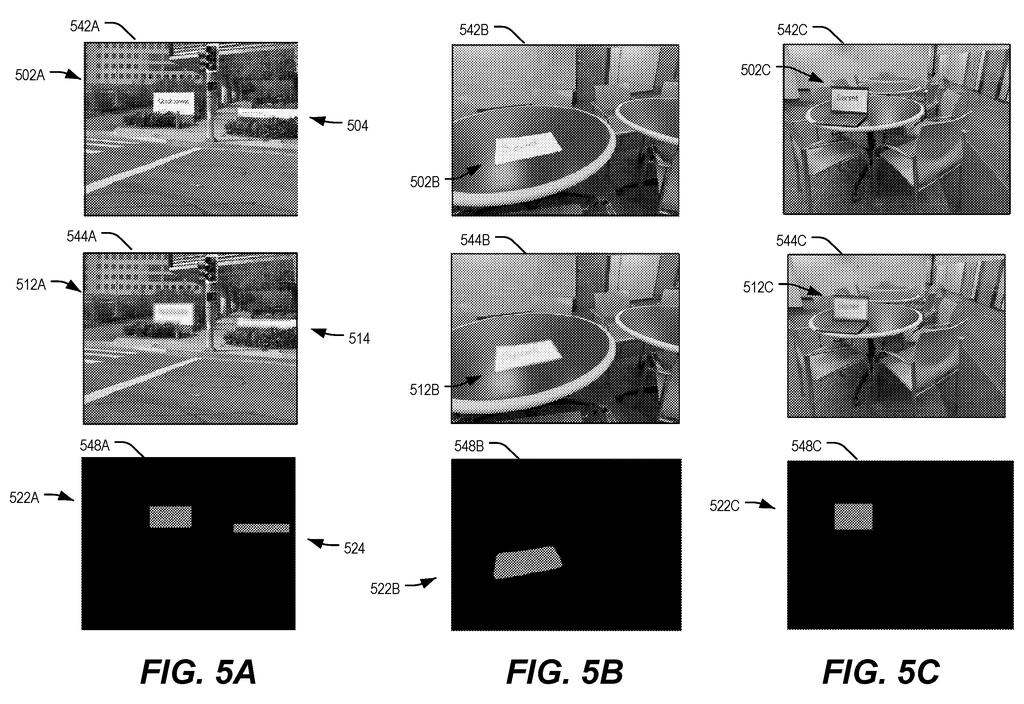
What Qualcomm's context-aware video lock does
You're filming a quick video at your office, and the whiteboard behind you is covered in plans nobody outside the building should see. Today you'd have to remember to blur it later, or keep the whole clip private. Qualcomm's patent filing describes a phone or camera that handles this for you.
The device keeps a list of rules, such as when you're on the office Wi-Fi, protect documents, screens and whiteboards, or when you're outdoors in public, protect faces and license plates. When a rule's situation matches, the device spots those things in the video and scrambles just those patches with a digital key. Everyone else sees a blurred or blocked-out spot.
The clever part is that the scrambled patch rides along inside the same video file. People with the key see the original, and everyone else gets the masked version, with no second copy to store or send.
… encrypt a portion of the input media data that includes an instance of the object class to generate encrypted media data.
Translation: The device scrambles specific parts of the video that match what you want to hide.
How the masked and hidden frames travel together
Each rule, which the filing calls a content encryption configuration, bundles three things: an object type to protect (faces, license plates, documents, whiteboards, computer screens, street names, or even the whole frame), a condition for when to protect it, and an active or inactive status.
Conditions are checked against context the device already has. The filing lists:
- The name of the Wi-Fi network the device is connected to
- Its position from GPS or an indoor positioning system, compared to a map boundary (a geofence)
- A sign or marker spotted in the video that says protection is required
When a condition is met, the status flips to active. The device then skips re-checking for a set stretch of seconds or video frames. If the object keeps showing up, the stretch is extended. If not, the device re-checks the context.
Next, the device finds the object's outline, masks it (blur, a solid color, stripes), and encrypts the pixels underneath with format-preserving encryption (the scrambled data is the same size as the original). That patch is saved as its own frame, labeled do not display and tied to the masked frame by an ID number.
Ordinary players ignore the hidden frame and show the masked video. A player holding the key decrypts the patch and puts the original back in place. The filing also covers rule priority, such as company rules overriding personal ones.
Why selective video privacy matters for cameras
If you record video in places where privacy rules differ, such as a dashcam, a body camera, in-cabin monitoring or AR glasses, the footage could protect sensitive bits on its own. The filing says the old options either encrypt a whole video, which costs computing power and battery, or mask content in a way that can't be undone. Protecting only the sensitive patches should cost less, and authorized people can still get the full picture.
The one-file design matters just as much. A company, a regulator and the public could all get the same clip, each seeing what their access allows. The filing names phones, tablets, AR and VR headsets, cameras and vehicles as places the processing could run. Since Qualcomm supplies chips for many of these, a feature like this would show up in how footage is handled on the device.
That makes this Qualcomm's 25th filing we've tracked since July in our on-device AI privacy watch, after earlier applications for glasses that log what you see and video that hides faces.
The design's biggest trade is that the protected pixels travel inside the shared file. That saves storage and lets one clip serve everyone. It also means every copy carries the locked patch, so your privacy rests on the key staying secret and the encryption holding up for years.
The second cost is accuracy. The system only protects what its detector spots, so a face at an odd angle or a license plate in bad light would stay visible with no warning. The triggers are also blunt: a Wi-Fi name or a map boundary tells the device where it is and says nothing about who is standing in the frame.
Still, the trade reads as worth it for dashcams, body cameras and office footage. Encrypting a whole video wastes power, and hiding everything makes the footage useless. Protecting only the sensitive patches is a sensible bargain, provided the detector rarely misses.
Get our take in your Top Stories
Liked this breakdown? Add Patentlyze as a preferred source on Google, and our plain-English take shows up more often in your Top Stories the next time Qualcomm patent news breaks.
There are more where this came from
We read every patent application Big Tech publishes and send you the ones worth knowing. Plain English, free, every week.
The drawings
19 drawing sheets from US 2026/0340171 A1 · click any drawing to enlarge


Show the other 11 sheets


Want this weekly breakdown for a company we don't cover? Patentlyze Pro →
Be the first to weigh in