
Qualcomm Patents a Chip That Activates Find-My Tracking the Moment Your VR Headset Goes to Sleep
Qualcomm wants the chip inside your XR headset to switch into tracking mode the instant you stop using it, without you having to turn anything on.
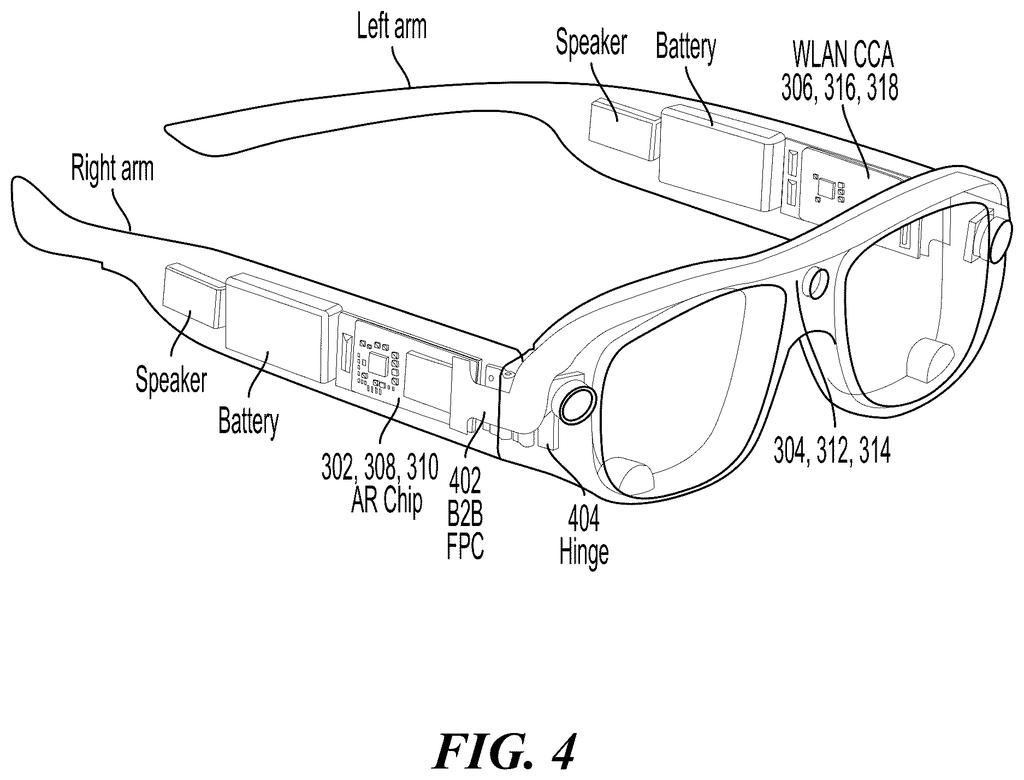
How Qualcomm keeps a sleeping headset findable
You set your XR headset down on the couch, walk away, and forget about it for a few days. The battery hasn't died yet, but the headset is basically asleep. Under the current setup, most devices in this state are close to invisible to any find-my network.
Qualcomm's patent describes a chip-level fix: the moment the headset enters a low-power idle state, the processor automatically kicks on a device search mode before going even deeper into sleep. The headset can then respond to location pings without you ever having enabled tracking manually.
When the chip gets a wake-up signal from its power management circuit, it exits sleep, handles whatever triggered the wake, and then turns tracking off again. The whole cycle runs at the hardware level, so it doesn't depend on the operating system or an app staying open in the background.
… initiating the device search mode in response to entering the idle state; entering an inactive state after initiating the device search mode; exiting the inactive state into the active state, in response to receiving a power management integrated circuit (PMIC) trigger; and exiting the device search mode after exiting the inactive state.
Translation: The chip automatically starts tracking your device as soon as it goes to sleep and stops once it wakes back up.
How the SoC cycles through idle, inactive, and active states
The patent describes a sequence of states managed by a system-on-a-chip (SoC), the main processor package in a device like a VR or AR headset.
Here is the flow the chip follows:
- Active state: the device is in normal use. Device search mode (the equivalent of Find My) is off because the user hasn't enabled it.
- Idle state: the user stops interacting. The SoC transitions to idle and, at that moment, automatically initiates device search mode.
- Inactive state: the chip goes even deeper into low-power sleep to conserve battery.
- Wake event: a Power Management Integrated Circuit (PMIC) trigger, a hardware signal from the chip that handles battery and voltage, pulls the SoC back to active. The device handles whatever caused the wake, then exits device search mode.
The key design point is that tracking is tied to the idle-entry event at the hardware level, not to a user toggle or a software service. That means it can operate even when the main operating system is mostly asleep. The PMIC acts as a low-power watchdog that can rouse the main chip just enough to respond to a location request, then let everything go back to sleep.
A method for system-on-a-chip (SoC) low power mode operation includes entering an idle state from an active state when a device search mode has not been enabled by a user. The method also includes initiating the device search mode in response to entering the idle state.
Translation: The system is designed to turn on tracking features automatically even if the user never manually enabled them.
What this means for lost or stolen XR hardware
Lost or stolen XR headsets are an increasingly real problem as devices like the Meta Quest and Apple Vision Pro carry high price tags and store personal data. Most find-my systems depend on the device being awake enough to broadcast a signal, which means a headset that has been sitting untouched, or one that an opportunistic thief has simply left powered on, can slip off the map. Qualcomm's approach moves the tracking trigger below the software layer, so the headset advertises its presence during the exact window when it is most likely to go unnoticed.
For enterprise buyers especially, the ones deploying fleets of XR headsets in warehouses or hospitals, this kind of hardware-level asset tracking is a meaningful operational detail. The chip Qualcomm is patenting here is the kind of component it sells to device makers across the XR industry, so an approval could shape how the next generation of headsets handles this problem. This filing sits alongside the broader wave of XR chip and power-management patents that Big Tech patent news has tracked over the past year.
Claim 1 covers any SoC method that enters idle, initiates a device search mode, enters inactive, wakes on a PMIC trigger, and exits device search mode. That breadth is deliberate, and if granted it could give Qualcomm a blocking position over any chipmaker implementing this idle-to-tracking state machine in XR hardware. The catch is that the claim hinges on a precise ordering of states, so a competitor could sidestep it by triggering device search before the idle transition rather than in response to it. The value is the planted stake: Qualcomm marking out how XR chips should handle a still-unsolved power-versus-findability problem.
There are more where this came from
We read every patent application Big Tech publishes and send you the ones worth knowing. Plain English, free, every week.
The drawings
10 drawing sheets from US 2026/0236082 A1 · click any drawing to enlarge


Want this weekly breakdown for a company we don't cover? Patentlyze Pro →
Be the first to weigh in