
Samsung Patents a Training Method That Uses Two AI Systems to Identify Objects
Training an AI to recognize objects is hard enough with one model. Samsung has filed a patent describing a method where a second, already-trained AI acts as a teacher, guiding a newer model to get better faster.
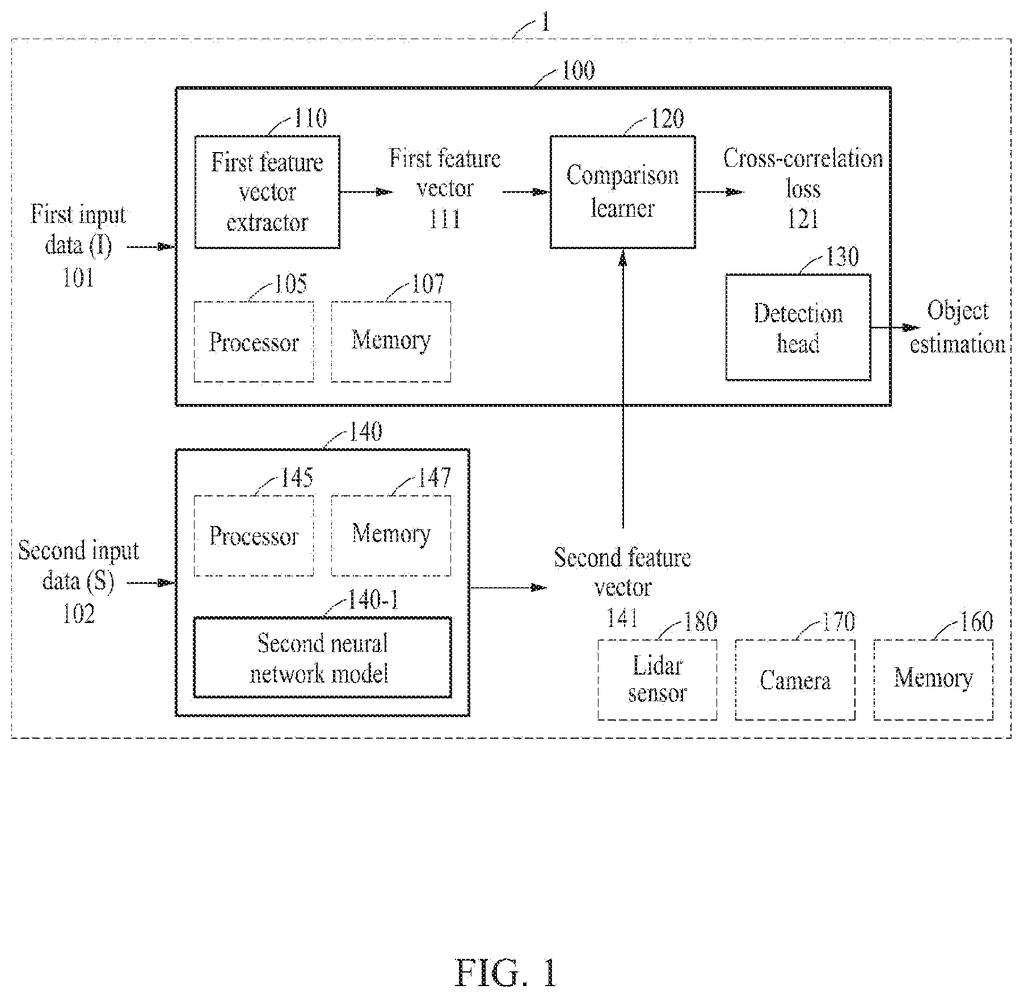
What Samsung's two-model AI training approach actually does
Ever tried to describe something to a friend who's never seen it before? You end up showing them multiple examples from different angles, different lighting, different distances. Teaching an AI to recognize objects works the same way, and getting it right takes a lot of effort.
Samsung's patent describes a training setup where two AI models work in tandem. One is already trained and acts as a reference point. The other is still learning. The system compares how each model "sees" the same object using different versions of the same image, then calculates how far apart their interpretations are. That gap becomes a signal that nudges the learning model in the right direction.
The clever part is that the system also creates slightly altered versions of the images, say, rotated or color-shifted, to make the training more flexible. The result is an AI that can identify objects more reliably, even when the conditions aren't perfect.
generating a cross-correlation loss based on a first feature vector, generated using an interim first neural network (NN) model provided an input based on first input data about a target object, and a second feature vector generated using a trained second neural network provided another input based on second input data about the target object …
Translation: The system compares data from a work-in-progress AI and a fully trained AI to find errors.
How the cross-correlation loss signal shapes both networks
The patent describes a training method for object estimation models, which are AI systems designed to identify or understand physical objects in images or sensor data.
At the core of the approach is a process called cross-correlation loss. In plain terms, "loss" in AI training is a score that tells the system how wrong it is. Cross-correlation loss specifically measures how differently two AI models represent the same object. The smaller the gap, the better the learning model is doing.
Here's how the system works step by step:
- An interim (still-learning) model processes a first set of input data about a target object and produces a numerical summary called a feature vector (think of it as the model's fingerprint for that object).
- A trained reference model processes a second set of input data about the same object and produces its own feature vector.
- The system also applies data augmentation (deliberate tweaks like flipping or blurring the image) to create additional feature vectors for each model, broadening the training signal.
- The cross-correlation loss is calculated from all four vectors, and the learning model is updated based on that score.
The end product is a trained first model that has absorbed knowledge from the reference model without needing a massive labeled dataset from scratch.
… generating a trained first NN model, including training the interim first NN model based on the cross-correlation loss.
Translation: The training process continues until the first artificial intelligence model is fully ready.
What better object recognition could mean for Samsung devices
Object recognition sits inside a huge range of Samsung products, from camera software that identifies scenes, to AR features, to search functions inside the Gallery app. A more efficient training method means Samsung can potentially build these AI features faster and with less labeled training data, which is expensive and time-consuming to produce.
For you as a user, the payoff would show up in places like a phone camera that correctly identifies what you're photographing in tricky lighting, or a device that sorts your photos more accurately. The patent doesn't guarantee any specific product improvement, but it points to Samsung investing in the infrastructure that makes those experiences possible.
Samsung's ninth filing we've tracked since July in our AI teams working together watchlist follows earlier applications like one on specialist signal-cleaning AI and one on self-checking self-driving routes.
Training one AI model to learn from another already-capable model is how you get faster improvement without needing mountains of new labeled data. Samsung's patent adds a step where extra image variants get fed into that process, giving the learning system more to work with from the same raw input.
For someone buying a Galaxy phone, this work sits deep in the machinery. You will not see a feature named after it.
What you might notice, eventually, is that object recognition or scene detection feels more reliable in tricky conditions, low light, motion blur, awkward angles. That kind of quiet improvement rarely gets a press release. It just makes the camera feel less like it needs your help.
There are more where this came from
We read every patent application Big Tech publishes and send you the ones worth knowing. Plain English, free, every week.
The drawings
5 drawing sheets from US 2026/0289311 A1 · click any drawing to enlarge


Want this weekly breakdown for a company we don't cover? Patentlyze Pro →
Be the first to weigh in