
Samsung's New Patent Lets Outside Camera Apps Tap Directly Into Phone Hardware
When you hand a third-party camera app access to your phone's camera, it often gets a stripped-down version of what Samsung's own apps enjoy. This patent describes a way to close that gap automatically, behind the scenes.
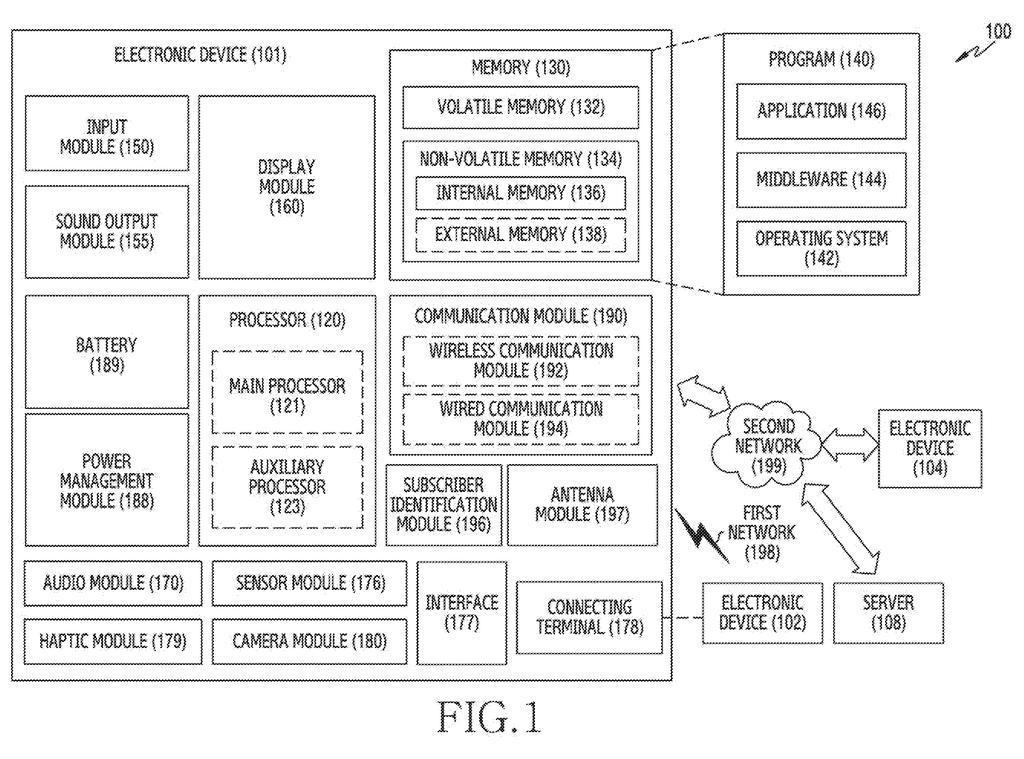
What Samsung's camera API bridge actually does for your apps
A phone opens its camera app. The app asks the phone for video, and the phone decides, in a split second, exactly how much of the camera's capability to share. That decision has real consequences: some apps get the full picture, others get a watered-down feed.
Samsung's filing describes a system that detects when a third-party app needs a richer video stream than its default software interface can deliver. When that happens, the phone switches to a more capable internal interface and then hands the resulting footage back to the app, as if nothing changed. You, as a user, never touch a setting.
The practical effect is that apps built on older or simpler camera frameworks could still get access to features like higher frame rates or specific sensor configurations, without the app developer having to rewrite anything for Samsung's proprietary stack.
request, based on a first camera identifier, initiating of an operation of the camera to acquire a first image stream from the second camera application; determine, based on first stream information related to the first image stream, whether to provide the first image stream using a camera function which is executed by invoking the first API; …
Translation: The system checks how an outside camera app is trying to access the phone hardware.
How the device picks which camera interface to invoke
The patent centers on a phone that runs two parallel camera software systems at once: a first API (an older or more limited interface that some apps use) and a second API (a more capable one, likely Samsung's own richer camera framework).
When a third-party app asks the camera to start recording, the system checks the properties of the requested video stream, things like resolution, format, or frame rate. If those properties can only be fully met by invoking the more powerful first API, the system does exactly that, even though the requesting app wasn't built to call that API directly.
Critically, the phone also swaps in a different camera identifier (essentially an internal label that tells the hardware which logical camera to open). The app asked for one camera ID; the system uses a different one under the hood to fulfill the request, then delivers the stream back to the app through its native interface.
- Third-party app requests a stream using its own API
- The phone checks whether that stream needs the richer API to be delivered correctly
- If yes, the phone opens the camera using its own internal ID and interface
- The resulting stream is packaged and sent back to the app as though it came through the app's own interface
What this means for camera apps on Samsung phones
For most people, this kind of filing shows up as a difference you feel but can't name: a video call app that suddenly handles low-light better, or a third-party camera app that stops dropping frames when you switch modes. The benefit is invisible by design.
For app developers, it matters more directly. Right now, squeezing the best performance out of a Samsung camera often means writing code specifically for Samsung's proprietary interface, which takes time and excludes apps that want to stay platform-neutral. Samsung has been filing around camera software architecture since at least 2024 If this system ships, developers could get better results on Samsung hardware without extra work, which is a real incentive for app makers to list Samsung devices as well-supported.
Samsung's 120th filing we've tracked in our camera sensor push since May builds on work like the shifted pixel read approach and the read error catch circuit.
Third-party camera apps on a Samsung phone would gain access to the same underlying hardware power that Samsung's own camera app already uses, without developers rewriting anything or users changing how they shoot.
Most people would feel this rather than see it: a photo taken through a favorite app looks sharper, or the camera responds faster when you tap the shutter. The problem it prevents is quiet but real, users paying for excellent camera hardware they can only fully reach through one specific app.
For anyone who sticks to the built-in camera, nothing changes. For anyone who has ever switched to another app and sensed something slightly off, this is a direct fix.
There are more where this came from
We read every patent application Big Tech publishes and send you the ones worth knowing. Plain English, free, every week.
The drawings
12 drawing sheets from US 2026/0281546 A1 · click any drawing to enlarge


Want this weekly breakdown for a company we don't cover? Patentlyze Pro →