
Samsung Patents a Dual-Metal Light Filter for More Precise Image Sensors
Samsung has patented a light filter built from two different metals, each tuned to capture a different slice of the color spectrum. The goal is more precise color separation inside image sensors, which is the hardware that turns raw light into the photo you see on your screen.
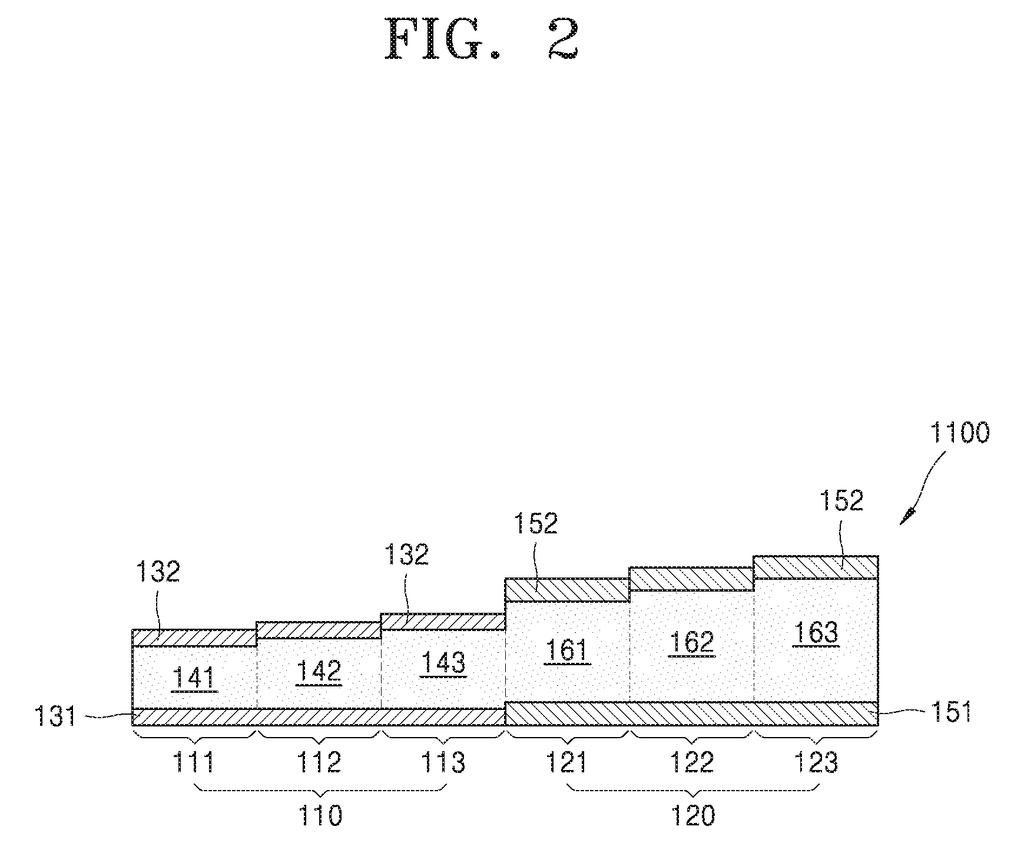
What Samsung's two-metal color filter actually does for photos
You're snapping a photo in mixed lighting, and your phone's camera has to figure out exactly which colors are hitting the sensor at any given moment. To do that well, it needs filters that are sharp and precise about which wavelengths of light they let through.
This Samsung patent describes a filter made of two separate "units," each built from a different metal. Each metal is especially good at reflecting a particular range of light. One unit handles one color range, the other handles a different one. By tuning each unit to the metal that works best for its job, the filter can capture color information more accurately than a design where every part is made of the same material.
The practical payoff shows up in things like color accuracy, night photography, and specialized sensors used in medical or scientific imaging. Better light filtering at the hardware level means the camera doesn't have to guess as much when it processes your photo.
two first metal reflective layers spaced apart from each other and comprising a first metal; and a first cavity between the two first metal reflective layers …
Translation: The filter uses parallel metal layers with a space between them.
How different metals split and trap specific light wavelengths
The patent describes a spectral filter, a component inside an image sensor that breaks incoming light into specific wavelength ranges (what we'd loosely call colors) before the sensor reads them.
The filter is made of two sub-units. Each sub-unit is a sandwich structure called a Fabry-Perot cavity (think of it as two mirrors with a gap between them: light bounces back and forth until only a very specific wavelength survives and passes through). The key innovation is that each sub-unit uses a different metal for its mirror layers:
- The first unit uses one metal and a cavity filled with a dielectric material (an electrically insulating substance), tuned to pass light at a specific center wavelength in one range.
- The second unit uses a different metal and its own cavity, tuned to a center wavelength in a separate range.
The refractive index of the dielectric fill (how much the material bends light) is matched to the target wavelength of that particular unit. This means each sub-unit is independently optimized, rather than forcing a single material to compromise across both ranges.
Why different metals? Different metals have different optical properties: how much they absorb versus reflect light changes across the spectrum. By matching metal to wavelength range, Samsung's design reduces unwanted absorption and keeps the filter's response sharp.
… a second unit filter having a second center wavelength in a second wavelength range …
Translation: A second filter section targets a different range of light wavelengths.
What sharper spectral filtering means for your camera photos
For most people, the payoff from better spectral filtering shows up in color accuracy: skin tones that don't look washed out, skies that hold their blue instead of drifting toward gray, and low-light shots that keep more detail. The camera hardware is doing a cleaner job separating colors before the software even gets involved.
Beyond consumer cameras, this kind of filter matters a lot in sensors used for health monitoring, scientific imaging, and industrial inspection, where hitting the wrong wavelength means a missed reading, not just a slightly off photo. Samsung's interest in advanced image sensor components shows up here: tighter spectral control at the hardware layer is a building block for sensors that go well beyond photography.
Samsung's 137th filing we've tracked since May in our camera sensor push watchlist builds on automatic pixel correction and AI-guided object removal to refine how cameras handle image data.
Samsung's patent addresses a quiet but real problem: camera sensors that read color slightly wrong in mixed or unusual lighting, making a white shirt look faintly blue or a sunset look muddier than it was. By using two different metals in the filter layers instead of one, the design can tune different parts of the color spectrum more precisely and independently.
Most people notice this failure only in retrospect, flipping back to a photo and feeling like something is slightly off without being able to name it. A filter built this way reduces that specific disappointment.
Getting two metals into a single filter stack adds manufacturing steps, so the path from patent to shipping phone is not automatic. But the problem it solves is genuine and the fix is targeted, which makes it a more promising candidate than a speculative one.
There are more where this came from
We read every patent application Big Tech publishes and send you the ones worth knowing. Plain English, free, every week.
The drawings
38 drawing sheets from US 2026/0287806 A1 · click any drawing to enlarge


Want this weekly breakdown for a company we don't cover? Patentlyze Pro →
Be the first to weigh in