
Under-Display Camera Clarity Gets a Structural Fix
Every phone maker wants a true full-screen display with no notch or hole-punch — but hiding a camera behind a screen without ruining either the photo or the picture has been maddeningly difficult. Samsung's latest patent describes a structural fix aimed squarely at that problem.
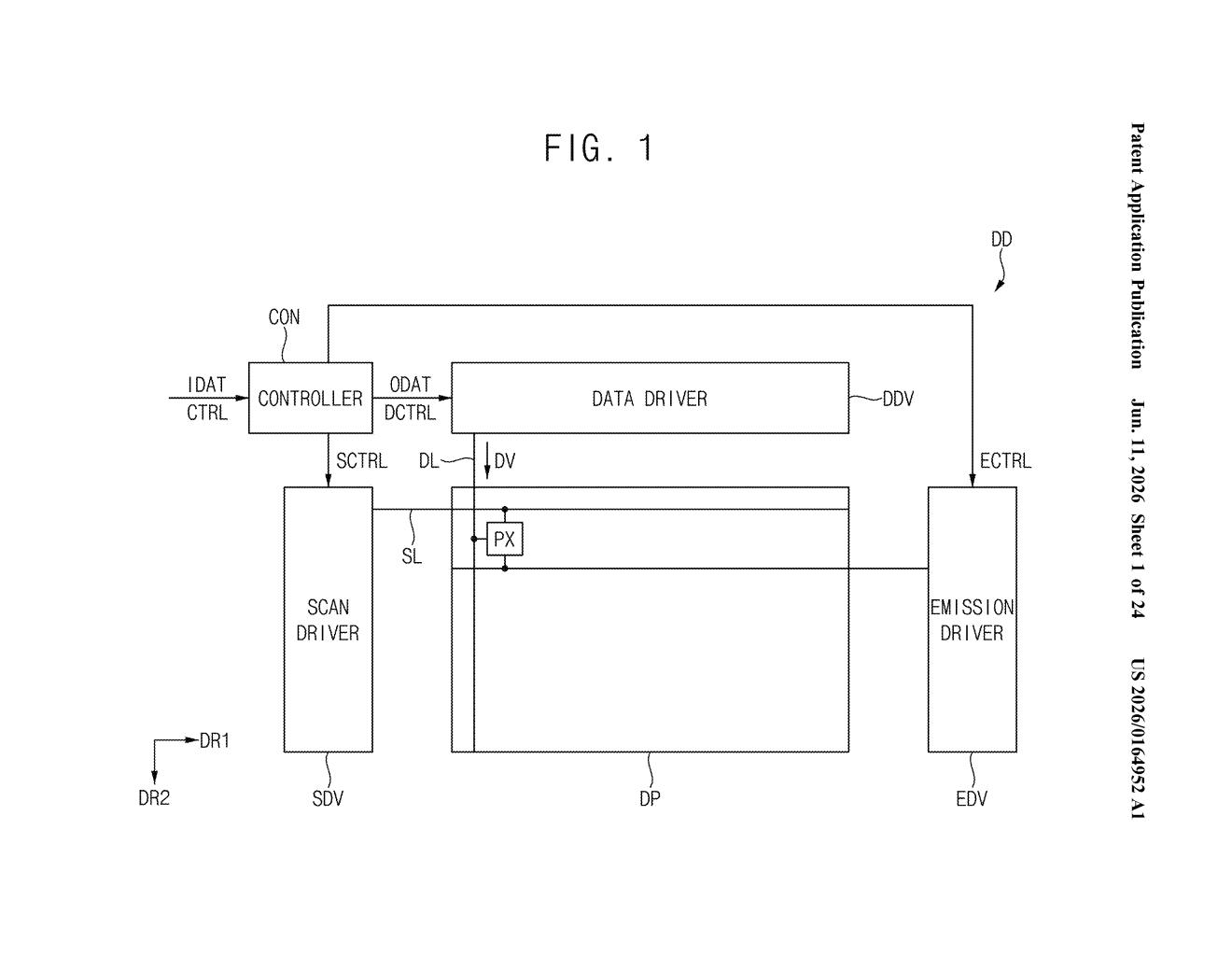
What Samsung's under-screen camera fix actually does
Imagine you want a phone screen with no interruptions — no notch, no punch-hole, just edge-to-edge display. The camera still has to live somewhere, so engineers hide it underneath the screen itself. The catch: the screen material above the camera scatters light, making photos look hazy and dim compared to a normal lens.
Samsung's patent describes a way to build the display so the area directly above the camera lets through as much light as possible, while the pixels right next to it still look normal. It does this by carefully controlling how the layers of the screen are etched and stacked — essentially carving out tiny gaps in the right places so light can travel cleanly to the camera without messing up the display above.
The result, if it works as intended, is a full-screen panel where the under-display camera performs noticeably better than today's versions, which often produce softer, lower-contrast shots compared to conventional front cameras.
How the etch-stop layer and dummy holes preserve image clarity
The patent covers a display panel divided into two zones: a main display area where normal pixels live, and a transmission area — the see-through zone positioned over an under-screen camera or light sensor.
The clever part is a structural layer called a first etch stop layer. In semiconductor manufacturing, an etch stop is a material that tells the etching process exactly where to quit removing material — think of it as a floor that protects everything beneath it. Samsung places this layer precisely in the pixel area adjacent to the transmission zone, controlling the depth and shape of the layers above it with high accuracy.
On top of that, the patent introduces what it calls "dummy holes" — small openings cut into the insulating layer that sits above the pixel electrodes. These holes don't carry electricity; their job is purely structural. By exposing the surface of the etch stop layer through these holes, the design relieves mechanical stress that would otherwise build up during manufacturing and potentially cause the overlying layers to deform or scatter light unevenly.
- The etch stop layer controls layer thickness near the transparent zone
- Dummy holes reduce stress-induced warping in the insulator
- The pixel electrode and light-emitting layers remain electrically functional despite the openings
- The transmission area stays as optically clear as possible for the camera beneath
What this means for full-screen phones and foldables
Under-display cameras have been on Samsung Galaxy Z Fold devices for several generations, but reviewers consistently note that their photo quality lags behind the hole-punch cameras on standard Galaxy S phones. The core reason is optical: more material between the lens and the outside world means more light scatter. This patent addresses that at the fabrication level, not just through software post-processing, which is how most manufacturers currently compensate.
For you as a consumer, a working version of this could mean a foldable or flagship phone with a genuinely usable front camera hidden behind the screen — no compromise on selfie quality, no visual interruption on the display. It also has implications for smart glasses or AR headsets where forward-facing cameras need to sit behind a display layer without creating obvious dead zones.
This is exactly the kind of unglamorous materials-engineering work that actually moves under-display camera quality forward. Samsung has shipped the feature commercially longer than anyone, so this patent reflects real manufacturing experience, not blue-sky research. Whether it ships as described is another question, but the problem it solves is real and the approach is grounded.
There are more where this came from
We read every patent application Big Tech publishes and send you the ones worth knowing. Plain English, free, every week.
Want this weekly breakdown for a company we don't cover? Patentlyze Pro →