
IBM Patents a System That Watches Your App Habits and Warns You When They Turn Unhealthy
IBM wants your phone to notice when you've fallen into a bad scrolling spiral and tell you about it. The patent describes a system that watches which apps you use, what content you consume, and how you interact with it, then flags when the pattern looks unhealthy.
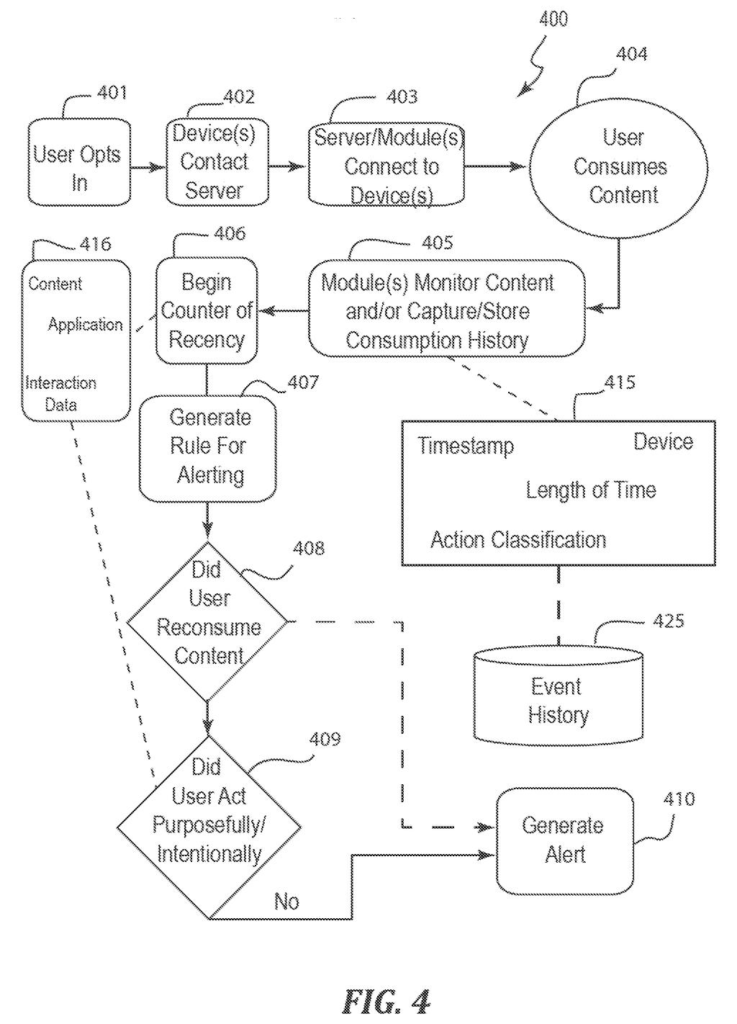
What IBM's attention-pattern monitor actually tracks
Imagine you open a news app, fall into an anxious rabbit hole of doom-scrolling, and spend the next 45 minutes bouncing between apps without really meaning to. Your phone sees all of that but, right now, mostly stays quiet.
IBM's patent describes a system that would change that. When you open an app, a monitoring window starts. The system watches what content you read or watch, which apps you bounce between, and how you tap and scroll through them. It then checks whether that pattern matches what it calls a negative attention pattern, a sign that your usage has tipped from purposeful into something more compulsive or distressing.
If it spots a problem, it sends you an alert. Think of it like a fitness tracker that watches your heart rate, except instead of your pulse, it's watching your scrolling habits. The goal is to give you a nudge before the habit gets worse.
How the system detects and scores a negative pattern
The system works in three stages: detection, monitoring, and evaluation.
Detection kicks off when you interact with any app on a covered device. That single tap or swipe starts a monitoring window, a defined stretch of time during which the system pays close attention.
During monitoring, the system tracks three things at once:
- The actual content you are consuming (articles, videos, social feeds)
- Which applications you are using and in what order
- Your interaction data, meaning how you tap, scroll, and switch between apps
The evaluation step is where the system compares everything it observed against a model of what a "negative attention pattern" looks like. The patent does not prescribe a single fixed definition, which leaves room for the pattern to be personalized or context-dependent. When the evaluation determines a negative pattern is present, the system fires an alert to the user.
The claim covers the full pipeline across "one or more electronic devices," so the monitoring could span a phone, a tablet, and a laptop simultaneously, treating them as a single behavioral picture rather than separate sessions.
What this means for digital-wellness tools
Digital-wellness features already exist on iOS and Android (Screen Time, Digital Wellbeing), but they mostly count time. IBM's framing goes further: it looks at the quality of attention, not just the quantity. A two-hour focused reading session and a two-hour anxious news spiral look identical to a timer but very different to this kind of behavioral model.
For enterprise and productivity software, where IBM plays most actively, this kind of monitoring could appear in workplace tools to flag when an employee's usage patterns suggest distraction or stress. That raises real privacy questions worth watching, but it also points to a category of workplace-wellness tooling that currently has almost no automated feedback layer.
This is a sensible, focused patent in a space that genuinely needs better tools. Screen-time timers are blunt instruments, and IBM's behavioral-pattern framing is a real step up. The bigger question is who controls the definition of "negative" and whether an employer version of this tool would actually help workers or just surveil them.
There are more where this came from
We read every patent application Big Tech publishes and send you the ones worth knowing. Plain English, free, every week.
The drawings
4 drawing sheets from US 2026/0221021 A1 · click any drawing to enlarge


Want this weekly breakdown for a company we don't cover? Patentlyze Pro →