
Samsung Patents a System That Decides How Much of Your Device Data Gets Sent to Its Servers
Every time your Samsung device does something worth logging, this patent decides whether to send the full report or just a summary, based on how important that event actually is.
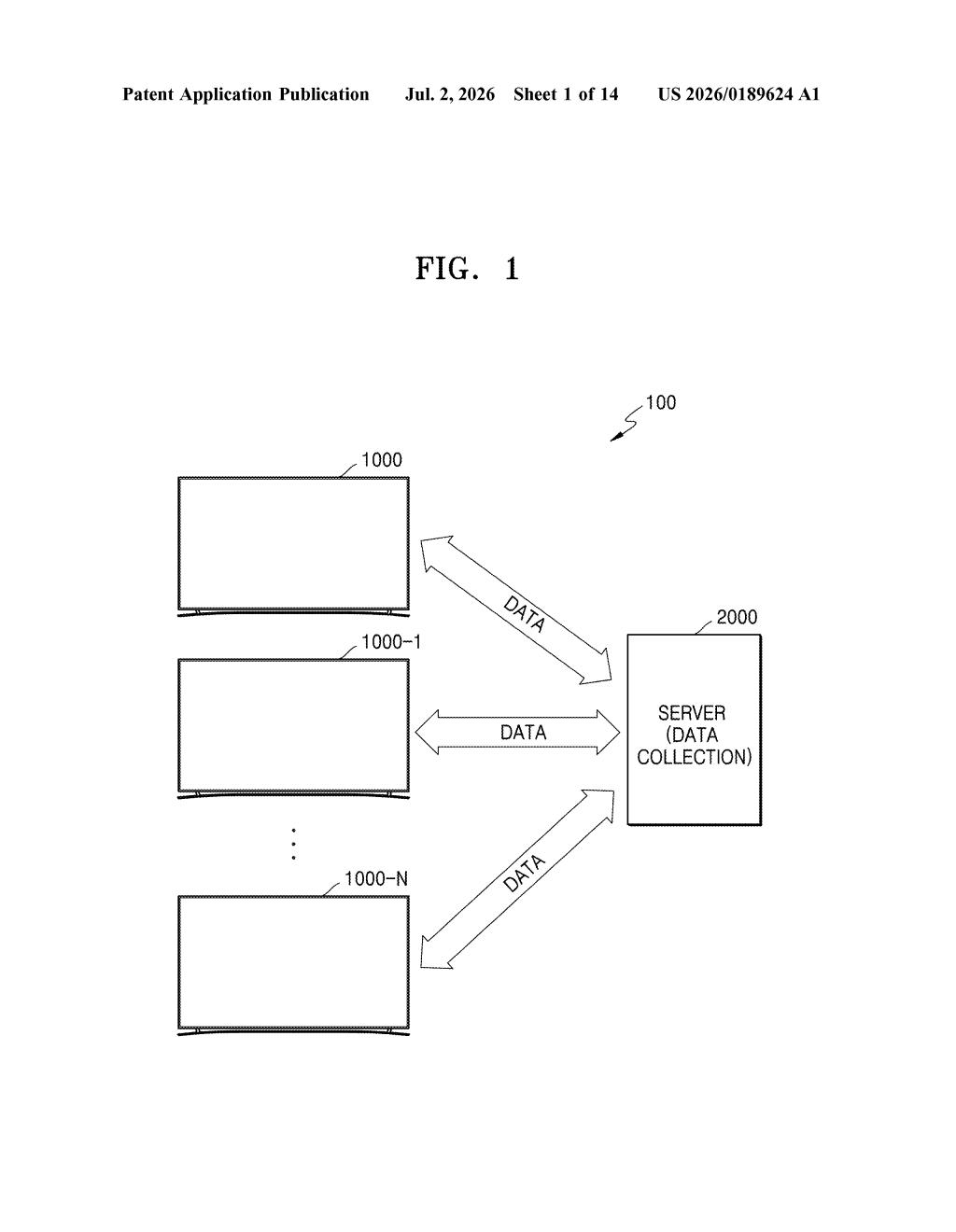
How Samsung's importance-based data filter works
Imagine your phone keeps a running log of everything it does: app crashes, sensor readings, battery events. Right now, devices often just send all of that raw data to a company's servers. This patent describes a way to be more selective.
When something happens on your device, the system looks at what kind of event it was and checks it against a built-in ranking system. High-importance events get more of their data sent through. Low-importance events get trimmed down before anything leaves your device.
The practical result is that your device sends less unnecessary information on routine events while still giving Samsung's servers the full picture when something genuinely important happens, like a significant error or a security-related trigger.
How the device scores and trims each data block
When an operation event occurs (a crash, a system alert, a sensor reading, or similar), the device packages the related data into a structured data block.
That data block is then compared against a database of data patterns, each of which has a pre-assigned importance level. Think of it like a lookup table: the device recognizes the pattern of the event and retrieves the corresponding importance score.
Based on that importance level, the system applies a data collection range, essentially a rule that says how much of the data block is worth transmitting. A high-importance event might trigger a full upload; a low-importance one might send only a small summary slice.
- Event triggers data collection
- Data packaged into a block
- Block pattern matched against an importance database
- Importance level determines how much data is selected
- Only the selected portion is transmitted to the server
What this means for device privacy and data costs
For Samsung, this is primarily about efficiency: sending less data means lower bandwidth costs and less server storage, especially across hundreds of millions of active devices. Devices on limited data plans or slow connections also benefit from not constantly pushing large diagnostic payloads.
For users, the framing is more about data minimization. A system that filters out low-stakes device events before they leave your phone sends less information overall, which at least reduces the volume of routine telemetry going to external servers. Whether that translates into a meaningful privacy gain depends entirely on how Samsung defines "importance" in that database, which the patent does not spell out.
This is a practical housekeeping patent, not a headline product feature. Samsung is essentially building a smarter telemetry filter so its servers aren't flooded with low-value device logs. It matters for engineers managing fleet diagnostics at scale, but it's unlikely to change anything a Samsung phone owner would ever notice.
Get our take in your Top Stories
Liked this breakdown? Add Patentlyze as a preferred source on Google, and our plain-English take shows up more often in your Top Stories the next time Samsung patent news breaks.
There are more where this came from
We read every patent application Big Tech publishes and send you the ones worth knowing. Plain English, free, every week.
Want this weekly breakdown for a company we don't cover? Patentlyze Pro →