
Qualcomm Patents a System for Self-Driving Cars to Warn Human Drivers of Their Next Move
Self-driving cars are notoriously hard for human drivers to read. Qualcomm's new patent describes a way for autonomous vehicles to broadcast their planned moves directly to nearby human drivers before those moves happen.
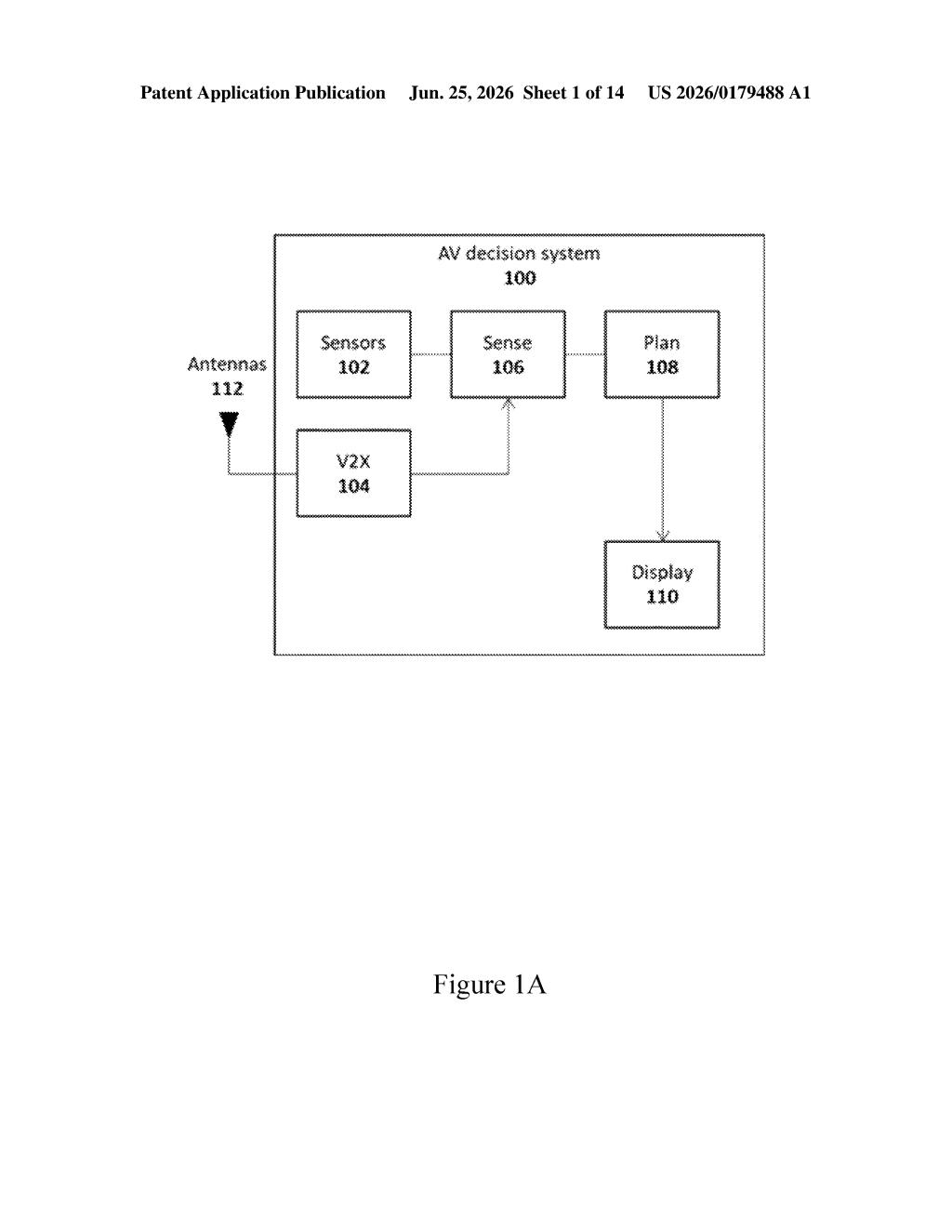
What Qualcomm's autonomous vehicle warning system actually does
Imagine you're driving on a highway and a self-driving car is merging into your lane. Right now, you have no idea what it's about to do until it does it, just like guessing what another person might do but without even eye contact or a hand wave.
Qualcomm's patent describes a system where the self-driving car sends a message to nearby human-driven vehicles before it acts. The message tells those drivers what the car is planning, say, a lane change or a turn, so they can adjust accordingly. It's a bit like a polite driver giving you a heads-up instead of just going for it.
Crucially, the system can tailor the notification to each nearby driver separately, giving each one the information most relevant to their position. The goal is smoother coordination on roads where self-driving cars share space with regular human-driven ones.
How the AV builds and sends its coordination messages
The patent describes an onboard system inside an autonomous vehicle (AV) that monitors other road users, including nearby human-driven cars, cyclists, or pedestrians. Based on what it detects, the AV assembles a notification message that includes two things: the planned action the AV is about to take, and specific coordination information for each nearby road user.
That second part is important. The system can send different versions of the notification to different people depending on their position and relationship to the planned maneuver. A car directly behind the AV might get a different message than one in the adjacent lane.
The messages are transmitted wirelessly via the AV's onboard transceiver. The patent doesn't specify a single radio technology, but the most likely candidates are V2X (vehicle-to-everything) protocols, which are dedicated short-range wireless standards already used in some road safety systems, similar to how Wi-Fi works but designed for cars talking to each other.
The claim is broad: the system covers any non-autonomous road user who might need to coordinate with the AV's next action.
What this means for mixing AVs and human drivers on the road
One of the biggest friction points in deploying self-driving cars at scale is that human drivers don't know how to behave around them. AVs follow rules precisely but communicate nothing, creating uncertainty that leads to hesitation, near-misses, and road rage.
If this system works as described, it could reduce that friction significantly. You wouldn't have to guess what the self-driving car next to you is about to do, because it would tell you. For Qualcomm, which makes wireless chips and modems used in connected vehicles, this kind of V2X coordination technology fits squarely into its existing automotive business and could become a standard feature in AV platforms built on its hardware.
This is a genuinely useful idea that addresses a real, under-discussed problem with autonomous vehicles. The patent is broad and fairly abstract, but the core concept, having AVs proactively communicate intent to human drivers, is practical and fills a gap that current AV designs mostly ignore. Whether Qualcomm ships this or licenses the concept, it's worth watching.
There are more where this came from
We read every patent application Big Tech publishes and send you the ones worth knowing. Plain English, free, every week.
Want this weekly breakdown for a company we don't cover? Patentlyze Pro →