
Qualcomm Patents a Two-Brain Route-Planning System for Self-Driving Cars
What if your car's autopilot ran two separate route-planning systems at once, then had a referee pick the best ideas and a safety inspector veto the dangerous ones? That's the setup Qualcomm just filed a patent for.
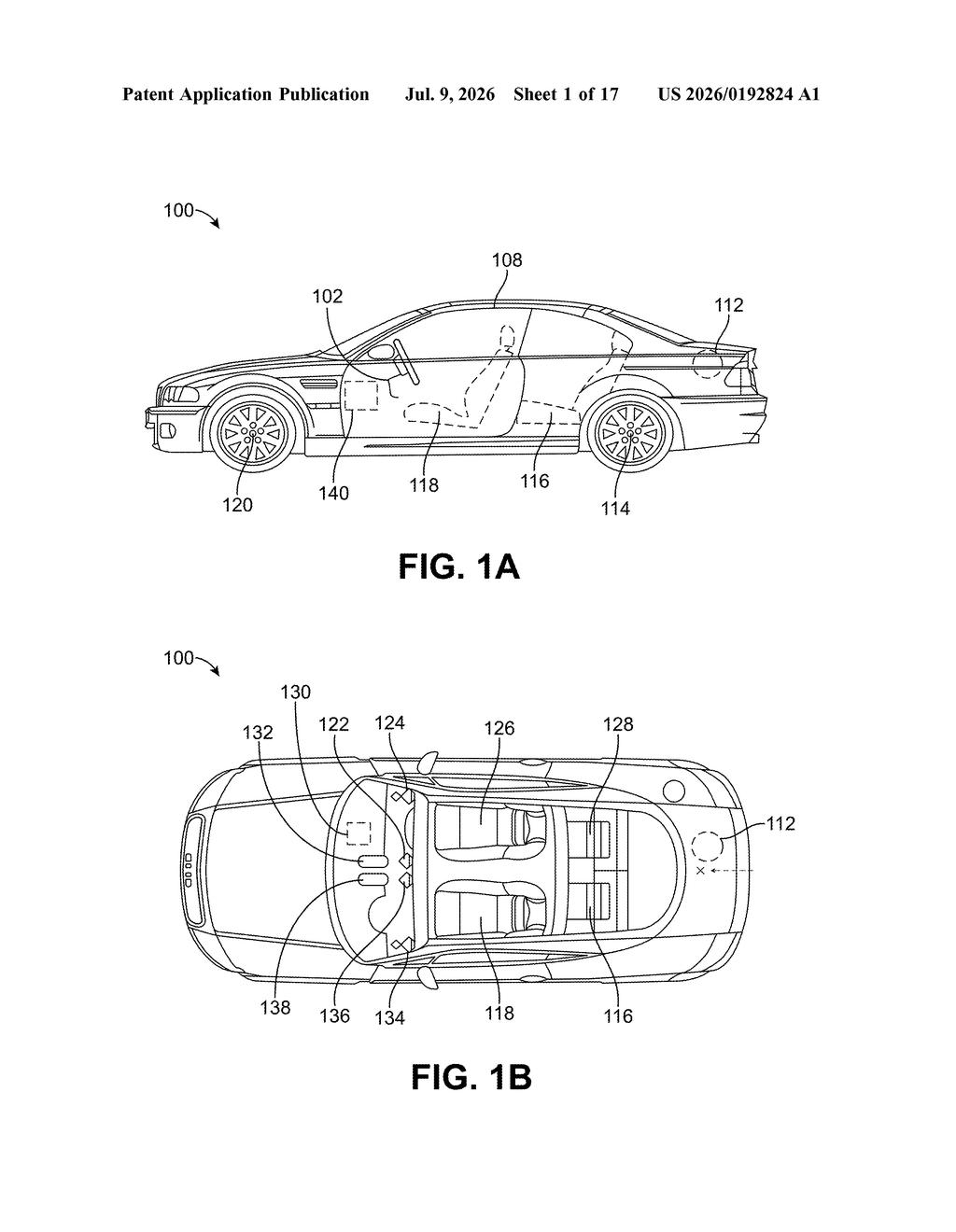
What Qualcomm's two-model driving planner actually does
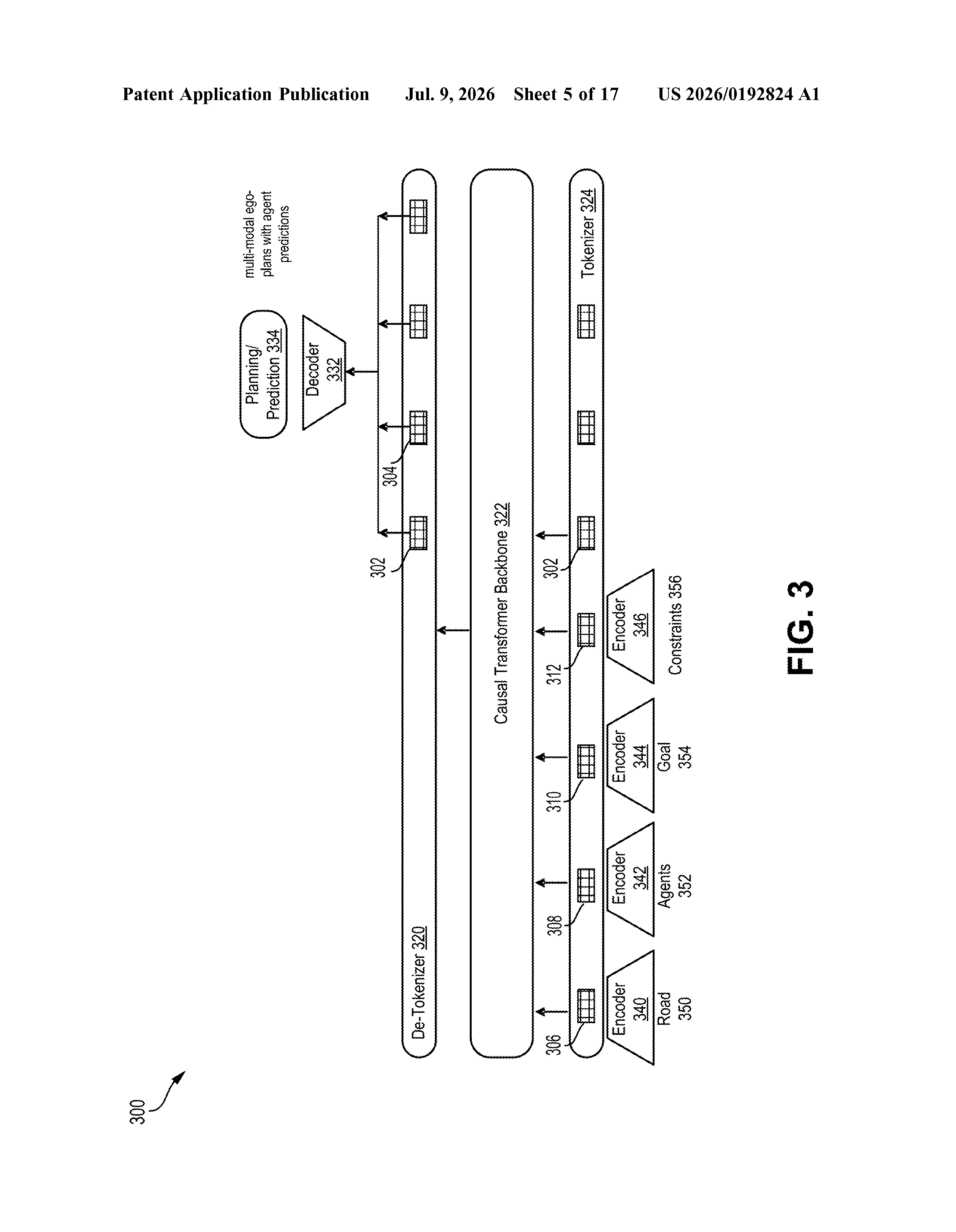
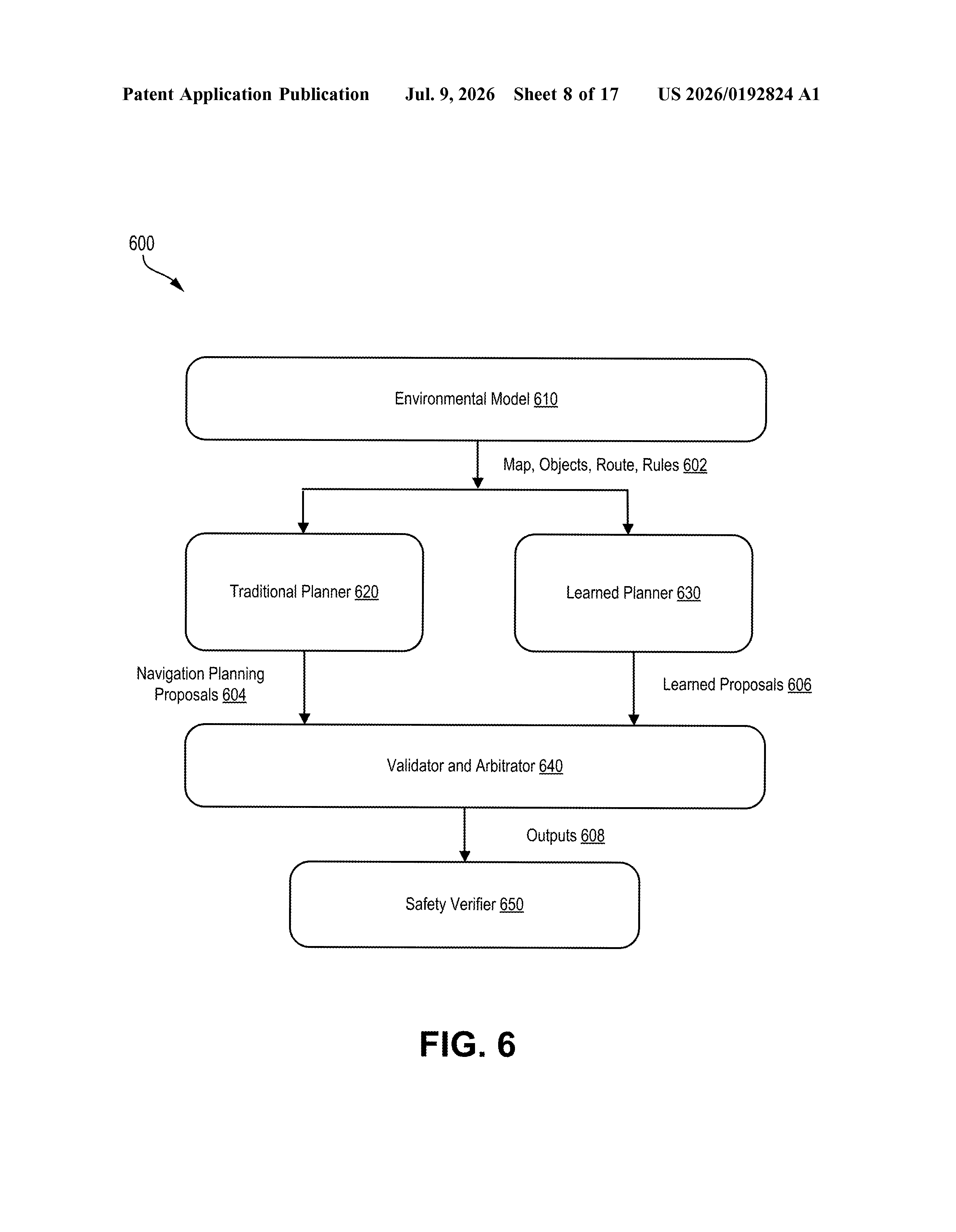
Imagine two co-pilots in a cockpit, each watching the same road and suggesting how to drive it. One uses a traditional, rule-based approach; the other is an AI that learned from real driving data. Your car listens to both, then has a third system pick the most promising suggestions from the combined list before passing those on to a dedicated safety checker that removes anything risky.
That final survivor becomes the navigation plan your car actually follows. The idea is that no single planning approach is perfect, so running two in parallel and filtering the results should catch more mistakes than trusting just one.
Qualcomm is the chip company that already powers the infotainment and driver-assistance systems in many cars today. This filing suggests they're working on the deeper "brain" layer that decides where and how a vehicle moves, not just what it displays on the dashboard.
How the dual planners and safety filter pick a route
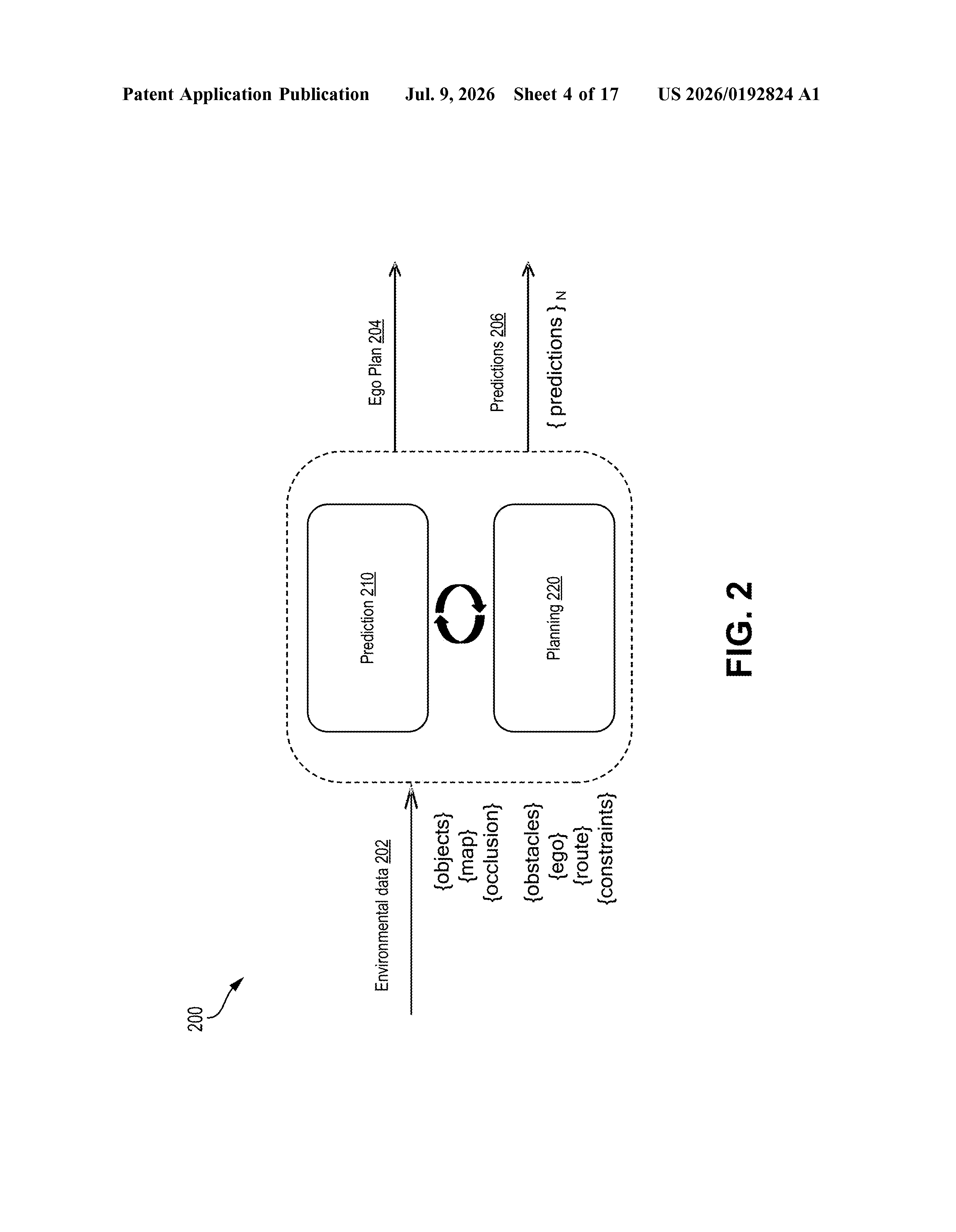
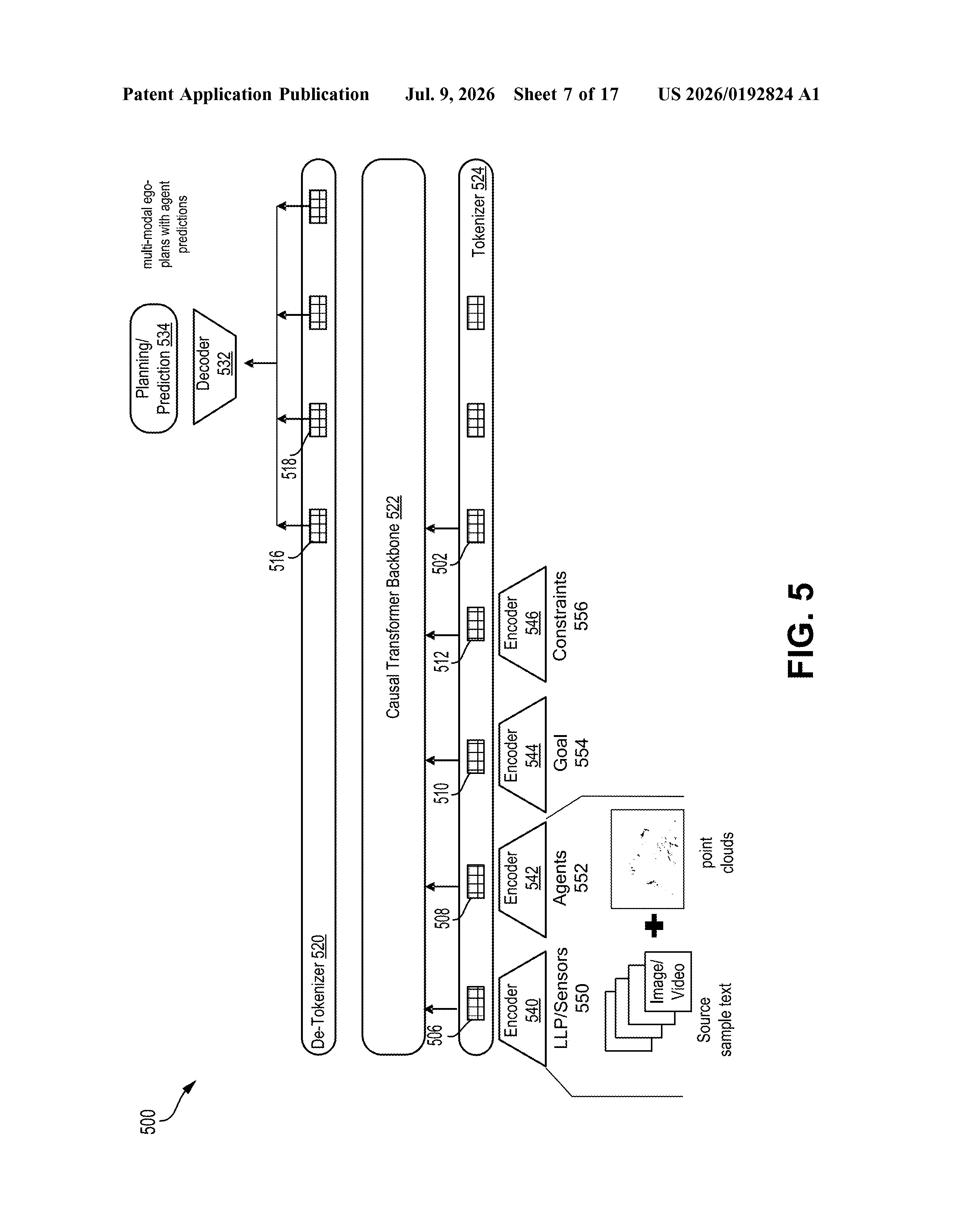
The patent describes a processor that runs two distinct planning models simultaneously, each taking in the same snapshot of the car's environment: nearby objects, map data, the planned route, and local traffic rules.
- The first planning model is a conventional planner, likely rule-based or search-driven, the kind that follows explicit logic trees.
- The second planning model is a trained model, meaning a neural network that learned driving behavior from large datasets rather than hand-coded rules.
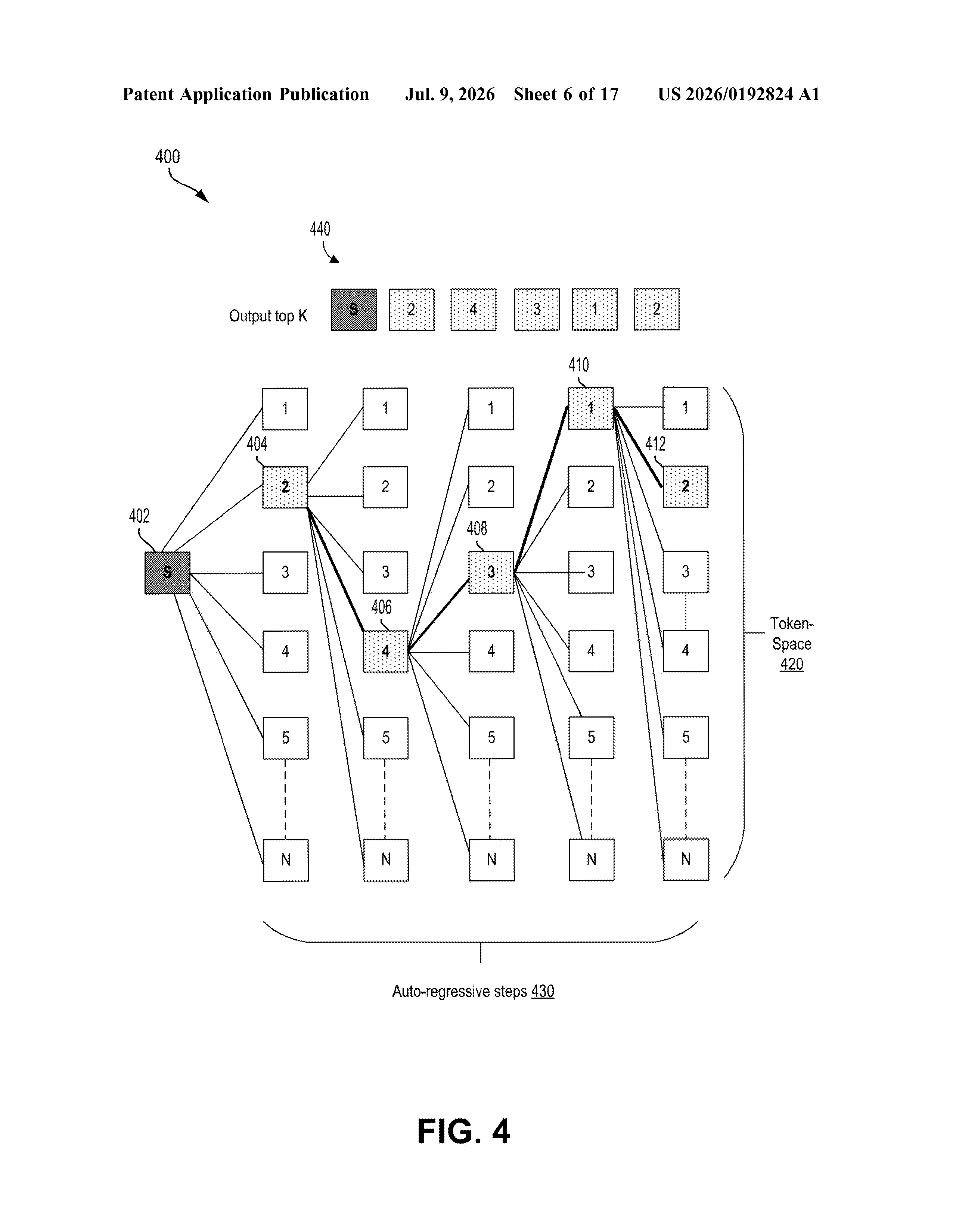
- An additional model (essentially a ranker or selector) takes all the candidate routes from both planners and narrows them down to a shorter list of the most viable options.
- A safety verifier then screens that shortlist, discarding any plan that violates safety constraints, and delivers the final navigation plan.
The processor then uses that approved plan to adjust the vehicle's actual behavior: speed, steering, braking and so on. The architecture is deliberately layered so that bad plans have multiple chances to be caught before they reach the wheels.
What this means for the future of Qualcomm's auto chips
For self-driving technology, the hardest problem isn't sensing the world around the car; it's deciding what to do about it quickly and safely. A system that cross-checks two different types of planners and then adds a formal safety filter is a direct attempt to address the brittleness that single-model autonomous systems can show in unusual situations.
Qualcomm is already a major supplier of automotive chips (its Snapdragon Ride platform is in production vehicles), so a patent like this signals that the company wants to move up the stack from hardware into the core decision-making software that automakers and robotaxi companies compete on. If this approach ships, it could influence how Qualcomm pitches its next generation of driving platforms to car manufacturers.
This is a technically credible architecture, and the multi-model-plus-safety-verifier pattern is the direction serious autonomous driving research has been heading. For Qualcomm, the strategic play is clear: owning the planning layer is far more valuable than selling chips alone, so this filing is worth watching as a signal of where their automotive ambitions are going.
Get our take in your Top Stories
Liked this breakdown? Add Patentlyze as a preferred source on Google, and our plain-English take shows up more often in your Top Stories the next time Qualcomm patent news breaks.
There are more where this came from
We read every patent application Big Tech publishes and send you the ones worth knowing. Plain English, free, every week.
The drawings
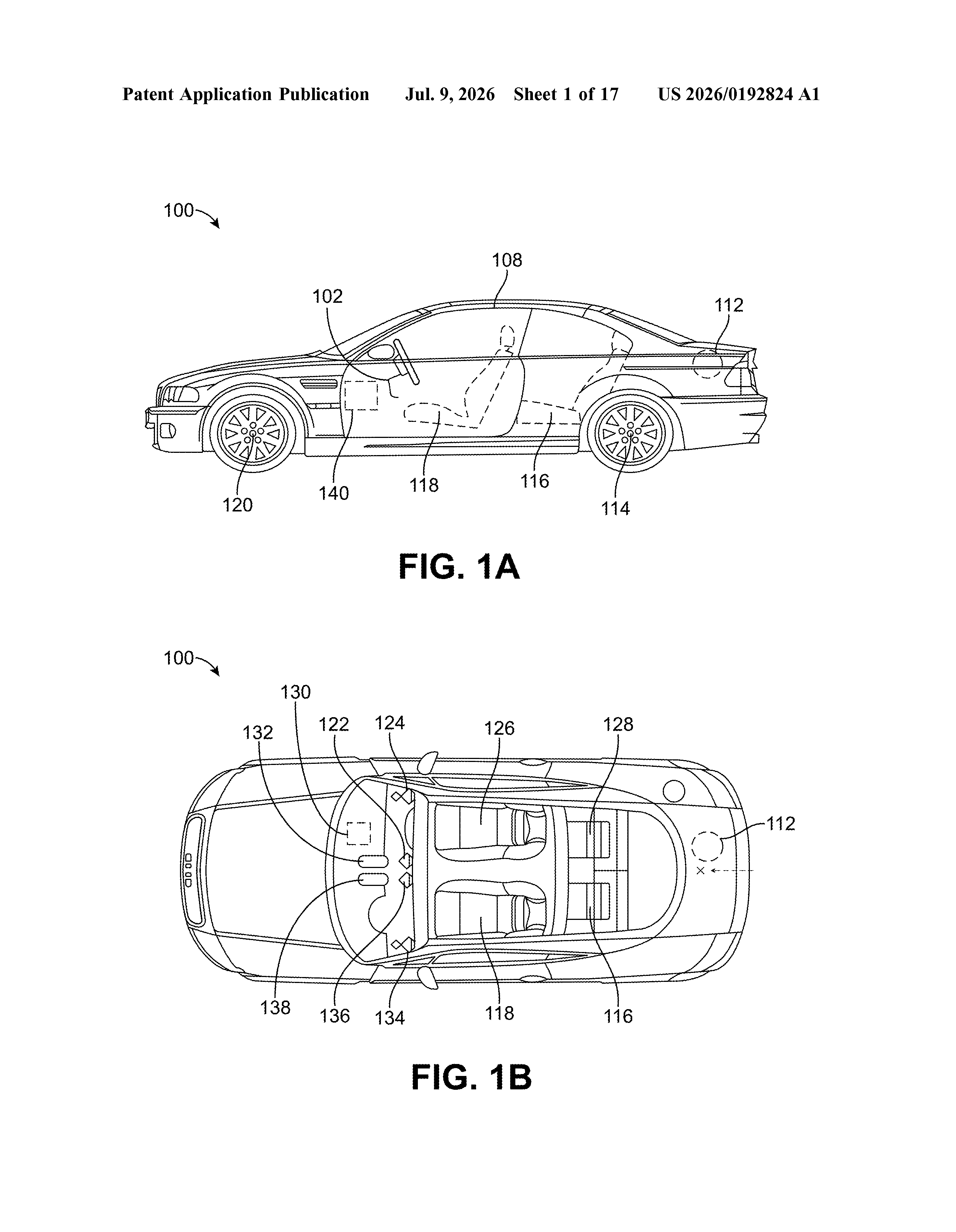
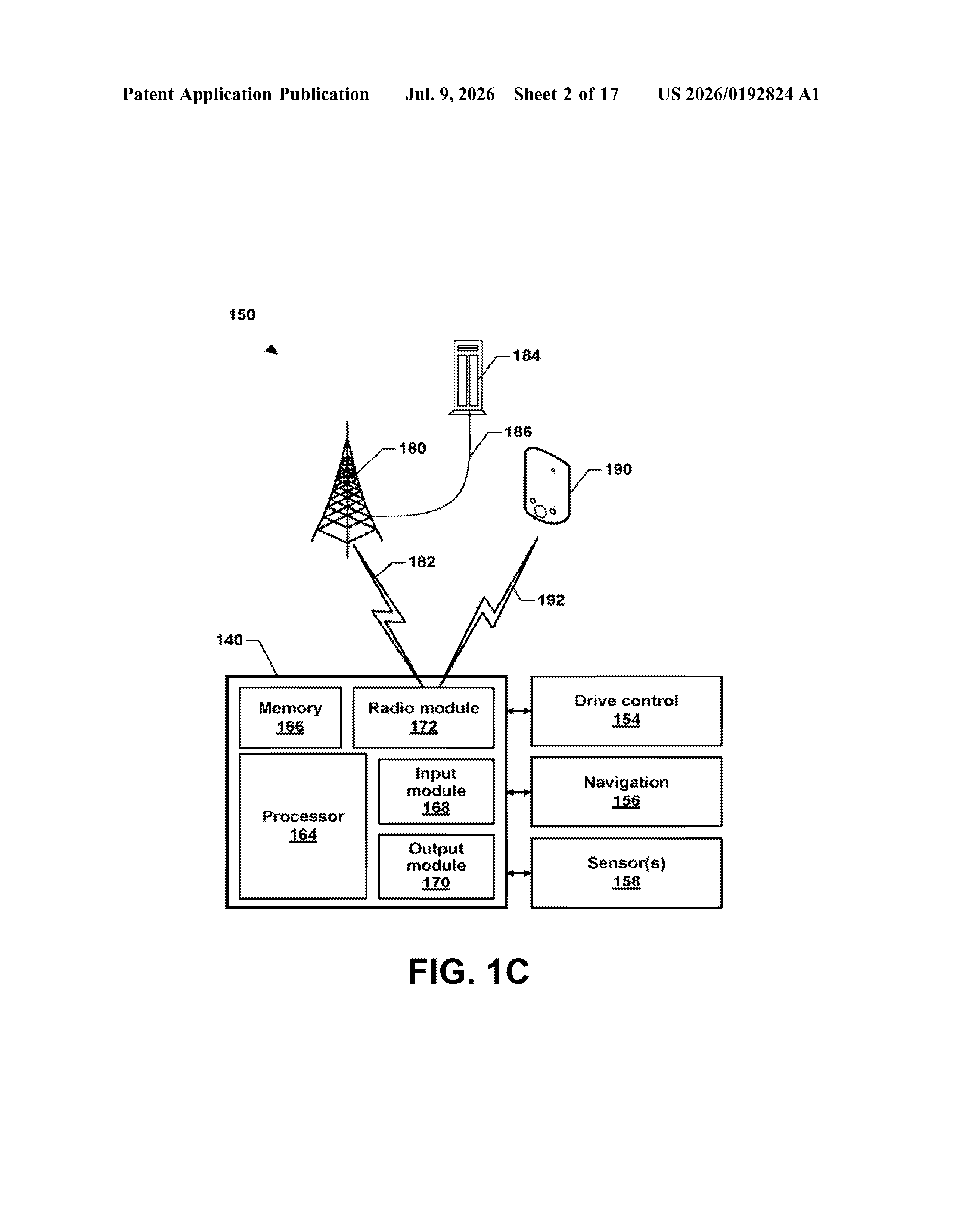
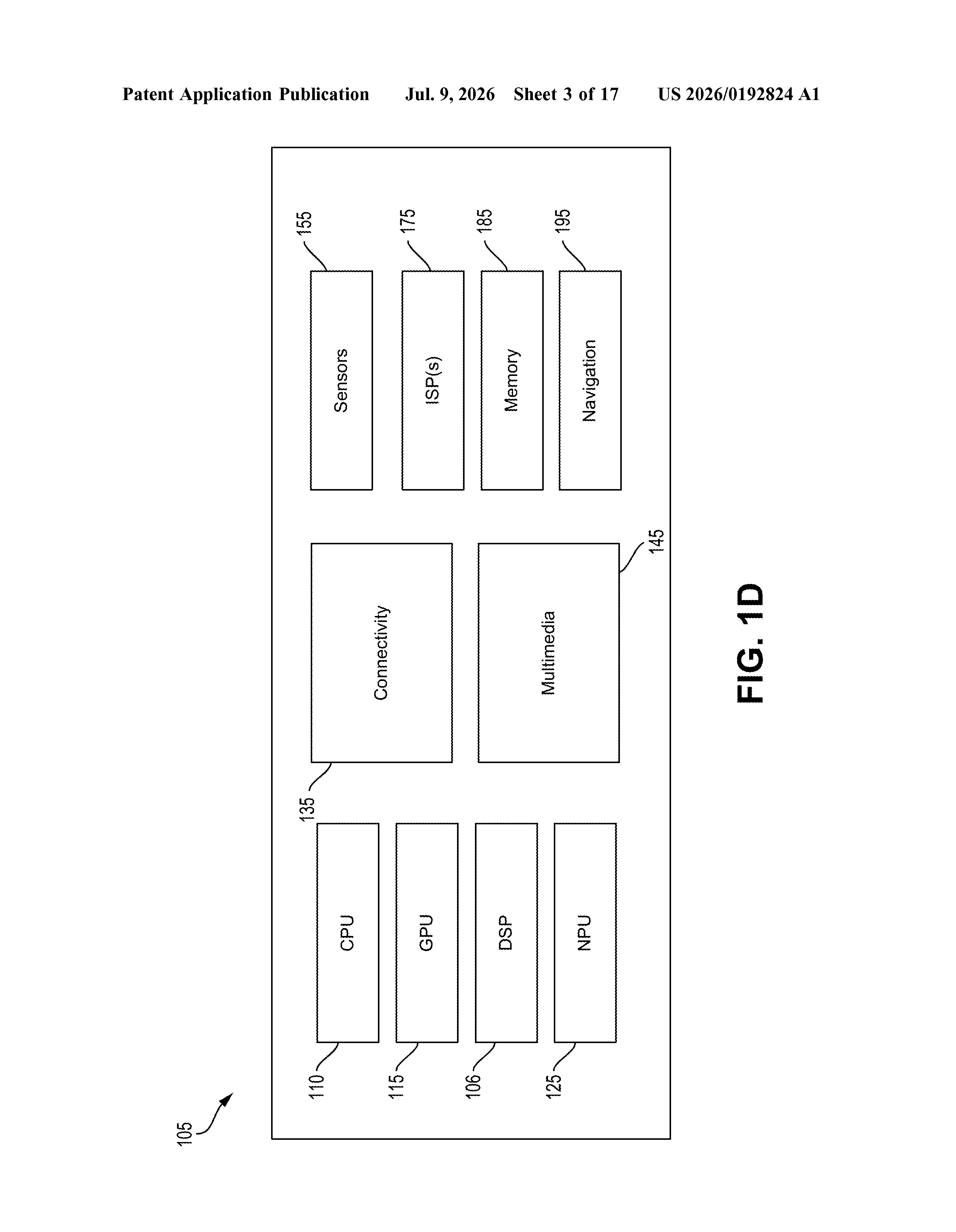
17 drawing sheets from US 2026/0192824 A1 · click any drawing to enlarge
Want this weekly breakdown for a company we don't cover? Patentlyze Pro →