
Sony's New Patent Gives Game Characters Skin That Actually Absorbs Light
Human skin doesn't just reflect light off its surface, it lets some light in, bounces it around beneath the skin, and sends it back out with a warm, lifelike glow. Sony has filed a patent for a rendering system that handles those two things separately, which is the key to making characters look real rather than plastic.
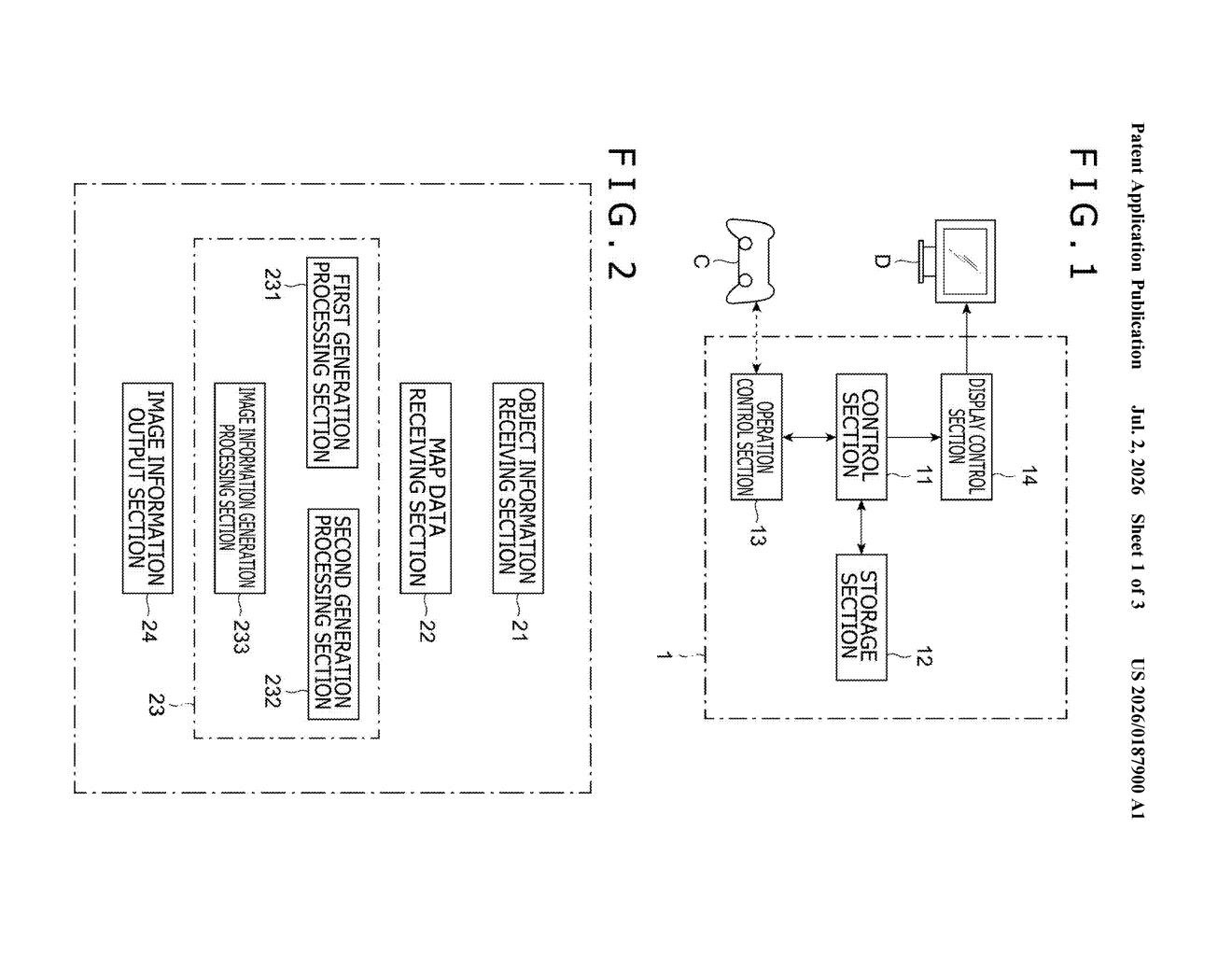
How Sony's layered light rendering works in games
Think about why a candle held behind someone's hand makes the skin glow red. Light is passing through the skin, scattering around inside, and coming back out tinted by what's underneath. Game engines have long struggled to replicate that convincingly without huge computing costs.
Sony's patent describes a system that uses two separate sets of material data for any object: one for the outer surface and one for the layers underneath. The outer layer handles the light that bounces straight off, like the sheen on a jacket or a forehead. The inner layer handles light that slips inside and scatters around before coming back out, giving skin, wax, marble, and leaves that characteristic soft glow.
The two results are then blended together into a final image. By keeping the calculations separate and feeding each one its own dedicated data, the system can produce more physically accurate results without forcing artists to manually fake the effect with clever texture tricks.
How Sony splits surface and inner-layer light calculations
The patent describes an image processing apparatus (in practice, a rendering pipeline running on a processor) that accepts two distinct types of input data for a single object:
- First map data: describes the object's outer surface, governing how light reflects off it directly.
- Second map data: describes one or more inner layers, governing how light penetrates the surface, travels through those layers, and scatters before exiting.
Using the first map, the system generates surface layer image information, essentially the direct reflection component. Using the second map, it generates inner layer image information, the component that captures subsurface scattering (the physical phenomenon where light diffuses inside translucent materials like skin, wax, or milk).
The two outputs are then combined in an image information generation process to produce the final rendered appearance. The separation is the key idea: rather than approximating both effects with a single blended shader (a common real-time shortcut), the patent proposes treating them as distinct computation passes driven by distinct input data. The claim is broad enough to cover multiple inner layers, meaning a character model could theoretically have separate data for dermis, epidermis, and fat tissue.
What this means for PlayStation game graphics
Subsurface scattering is the single biggest visual gap between a character who looks alive and one who looks like a plastic action figure. Film VFX studios have used physically accurate scattering for years, but real-time game engines typically approximate it with cheaper tricks that break down under dynamic lighting. A structured, data-driven approach like Sony's could let PlayStation titles hit film-quality skin rendering inside the game loop, not just in pre-rendered cutscenes.
For you as a player, the practical payoff would be characters whose faces react to light the way real faces do: ears that glow pinkish-red in sunlight, skin that looks subtly different under fluorescent versus warm light. The patent also applies to any translucent material, so marble floors, candles, foliage, and food could all benefit from the same pipeline.
This is a technically solid rendering patent targeting a well-known problem in real-time graphics, and Sony filing it under PlayStation's development arm suggests it's aimed squarely at next-generation console hardware. It's not a shocking idea in isolation (subsurface scattering is a decades-old concept in computer graphics), but formalizing a two-map, two-pass pipeline in a patent signals that Sony may be building dedicated hardware or API support around it rather than leaving it to developers to approximate.
Get our take in your Top Stories
Liked this breakdown? Add Patentlyze as a preferred source on Google, and our plain-English take shows up more often in your Top Stories the next time Sony patent news breaks.
There are more where this came from
We read every patent application Big Tech publishes and send you the ones worth knowing. Plain English, free, every week.
Want this weekly breakdown for a company we don't cover? Patentlyze Pro →