
Sony Patent Brings Real-Time Emergency Vehicle Alerts to In-Car Navigation Systems
You're driving with your GPS on and an ambulance is racing toward your street two blocks away, Sony's new patent is designed to warn you before you even hear the siren.
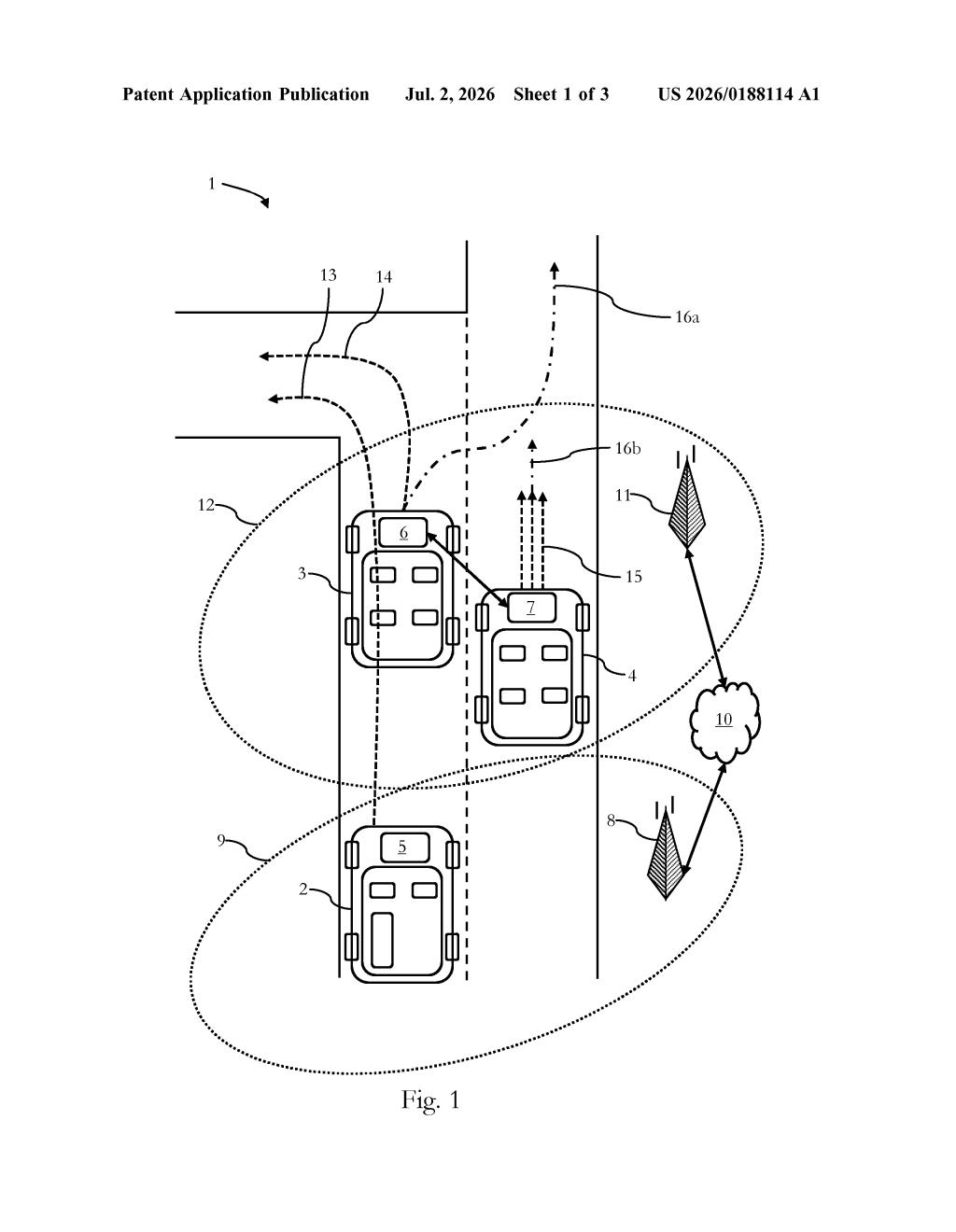
What Sony's emergency vehicle alert system actually does
Picture this: an ambulance leaves a hospital and needs to reach an address across town as fast as possible. Right now, most drivers only find out about that ambulance when they see its lights or hear its siren, often too late to get out of the way smoothly.
Sony's patent describes a system where the ambulance's own navigation device figures out its planned route and then sends a digital alert to the navigation apps on every nearby car's phone or in-car screen. Only drivers whose vehicles are close to that route get the message, so it's targeted rather than a city-wide broadcast.
The alert travels through the regular mobile phone network, meaning no special roadside hardware is needed. Each car's navigation device receives a message saying, in effect, "an emergency vehicle is coming your way" so the driver can pull over, slow down, or reroute before the situation becomes urgent.
How the route message reaches the right cars
The system has two main parts: a device installed in the emergency vehicle and the navigation devices in ordinary civilian cars nearby.
The emergency vehicle side: The emergency navigation device takes the vehicle's current position and its destination, then calculates the full planned route. It uses that route to figure out which civilian vehicles are within a set distance of the path, and sends those vehicles a targeted alert message over the mobile telecommunications network (essentially the same cellular infrastructure that carries calls and data).
The civilian vehicle side: Each navigation device in a nearby car receives the alert, which signals that an emergency vehicle is approaching. The patent doesn't prescribe exactly what the device does with that information, leaving room for different implementations, whether that's a voice prompt, a map overlay, or an automatic rerouting suggestion.
The key engineering idea here is proximity-based targeting: instead of broadcasting a warning to every driver in a city, the system filters by which cars are actually near the emergency vehicle's planned path. This keeps the alerts relevant and avoids flooding drivers with warnings about vehicles nowhere near them.
What this means for emergency response and road safety
Emergency response times depend heavily on how quickly other drivers clear a path. The current system, sirens and flashing lights, only gives drivers a few seconds to react, and in heavy traffic or with the radio on, that reaction can come too late. A navigation-based alert gives you a heads-up before the emergency vehicle is right behind you, which should mean smoother, safer lane changes and fewer near-misses.
For Sony, this sits at the intersection of its automotive technology ambitions and connected-car software work. The patent doesn't require any new road infrastructure, just devices in the emergency vehicle and an existing cellular network, which lowers the bar for adoption significantly. Whether it ends up integrated into a Sony-made in-car system or licensed to navigation app makers remains to be seen.
This is a practical, clearly useful idea that addresses a real problem every driver has faced. The concept isn't wildly original (vehicle-to-vehicle communication research has explored similar territory for years), but Sony's approach of routing alerts through existing cellular networks rather than dedicated V2X radio hardware makes it genuinely deployable without waiting for infrastructure upgrades. The patent's independent claim is fairly broad, which could matter strategically.
Get our take in your Top Stories
Liked this breakdown? Add Patentlyze as a preferred source on Google, and our plain-English take shows up more often in your Top Stories the next time Sony patent news breaks.
There are more where this came from
We read every patent application Big Tech publishes and send you the ones worth knowing. Plain English, free, every week.
Want this weekly breakdown for a company we don't cover? Patentlyze Pro →