
Sony Patents an AI Gaming Companion That Adjusts Its Behavior Based on How You Actually Play
Sony has filed a patent for an AI companion that doesn't just follow your orders in a game, it watches how you play and reshapes its own behavior to match what you actually seem to want, even if you never spell it out.
What Sony's adaptive AI teammate actually does
Every time you load up a video game with an AI teammate, you probably have to pause, open a menu, and fiddle with settings to get it to behave the way you want. Even then, it often plays in ways that feel off.
Sony's patent describes a system where you give your AI companion one broad instruction (say, "help me get through this dungeon without dying") and then it watches everything you do, how you move, what you fight, where you linger, to figure out what you actually want in the moment. No extra menus needed. The system uses those silent signals to form short-term sub-goals and keeps adjusting the teammate's actions as your play style shifts.
The idea is that your AI companion should behave less like a robot following a script and more like a friend who picks up on your habits. If you keep running past certain enemies, it might stop trying to fight them too.
… receiving, by the system, a global game directive from a user, wherein the global game directive establishes a goal of the user for the game …
Translation: The player tells the AI what overarching goal they want to achieve in the game.
How the AI reads your play and updates its goals
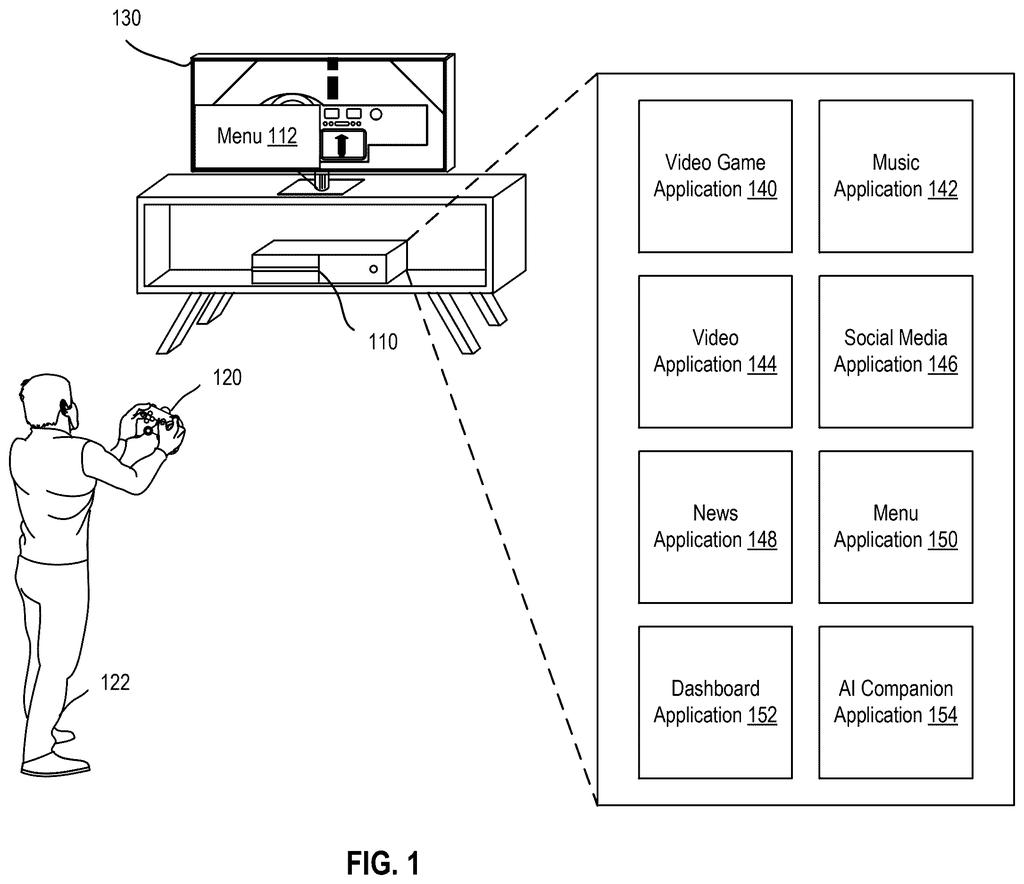
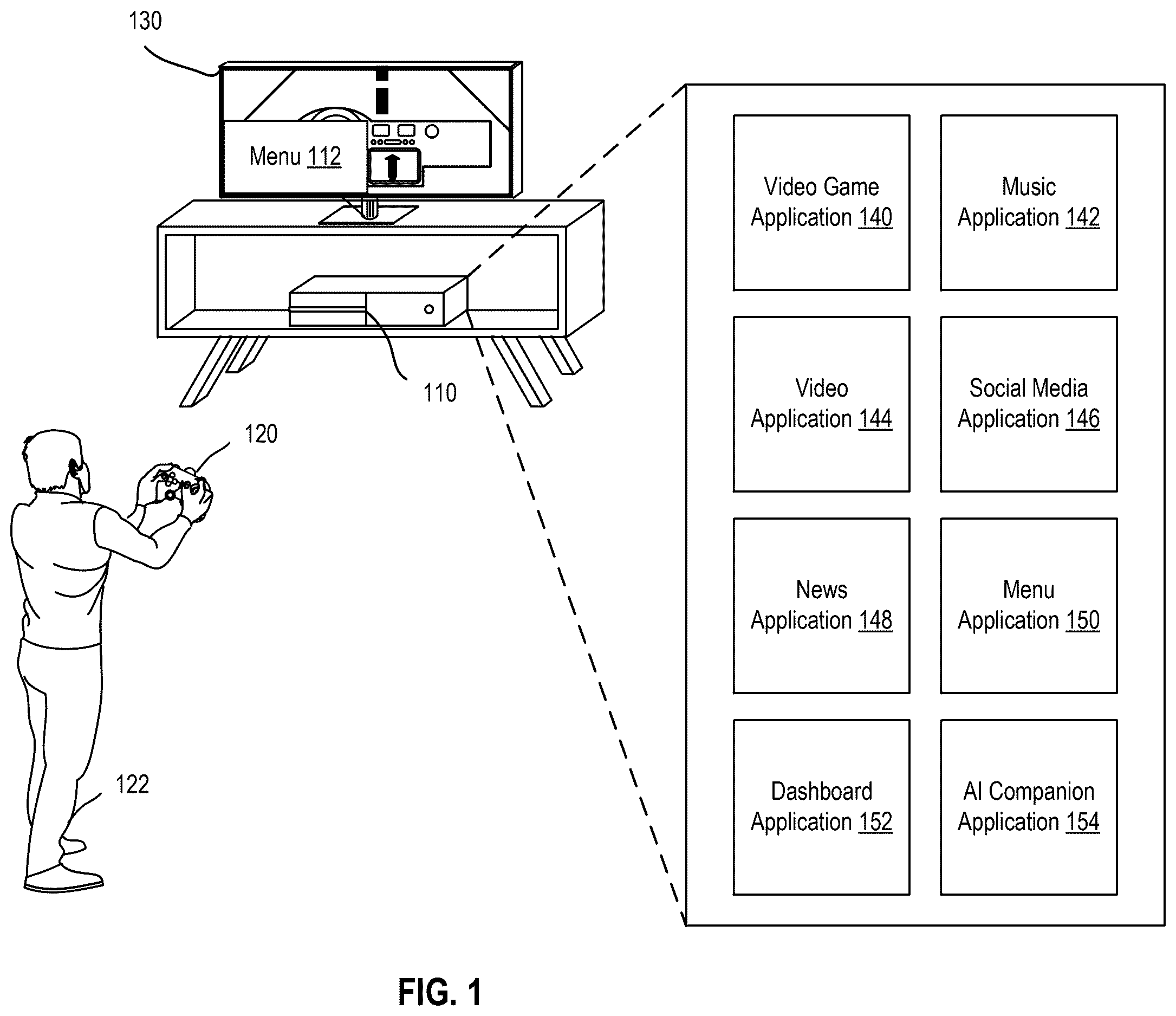
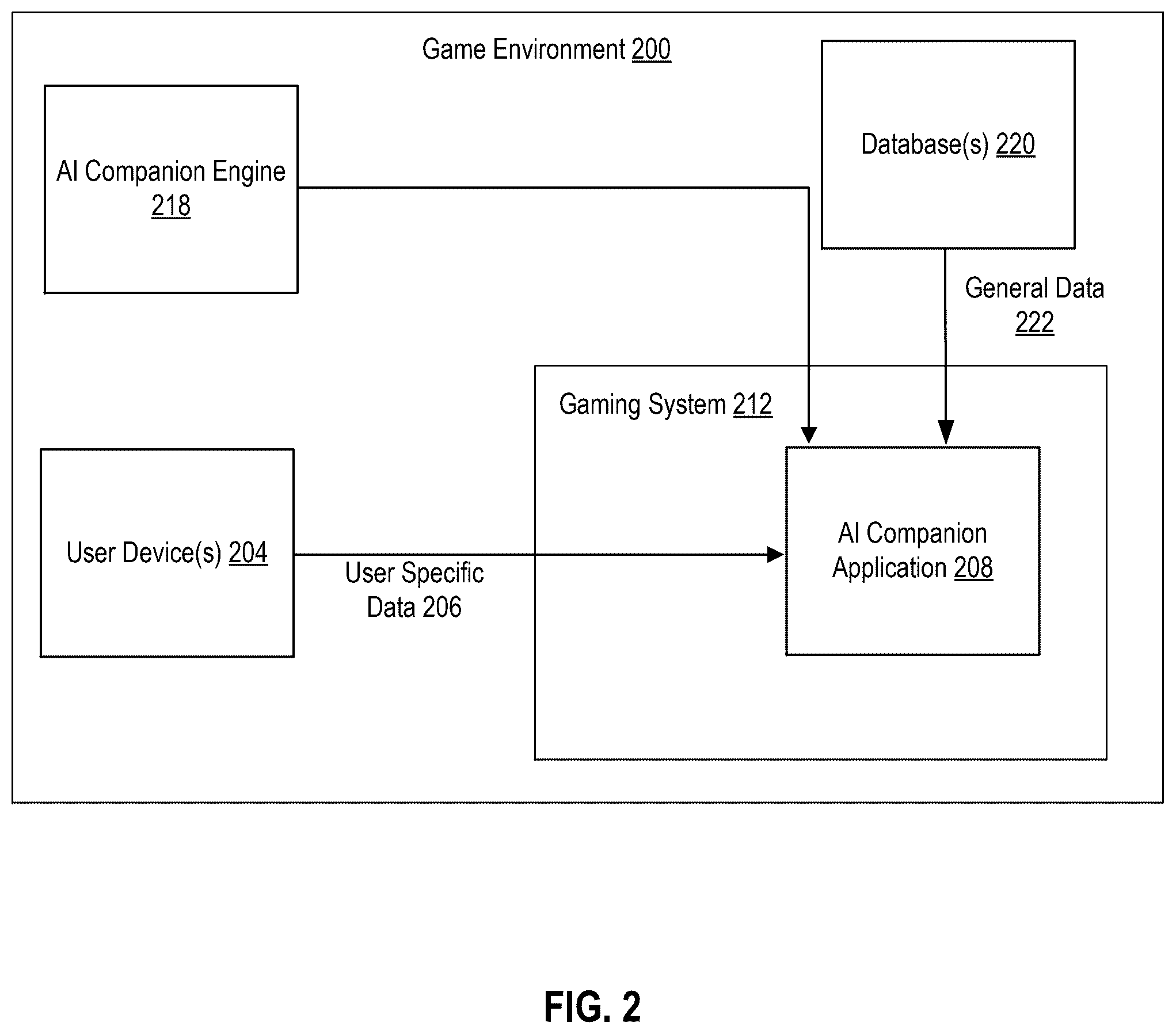
The patent describes a two-layer instruction system for an AI companion application running inside a game environment.
At the top level, the player provides a global game directive: a broad goal like "finish this level" or "collect as much loot as possible." The AI companion starts acting on that goal immediately.
While the AI works, the system continuously gathers what the patent calls implicit user gameplay information: behavioral signals from how the player actually interacts with the game (button presses, movement choices, what enemies they engage or ignore, how they respond to in-game events) rather than anything the player explicitly says. Think of it as the system eavesdropping on your habits.
From those observations, the system derives short-term directives, smaller tactical adjustments that sit under the big goal. If the global goal is "survive the dungeon" but the player keeps rushing past side rooms, a short-term directive might be "stop exploring side paths." The AI companion's actions are then modified accordingly, with the loop repeating constantly so the companion keeps re-calibrating as your moment-to-moment choices evolve.
… gathering implicit user gameplay information from user interactions in the game environment while the AI companion application executes the actions …
Translation: The system watches how you play while the AI companion performs its tasks.
What this means for solo players who hate tutorials
For solo players, a companion that adapts without constant manual instruction could make AI teammates feel far less frustrating. The traditional model requires you to either accept the AI's default behavior or stop playing to reconfigure it. A system that reads behavioral cues and adjusts automatically removes that friction, especially in long or complex games where your strategy changes.
For Sony, this fits a broader interest in making PlayStation experiences feel more personal and less like generic software. If this tech lands in a first-party title, it could raise the bar that third-party developers feel pressure to match for companion-character design.
Sony's eighth filing we've tracked since July on our AI agents acting for you watchlist follows earlier applications like an AI co-pilot for disabled gamers and one fixing devices remotely.
The core cost of this design is that the system decides what you "really" want by watching what you do, not by asking you. A player rushing through side rooms today might want to explore them tomorrow, and a companion that learned the wrong lesson from yesterday's session has no obvious way to unlearn it.
The patent does describe a hierarchy where short-term adjustments stay inside the boundaries of your original stated goal, which limits how far the AI can drift. But the filing says nothing about how you correct a bad inference in the moment, which is exactly when frustration hits hardest.
The tradeoff is defensible if the system recalibrates quickly and gives you some readable signal about what it's doing and why. Without that transparency, you get a companion that behaves unpredictably and offers no clear way to push back, which is a worse experience than no companion at all.
Get our take in your Top Stories
Liked this breakdown? Add Patentlyze as a preferred source on Google, and our plain-English take shows up more often in your Top Stories the next time Sony patent news breaks.
There are more where this came from
We read every patent application Big Tech publishes and send you the ones worth knowing. Plain English, free, every week.
The drawings
5 drawing sheets from US 2026/0295427 A1 · click any drawing to enlarge


Want this weekly breakdown for a company we don't cover? Patentlyze Pro →
Be the first to weigh in