
Sony Patents an AI System That Makes Gaming Clips Searchable by What's Happening In Them
Searching for 'that clip where someone beats the final boss without taking damage' could one day work exactly the way you'd expect on PlayStation, thanks to a new Sony patent that uses AI to automatically tag what's actually happening in gameplay videos.
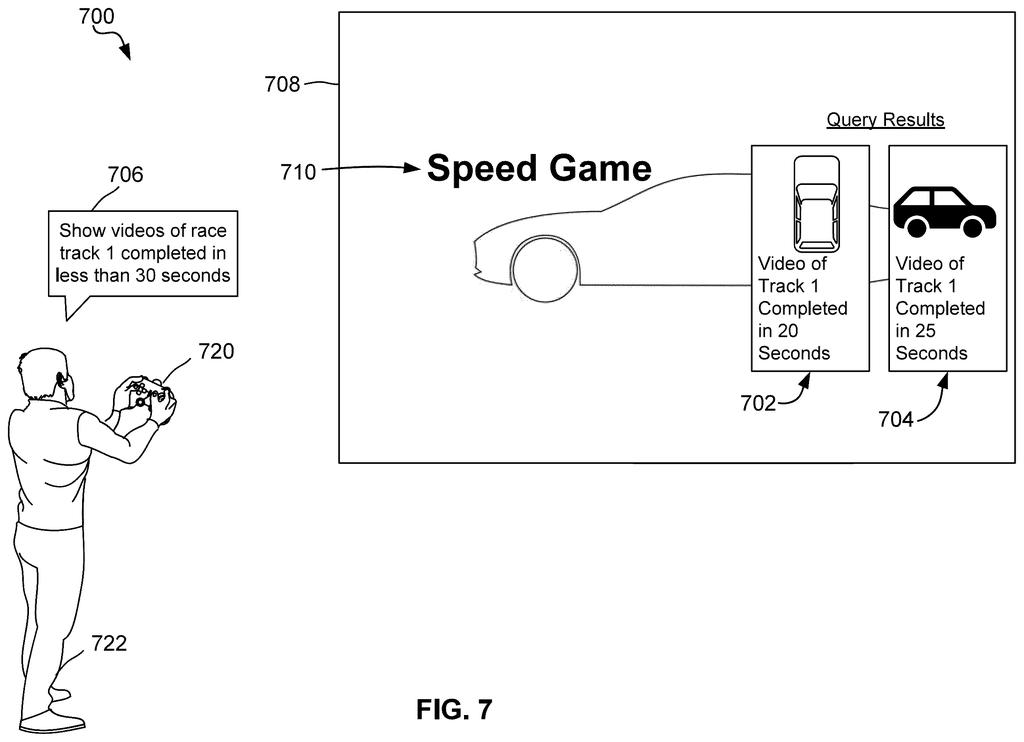
What Sony's AI gameplay search actually does for players
Every time a gamer shares a clip online, finding it again later is a mess. You either need a title someone happened to type correctly, or you're digging through hours of footage hoping the creator tagged it well. Most people don't bother, so thousands of genuinely useful gameplay moments end up buried or unsearchable.
Sony's patent describes a system where an AI watches gameplay videos and automatically generates detailed tags describing the context of what's happening: the map, the situation, the outcome. When you search for a specific moment, like a tricky section of a level or a particular type of play, the system matches your search to those AI-generated tags rather than relying on whatever description a user typed.
The result is that you'd be searching through the content of clips, not just their titles. If you want to see how other players handle a specific encounter in a specific way, you could actually find those videos without luck or guesswork.
receiving, from a device associated with a first user, a query for at least one video associated with a video game, the query indicating a first operational context for an event in the video game; …
Translation: A gamer searches for a specific in-game moment.
How the AI reads context and matches your search to a clip
At its core, the system has two moving parts: an AI tagging layer and a query-matching engine.
When a player's gameplay session is recorded and uploaded, an AI model analyzes the video and generates metadata (structured descriptive labels) capturing what the patent calls an "operational context." That's a formal way of saying the AI notes what was happening: which event in the game occurred, under what conditions, and how the player was performing or responding.
On the other side, when a different user submits a search query, they describe what they want to see, also in terms of that same operational context. They might specify a particular event, a particular condition, or a particular outcome. The system then checks whether the AI-generated metadata attached to any stored video matches what the searcher described.
- The AI generates metadata at upload time, not at search time, so queries run against pre-processed labels rather than raw video
- The match is between the searcher's described context and the metadata describing the uploader's actual gameplay context
- The video returned corresponds to a second user's real gameplay session, not manufactured or edited content
The system is built around the idea that context-to-context matching is more reliable than keyword-to-title matching for finding specific gameplay moments.
The metadata may be generated by an AI-model and may indicate a second operational context associated with the game play.
Translation: Artificial intelligence labels what happens in recorded gameplay.
What this means for PlayStation's video-sharing future
For everyday PlayStation players, this addresses a real frustration: searching for help with a specific part of a game, or wanting to compare your approach to someone else's, is currently a guessing game. You're at the mercy of how other players named their uploads. A context-aware search engine would make gameplay video libraries actually functional.
For Sony, the implications go further. A platform that can index and surface gameplay content by what's happening rather than what someone typed is a meaningful competitive asset. It could also factor into how the pattern in Sony's gaming-platform filings develops across PlayStation Network features, creator tools, and any future video-sharing products tied to the console ecosystem.
Sony's Language AI sixth filing we've tracked since May follows one on checking cause-and-effect diagrams and one on building game characters from text.
Claim 1 covers a system that receives a search tied to a specific in-game situation, uses AI-generated labels on stored videos to find matches, and returns results. The claim leaves open which AI model does the labeling, what format those labels take, and how precisely a "situation" must be defined.
That looseness gives the claim a wide reach. Any gaming video platform letting users search for gameplay footage by in-game context, with AI doing the tagging, could fall within this scope. No particular game, search method, or data structure is required by the claim language.
Whether that breadth holds up depends entirely on how "operational context" gets interpreted. If courts or examiners read it as something specific to game states, the claim has a defensible core. If it reads more broadly, the existing body of AI video tagging work may be substantial enough to narrow or defeat it.
There are more where this came from
We read every patent application Big Tech publishes and send you the ones worth knowing. Plain English, free, every week.
The drawings
9 drawing sheets from US 2026/0273418 A1 · click any drawing to enlarge


Want this weekly breakdown for a company we don't cover? Patentlyze Pro →
Be the first to weigh in