
Sony Patents a Camera Lens System That Keeps Focus Sharp While You Zoom
Zooming in on a subject sounds simple, but keeping it in sharp focus while you zoom is one of the trickier engineering problems in camera design. Sony's latest patent describes a lens system that watches the zoom lens's exact position and decides in real time whether to update the focus settings or leave them alone.
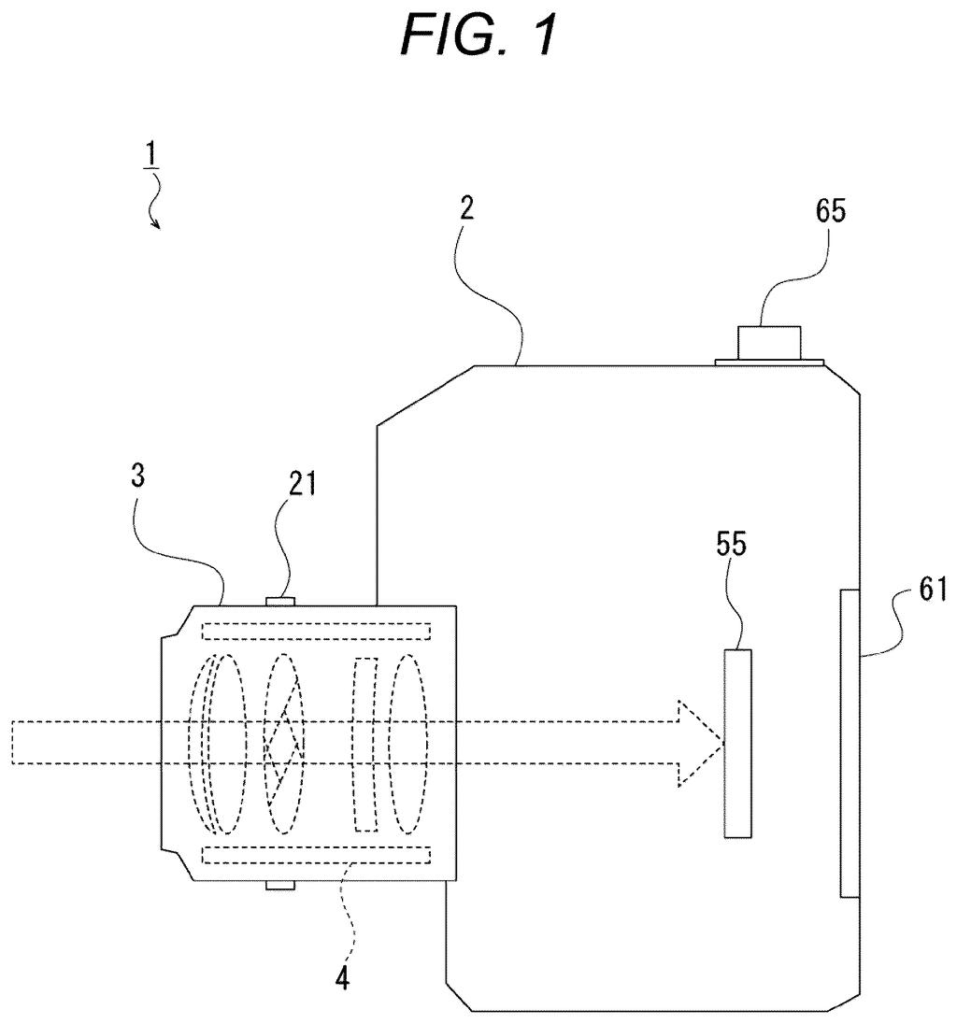
What Sony's zoom-tracking focus system actually does
Ever tried to zoom in on something only to watch it blur out right at the moment you needed it sharp? That blur happens because zooming changes the optics, and the focus lens has to compensate quickly to keep up.
Sony's patent describes a lens that monitors exactly where the zoom element sits at any given moment. If you're barely moving the zoom, the system holds its current focus settings steady, since a tiny zoom shift usually doesn't need a correction. But once the zoom moves far enough, the system switches to a fresh set of focus instructions tuned for that new position.
The key idea is that not every zoom movement needs a focus recalculation. By setting a threshold, the lens avoids constantly recalculating focus for micro-movements, which can introduce jitter or hunting. You get a steadier, more responsive image whether you're shooting video or locking onto a subject in a fast-moving scene.
… a detection unit that directly detects a position of the zoom lens; and a control unit that maintains a parameter for performing drive control of the focus lens in a case where a movement amount of the zoom lens based on a detection result of the detection unit is less than a predetermined threshold …
Translation: The system tracks the zoom lens position and keeps the current focus settings if the movement is very small.
How the control unit decides when to switch focus settings
The patent describes a lens device with two main moving parts: a zoom lens (which changes how wide or narrow your field of view is) and a focus lens (which determines sharpness). The twist is how the system decides when to update the focus lens's behavior.
A detection unit reads the zoom lens's physical position directly, rather than inferring it from motor commands or encoder steps. That direct measurement is then handed to a control unit, which compares how far the zoom lens has moved against a preset threshold.
- If the movement is below the threshold, the control unit keeps the current focus-drive parameter in place. The assumption is that small zoom changes don't require a new focus recipe.
- If the movement meets or exceeds the threshold, the control unit switches to a different parameter set matched to the new zoom position.
- The focus lens is then driven according to whichever parameter is active at that moment.
This conditional switching is essentially a filter: it separates intentional, meaningful zoom changes from minor mechanical drift or tiny operator nudges, so the focus system doesn't overreact to noise.
… switches the parameter in a case where the movement amount of the zoom lens is equal to or greater than the threshold, and performs drive control of the focus lens on the basis of the maintained or switched parameter.
Translation: It updates the focus controls when you zoom past a certain point to keep your picture sharp.
What this means for cameras and video shooting
In video, focus hunting (the camera visibly searching for sharp focus) is one of the most distracting artifacts a viewer notices. A system that avoids unnecessary focus adjustments during small zoom moves could mean cleaner footage, especially in broadcast or cinema lenses where smooth, predictable behavior matters as much as speed.
For photographers using long telephoto zooms, the same logic applies: a lens that holds its focus calibration steady during small adjustments is easier to control. Whether this approach ends up in Sony's Alpha camera bodies, cinema lenses, or professional broadcast glass, the underlying design choice trades off raw responsiveness for deliberate, stable behavior. That trade seems sensible in most shooting situations, though it could be a problem if the threshold is calibrated too conservatively for fast-moving zoom work.
Sony's 68th filing in the camera patents we've tracked since May follows one on rerouting cameras after 3D model failure and one on telling glass from plastic by light.
Sony's design only updates the focus system when the zoom moves past a set distance. That means if you stop just short of that distance, the focus is working from slightly outdated information for that exact position. It's a small but real gap in precision.
The cost is acceptable in most situations, but the threshold itself is load-bearing. Set it too wide and certain focal lengths produce soft images in ways that are hard to diagnose. Set it right and users never notice. That's a narrow margin for error in a shipping product.
For video work, where smooth and stable beats constantly self-correcting, this tradeoff reads as the right call. Still photography at specific zoom positions is where the design is most exposed, and that's the failure mode Sony needs to have tuned carefully before this leaves the lab.
There are more where this came from
We read every patent application Big Tech publishes and send you the ones worth knowing. Plain English, free, every week.
The drawings
11 drawing sheets from US 2026/0276943 A1 · click any drawing to enlarge


Want this weekly breakdown for a company we don't cover? Patentlyze Pro →