
Sony Patents a System That Picks the Right LiDAR Sensor for Each Driving Scene
Not all laser sensors see the world equally well, and Sony wants cars to know that. This patent describes a system that reads the driving scene first, then chooses which LiDAR sensor to trust.
How Sony's scene-aware sensor switcher works
Imagine driving through a thick fog bank after cruising a sun-drenched highway. The camera or sensor that worked perfectly in bright daylight might struggle in low visibility. Your car's ability to understand its surroundings depends entirely on whether its sensors are the right tool for the current conditions.
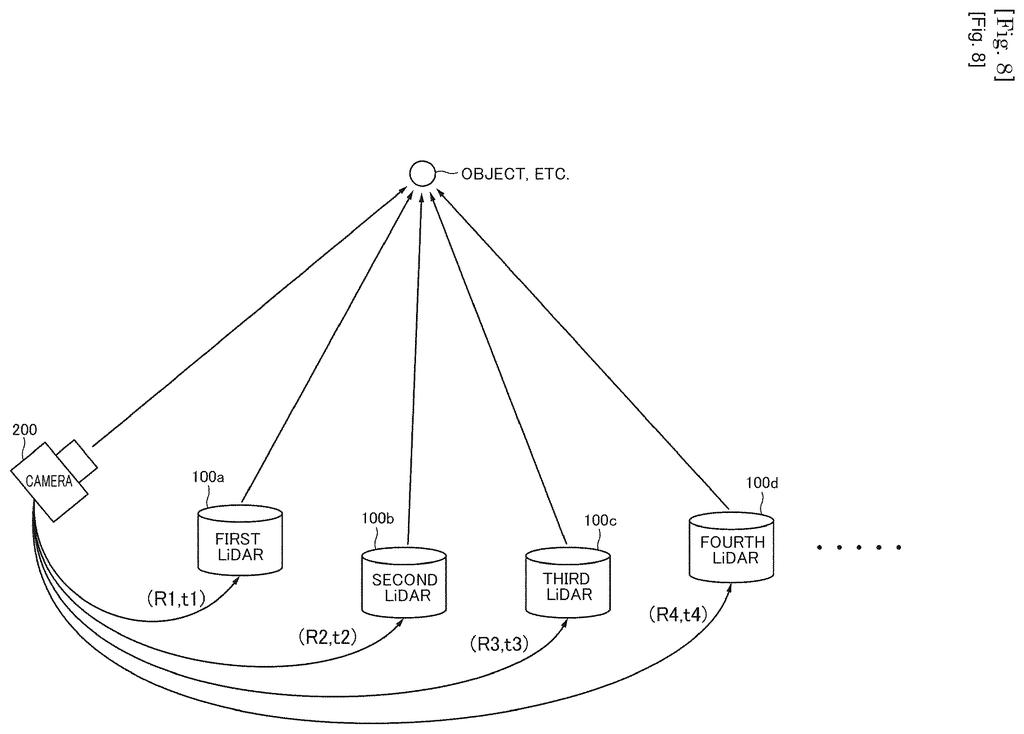
Sony's patent describes a system that puts a coordinator in charge of multiple laser-based distance sensors (called LiDARs) built into a self-driving car. Each sensor shoots light at a different wavelength, meaning each one has its own strengths depending on the environment. The system first figures out what kind of scene the car is in, then picks whichever sensor (or sensors) will do the best job in that specific situation.
The goal is more accurate scene understanding at all times, rather than always relying on a one-size-fits-all sensor that might be excellent in some conditions and weak in others.
a scene recognition unit that recognizes a scene of a surrounding environment on a basis of output data from a plurality of LiDARs that sense the surrounding environment at different wavelengths …
Translation: The system uses multiple lasers working at different wavelengths to understand the driving environment.
How the system matches wavelengths to driving conditions
The patent describes two core components working together. First, a scene recognition unit takes data from all available LiDAR sensors and uses it to classify the surrounding environment, identifying conditions like rain, fog, bright sunlight, tunnels, or dense urban areas.
Second, a LiDAR selection unit takes that classification result and decides which specific sensor's data should be fed into semantic segmentation (the process of labeling every point in a 3D scan as a specific object type, such as road, pedestrian, or vehicle). The selection can pick one sensor or a combination, depending on what the scene demands.
The key technical angle is that the multiple LiDARs in this system operate at different wavelengths. Different light wavelengths interact with rain, dust, or reflective surfaces in different ways, so a sensor using one wavelength might cut through fog better while another excels at detecting glass or wet pavement.
- Scene recognition runs first, using all sensor feeds
- The system classifies the driving environment
- The selection unit picks the best-matched sensor(s)
- Only the chosen sensor's data drives the final object labeling
… a LiDAR selection unit that selects one or a plurality of LiDARs, whose output data is used for semantic segmentation, from among the plurality of LiDARs on a basis of a scene recognition result …
Translation: It chooses the best laser sensor data to help the computer make sense of objects on the road.
What this means for self-driving car perception
Self-driving systems today typically rely on fixed sensor configurations, meaning the same sensors handle every condition regardless of whether they are the right fit. Sony's approach treats sensor selection as a dynamic, per-scene decision, which could meaningfully improve how reliably a vehicle understands its surroundings in difficult conditions like rain, glare, or low-contrast nighttime roads.
Sony has been building automotive sensor hardware, including image sensors and LiDAR components, through its joint venture with Honda (Sony Honda Mobility). A system like this fits naturally into that roadmap, where Sony supplies not just the sensors but the intelligence layer that decides how to use them.
This is solid, practical engineering for autonomous driving perception. It doesn't claim to solve self-driving entirely, but narrowing the question to 'which sensor is best right now' is exactly the kind of targeted problem that can have a real impact on edge-case reliability. Sony's hardware background gives this more credibility than a pure-software company filing the same idea.
There are more where this came from
We read every patent application Big Tech publishes and send you the ones worth knowing. Plain English, free, every week.
The drawings
11 drawing sheets from US 2026/0227514 A1 · click any drawing to enlarge


Want this weekly breakdown for a company we don't cover? Patentlyze Pro →
Be the first to weigh in