
Samsung Patents a Display Technique That Blends Two Pixel Signals for Cleaner Images
Getting smooth, accurate color on a screen is harder than it looks. Samsung is patenting a method that processes each pixel's color signal twice, then blends the results to get a more precise final image.
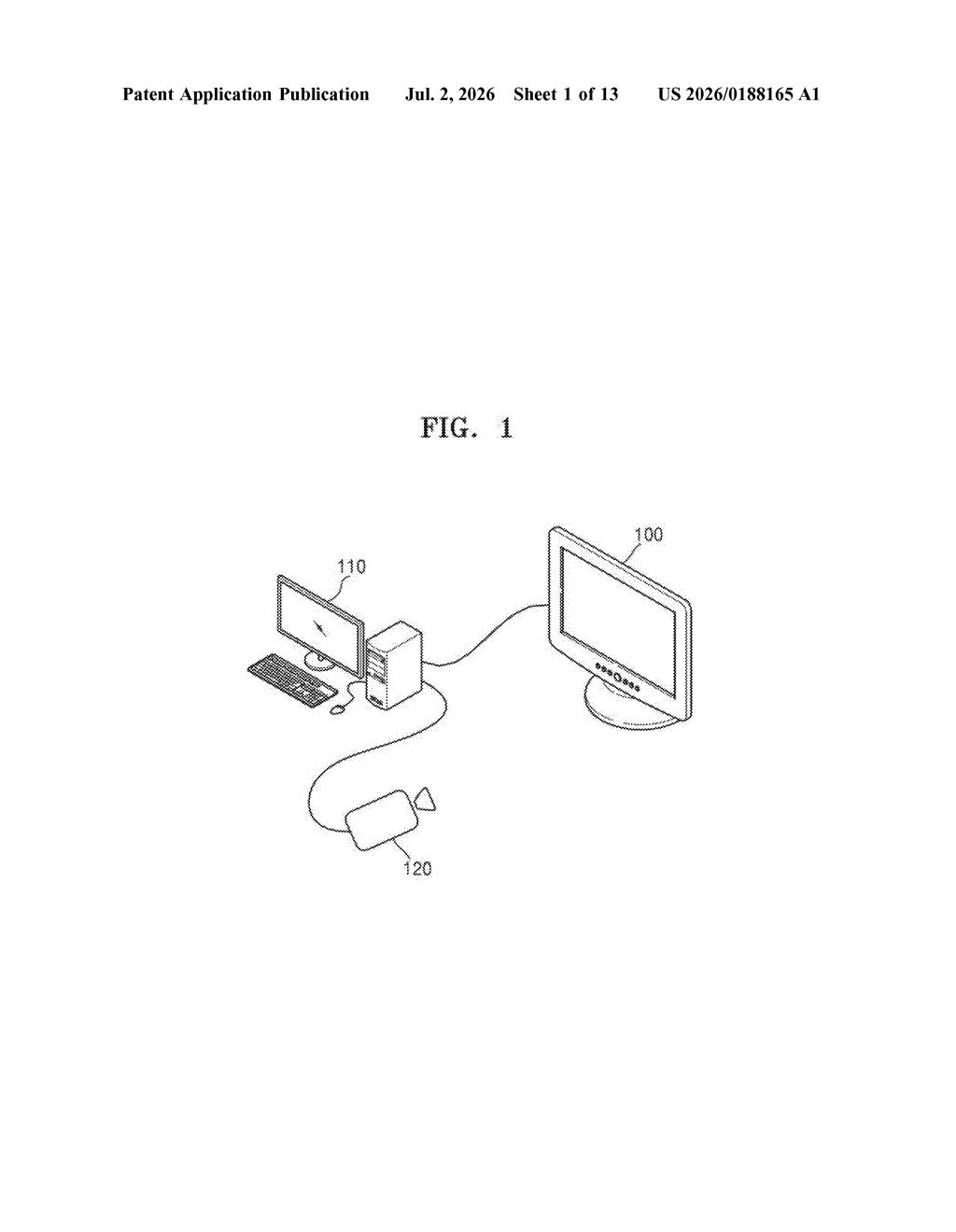
What Samsung's pixel signal blending actually does
Imagine you're trying to paint a wall a very specific shade of gray, but your paint store only sells colors in rough steps. One trick painters use is to mix two slightly different shades in a pattern so fine that your eye reads it as the in-between color. That's essentially what a display does with pixels when it uses a technique called dithering.
Samsung's patent describes a display system that takes an incoming color signal and processes it in two ways at once: first by converting it through a standard formula, and second by applying that dithering trick. It then combines both results into a single final value that gets sent to the pixel.
The idea is that neither method alone is perfect. Combining them is meant to produce a more accurate color than either could achieve on its own, which could result in displays that look smoother, especially in subtle gradients like sunsets or skin tones.
How Samsung combines conversion and dithering values
The patent describes a three-step pipeline for controlling how each pixel in a display is driven (meaning, how much voltage or current it receives to produce a given color or brightness).
- First code value: The device takes an incoming color value and runs it through a conversion function, transforming it from one color space or bit-depth representation to another.
- Second code value: Separately, the device applies dithering to the same input. Dithering is a technique where small, calculated amounts of noise are added to a signal to reduce visible banding, the stepped, posterized look that appears when a display can't represent fine gradations in color or brightness.
- Third code value: The processor then combines these two independently derived values into a single output code, which is what actually drives the pixel.
The claim is deliberately broad, covering any electronic device with a display and processor that follows this general sequence. The patent does not specify exactly how the first and second codes are combined, which means the actual weighting or blending logic is likely covered in dependent claims or kept as a trade secret.
What this means for Samsung display quality
Display quality on phones, tablets, and TVs increasingly lives or dies in the fine details: whether a gradient looks smooth or stepped, whether dark scenes show banding or look clean. Samsung is one of the world's largest display manufacturers, supplying panels to Apple, Google, and its own Galaxy line. A more precise pixel-driving method, even a small improvement, applied at scale across hundreds of millions of screens, adds up.
For you as a consumer, this kind of improvement tends to show up most in HDR content, dark scenes in movies, and subtle color gradients in photos. It's not the sort of thing you'd notice in a spec sheet, but it's the kind of thing that makes a display feel more expensive than it is.
This is low-glamour display engineering, not a headline feature. But Samsung's display division is where the company genuinely leads the industry, and incremental improvements to pixel accuracy are exactly how that lead gets maintained. It's worth a note, not a spotlight.
Get our take in your Top Stories
Liked this breakdown? Add Patentlyze as a preferred source on Google, and our plain-English take shows up more often in your Top Stories the next time Samsung patent news breaks.
There are more where this came from
We read every patent application Big Tech publishes and send you the ones worth knowing. Plain English, free, every week.
Want this weekly breakdown for a company we don't cover? Patentlyze Pro →