
Tesla Patents a Heated, Anti-Glare Glass Stack for Its Vehicle Cameras
Tesla is working on a purpose-built glass assembly for the cameras mounted in its vehicles, one that can conduct electricity for defogging or deicing while still letting light through cleanly enough for reliable computer vision.
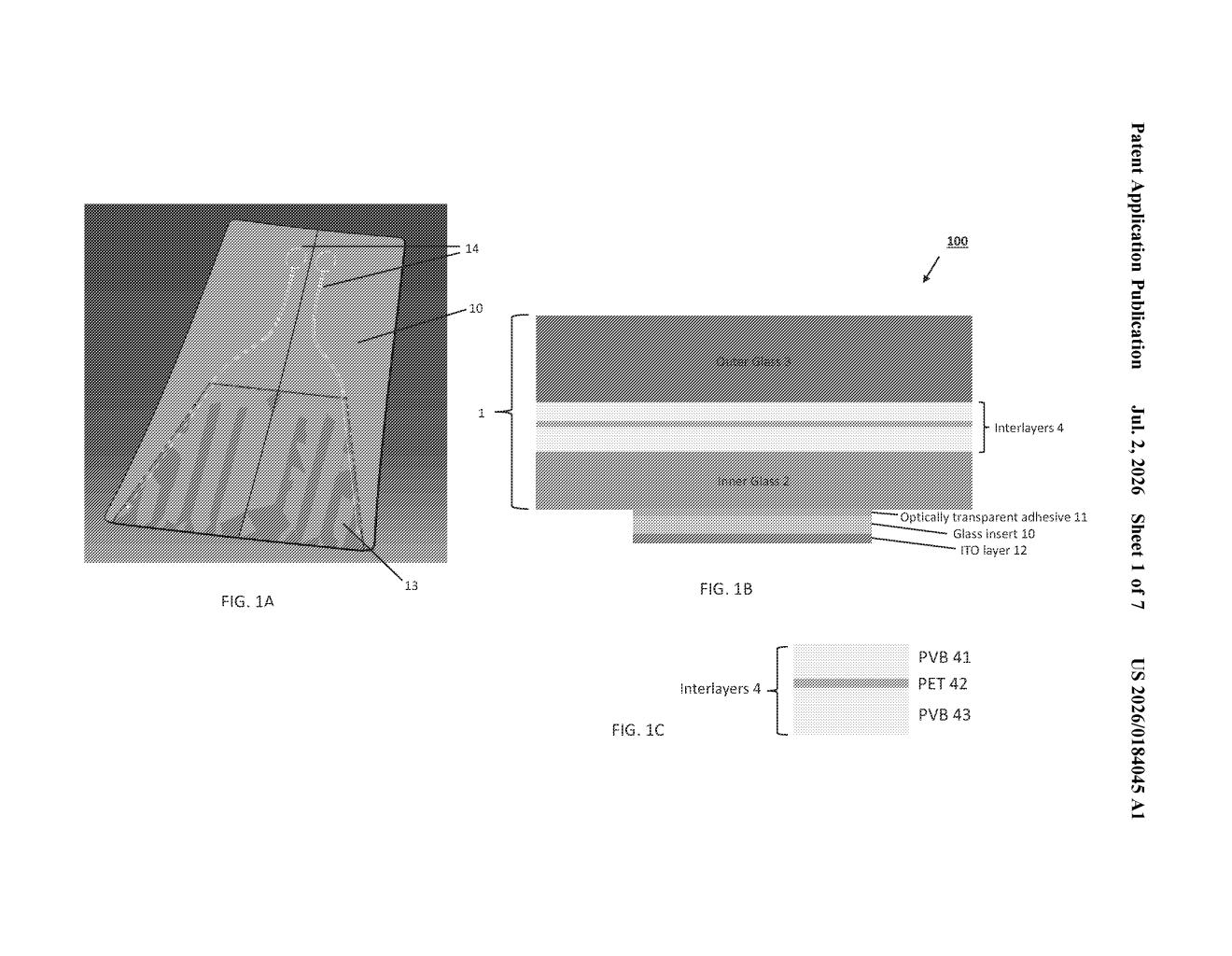
What Tesla's camera glass coating actually does
Imagine a camera on the outside of your Tesla fogging up or icing over in cold weather. The image goes blurry, and the car's self-driving system loses a critical set of eyes. That's the practical problem this patent is trying to solve.
Tesla's design layers a transparent metallic coating onto a special glass insert placed in front of the camera sensor. That metallic layer can carry electrical current, which generates heat to clear ice and condensation, similar to the rear defroster on your windshield. An additional anti-reflective coating is applied on top to offset any light loss the metallic layer causes.
The assembly also describes a low-angle installation option, where a custom cutout sits directly in front of the sensor with a slightly different material composition, plus an optional glare shield underneath. The idea is to keep camera images sharp and consistent regardless of weather or sunlight conditions.
How the coated glass layers balance heat and optics
The patent describes a coated glass stack, essentially a multi-layer sandwich of glass and functional coatings, engineered to sit between the outside world and a vehicle's image sensor.
The core component is a glass insert bonded to the main glass stack using a transparent adhesive. This insert receives two key coatings:
- A transparent conductive (metallic) layer that allows electrical current to flow through the glass, generating heat to melt ice or clear condensation without blocking the camera's view.
- An anti-reflective layer to compensate for the light that the metallic coating would otherwise absorb or reflect, preserving image quality for the sensor behind it.
For cameras mounted at low angles (think a front bumper or roof line), the patent adds a cutout area directly in front of the sensor using a different material composition than the rest of the stack. This lets engineers fine-tune optical performance specifically where the sensor is looking. A vertical window and a glareshield are also described as optional additions to further control stray light and glare hitting the sensor.
What this means for Tesla's Autopilot cameras
Tesla's Autopilot and Full Self-Driving systems depend heavily on cameras rather than radar or lidar. That makes camera reliability in bad weather a genuine safety concern, not just a comfort feature. A glass assembly that actively heats itself while maintaining optical quality directly addresses one of the most common real-world failure points for camera-based driver assistance.
For Tesla owners, this could mean fewer "camera blocked" warnings in winter conditions and more consistent Autopilot availability during rain or frost. For the broader industry, it signals that Tesla is investing in the physical hardware around its sensors with the same focus it applies to the software, treating the glass in front of a camera as a precision optical component rather than an afterthought.
This is exactly the kind of unglamorous engineering detail that actually determines whether a self-driving system works in Minnesota in January versus only in California in July. The patent is specific, practical, and directly tied to a known weakness of camera-only autonomy stacks. Worth paying attention to.
Get our take in your Top Stories
Liked this breakdown? Add Patentlyze as a preferred source on Google, and our plain-English take shows up more often in your Top Stories the next time Tesla patent news breaks.
There are more where this came from
We read every patent application Big Tech publishes and send you the ones worth knowing. Plain English, free, every week.
Want this weekly breakdown for a company we don't cover? Patentlyze Pro →