
Tesla Patents a Steering Wheel Button That Pushes Back When You Press It
Tesla has filed a patent for a steering wheel button system that feels like a physical click without any moving parts, using the same crystal-based technology found in some high-end trackpads.
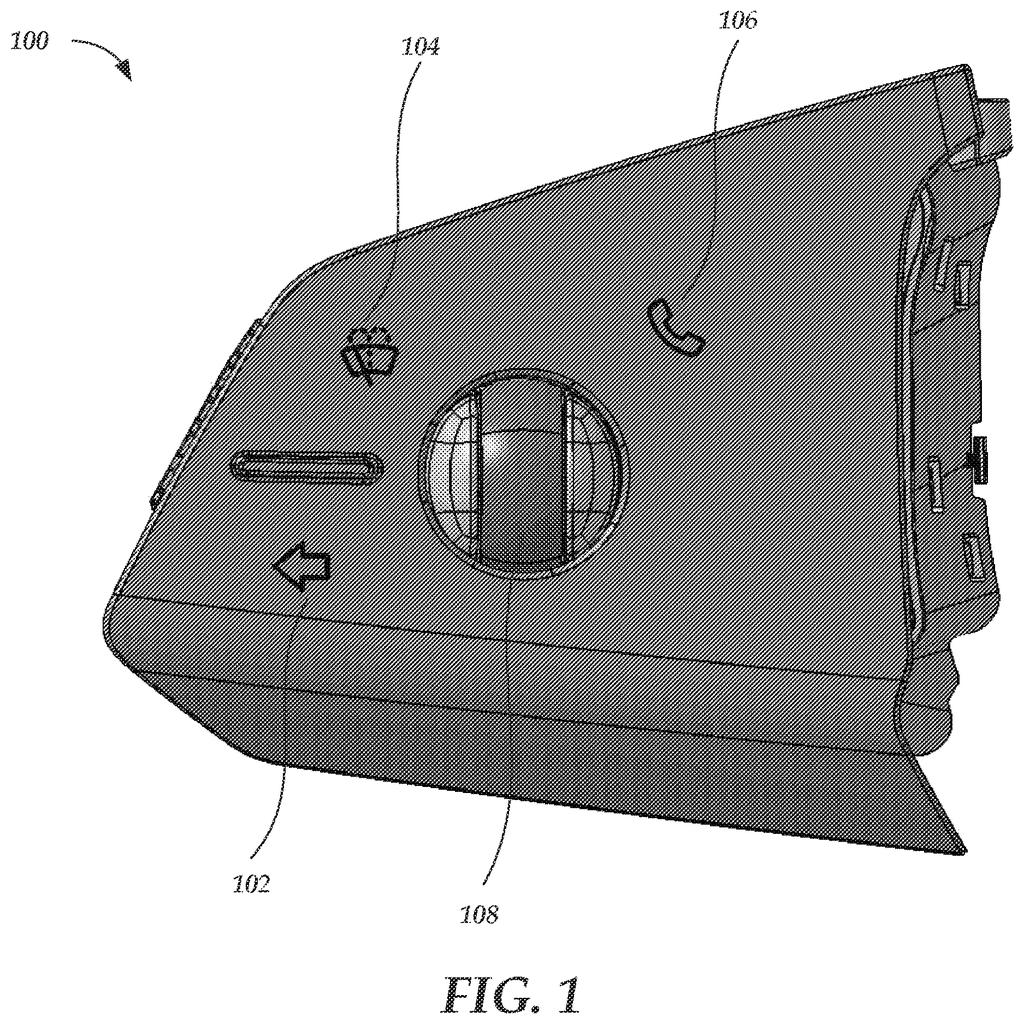
What Tesla's buzzing steering wheel switch actually does
Every time you reach for a button on a Tesla steering wheel, you're essentially tapping a flat surface and hoping it registered. There's no satisfying click, no physical confirmation that the car heard you.
This patent describes a new kind of button pack for the steering wheel that solves exactly that. A special material called a piezoelectric actuator sits inside the button area. When you press it, it generates a small electrical signal that the car reads as your input. Then, almost instantly, the same material vibrates back at your fingertip, giving you a tiny buzz that says got it.
The result is a button that has no moving parts but still feels like it clicked. Your finger gets confirmation without the car needing a mechanical switch underneath. It's the same basic idea behind the "click" you feel on a MacBook trackpad, applied to a steering wheel.
generate a first electric signal in response to a first user contact associated with the switchpack; and generate a haptic feedback based on a control signal; …
Translation: The button senses when you touch it and uses electricity to push back against your finger.
How the piezoelectric layer senses touch and fires feedback
The core component here is a piezoelectric actuator, a material that works in both directions: press it and it generates electricity; send electricity through it and it vibrates. Tesla's patent uses both properties in a single component.
When your finger contacts the switchpack on the steering wheel, the actuator converts that pressure into an electrical signal. A processor reads that signal and figures out what kind of input you made, whether that's a tap, a hold, a swipe, or some other gesture. Based on that determination, the processor sends a control signal back to the actuator, which then vibrates in a specific pattern as haptic feedback (a physical buzz that your skin can feel).
The feedback loop is:
- Your finger presses the surface
- The material generates an electric signal
- The processor identifies the action
- The processor tells the material to vibrate
- You feel a confirmation buzz
Because the same single component handles both sensing and feedback, there's no need for a separate physical switch mechanism underneath. The whole assembly can be flat, sealed, and relatively thin, which matters a lot in a steering wheel where interior space is limited.
determine, based at least in part on the first electric signal, that the first user contact indicates a first user operation; and generate the control signal based on the first user operation.
Translation: A computer chip figures out what you wanted to do based on your touch and decides how the button should react.
What this means for Tesla's touchscreen-heavy controls
Tesla has moved most vehicle controls to a large central touchscreen, and the steering wheel buttons that remain are flat capacitive pads with no tactile response. Drivers frequently complain about not knowing whether a press registered, especially while keeping eyes on the road. A system that buzzes back at your fingertip addresses that complaint directly, without requiring Tesla to go back to old-fashioned mechanical buttons.
Tesla's long bet on solid-state, minimal-moving-parts controls makes this kind of haptic layer important. If the controls have no travel and no click, the only feedback path left is through your skin. Whether this specific design makes it into production depends on cost and durability testing, but the direction is clear: physical confirmation without physical parts.
That makes this Tesla's 33rd filing we've tracked since May in our Tesla coverage, which already includes a camera-radar sync application and a high-power emergency alert application.
The ship-path here is actually shorter than most Tesla hardware patents. Piezoelectric haptics are already a mature technology; Apple put them in the iPhone 7's home button back in 2016 and later in MacBook trackpads. The material science isn't experimental, and the sensing-plus-feedback architecture described is well understood.
What Tesla has to solve is durability in a steering wheel environment: temperature swings, UV exposure, sweat, and the fact that drivers grip and palm these surfaces constantly. The patent says nothing about those engineering details, which is where the real work lives.
If those physical challenges are already solved internally, this could move to production relatively fast. If not, the patent is a placeholder for an approach Tesla clearly wants to take once the materials hold up. Either way, it's a narrowly targeted fix for a real and frequently cited driver complaint.
There are more where this came from
We read every patent application Big Tech publishes and send you the ones worth knowing. Plain English, free, every week.
The drawings
9 drawing sheets from US 2026/0274324 A1 · click any drawing to enlarge


Want this weekly breakdown for a company we don't cover? Patentlyze Pro →