
Tesla Patents a Windshield Washer Pump That Monitors Its Own Fluid Level
Tesla is patenting a windshield washer pump that also checks whether the reservoir is running low — folding two separate parts into one to cut costs and close off a common leak point.
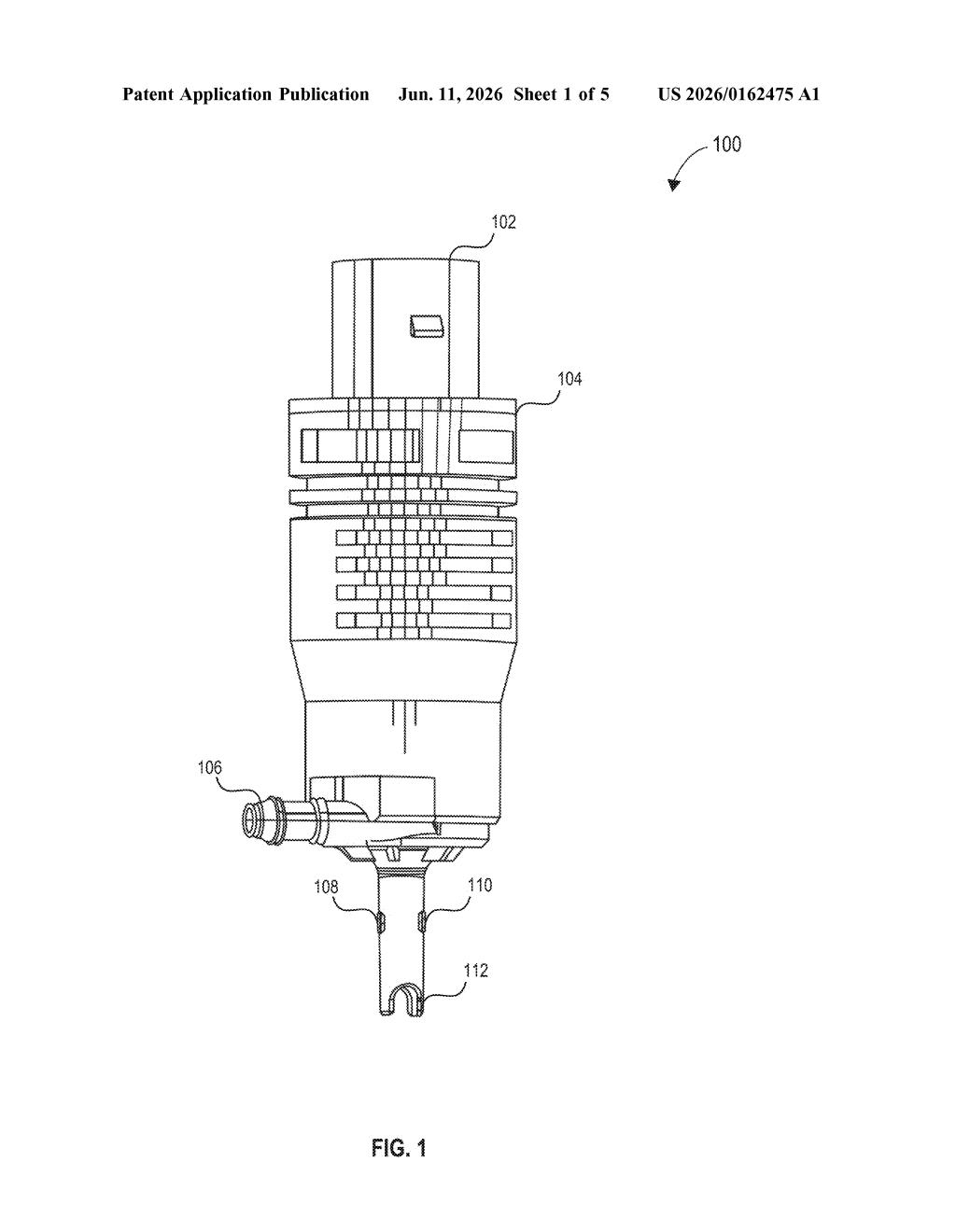
What Tesla's combined pump-and-sensor unit actually does
Imagine the little reservoir under your car's hood that holds the blue windshield-washer fluid. Right now, most cars drill two separate holes near the bottom of that tank: one for the pump that pushes fluid to the nozzles, and one for a sensor that tells your dashboard when the fluid is running low. Each hole is a potential leak waiting to happen.
Tesla's patent describes a single pump unit that does both jobs at once. The pump draws fluid and monitors the level, all through one connection point. That means the reservoir can be built as a sturdier, more sealed container with fewer openings.
The result, according to the filing, is fewer parts, a simpler assembly line, and less chance of a slow drip developing over time. It's a small change in the grand scheme of a car, but exactly the kind of quiet manufacturing tweak that adds up across millions of vehicles.
How the sensor and pump share one reservoir entry point
The patent describes a wash water pump that has four functional elements built into a single housing:
- Inlet — draws washer fluid from the reservoir
- Outlet — pushes fluid toward the windshield nozzles
- Actuator — the actual pumping mechanism
- Low-level sensor — detects when the fluid supply is getting critically low
The key engineering point is that the low-level sensor is integrated directly into the pump body rather than mounted separately on the reservoir wall. Traditional designs require a dedicated port (a drilled or molded hole) lower on the reservoir so the float or conductivity sensor can sit near the bottom of the tank. Every hole in a fluid-holding container is a potential failure point — seals age, vibration loosens fittings, and plastic fatigue can crack around openings.
By routing the sensing function through the pump's existing connection, Tesla eliminates at least one of those openings entirely. The reservoir can be molded as a closed-bottom shell, which is both structurally simpler and less prone to leaking. The filing notes that the same integration philosophy can be applied to other vehicle fluid systems beyond the washer reservoir.
What this means for vehicle assembly and leak points
For the average driver, this is mostly invisible — your washer fluid warning light will still pop up when you're running low, just as before. But from a manufacturing standpoint, fewer parts and fewer assembly steps mean lower production cost per vehicle. At Tesla's production volumes, even small per-unit savings multiply quickly.
The more interesting signal here is that Tesla is actively patenting component consolidation at a very granular level — not just big-ticket innovations like battery chemistry or autonomy software. That suggests the company is running disciplined cost-reduction programs through its engineering ranks, which matters as price competition in the EV market intensifies.
This is not a flashy patent — it's a washer fluid pump. But it's a useful reminder that manufacturing efficiency is won in hundreds of small decisions like this one, and Tesla is clearly filing to protect even incremental cost-saving ideas. Worth a glance if you follow automotive supply chain or lean manufacturing; easy to skip if you're here for the AI or battery stories.
There are more where this came from
We read every patent application Big Tech publishes and send you the ones worth knowing. Plain English, free, every week.
Want this weekly breakdown for a company we don't cover? Patentlyze Pro →