
Sony Patent Embeds Solar Cells Into Game Controllers to Eliminate Batteries
Sony is exploring a game controller that charges itself using light, no cable required. The patent describes solar cells built directly into the controller housing, feeding power into an internal battery as you play.
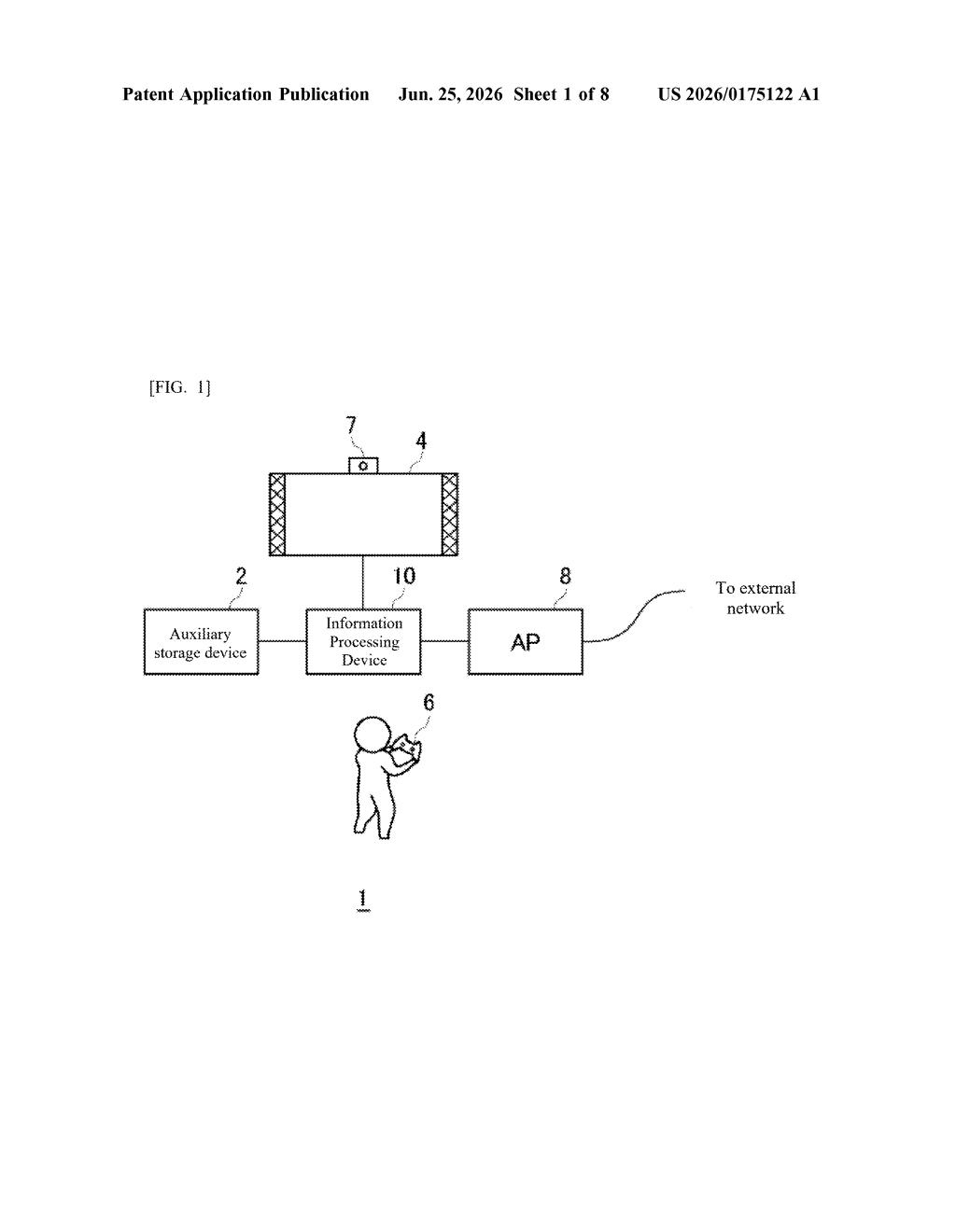
What Sony's solar-charging controller actually does
You know the frustration: you sit down for a gaming session and your controller is dead. Sony's patent describes a controller that fights back against that problem by embedding small solar cells inside the device itself, so it can slowly recharge from ambient light whether you're playing or not.
The idea is straightforward. Multiple photovoltaic elements (the same basic technology in a solar-powered calculator or outdoor garden light) are tucked into the controller's casing. Any light hitting the device, whether sunlight through a window or the glow of your TV, gets converted into electricity and stored in a built-in battery.
This wouldn't replace a full charge overnight, but it could meaningfully extend how long your controller lasts between charges, or reduce how often you need to plug it in at all.
How the photovoltaic cells power the controller
The patent describes a handheld operation device (essentially a game controller) with two key additions to the standard design: a set of photovoltaic elements (light-converting solar cells) arranged inside the housing, and a power storage unit (a rechargeable battery or capacitor) that collects and holds the electricity those cells generate.
The claim is intentionally broad. Sony doesn't specify exactly where on the controller the cells sit, how many there are, or what wattage they produce. The patent covers the general architecture of combining solar harvesting with onboard storage in a grip-style input device.
- Multiple solar cells distributed across the controller body
- An internal power storage unit that accumulates the harvested energy
- A standard gripping portion and input unit (buttons, triggers, sticks)
Because the claim is written this way, it covers a wide range of possible implementations, from a thin strip of cells along the top face to cells embedded in the back shell. The patent doesn't describe any wireless charging or USB fallback, but those would likely appear in a real product.
What this means for PlayStation controller batteries
The PlayStation DualSense controller has drawn consistent criticism for its battery life, which typically runs four to eight hours depending on haptic usage. Any passive charging that happens during normal use or while the controller sits idle on a shelf would address one of the most common PlayStation complaints without requiring a bigger (heavier) battery.
For you as a player, this could simply mean fewer interruptions and fewer cables. Sony filed this under Sony Interactive Entertainment, the PlayStation-specific division, so it's clearly aimed at gaming hardware rather than a general consumer electronics concept. Whether it makes it into a future DualSense revision or a next-generation controller is an open question, but the intent is plain.
This is a small, practical idea with obvious real-world value. Battery life is one of the most complained-about features of modern controllers, and solar trickle-charging is a low-cost fix that doesn't require making the device bigger or heavier. The patent is narrow and clean, which actually makes it more likely to show up in a shipping product than a sprawling, speculative filing.
There are more where this came from
We read every patent application Big Tech publishes and send you the ones worth knowing. Plain English, free, every week.
Want this weekly breakdown for a company we don't cover? Patentlyze Pro →