
IBM Patents a System for Confirming the Code Running a Chip's Security Features
When a server runs an encryption operation, how does it know the chip doing the work hasn't been updated with buggy or tampered firmware? IBM's new patent is aimed squarely at that question.
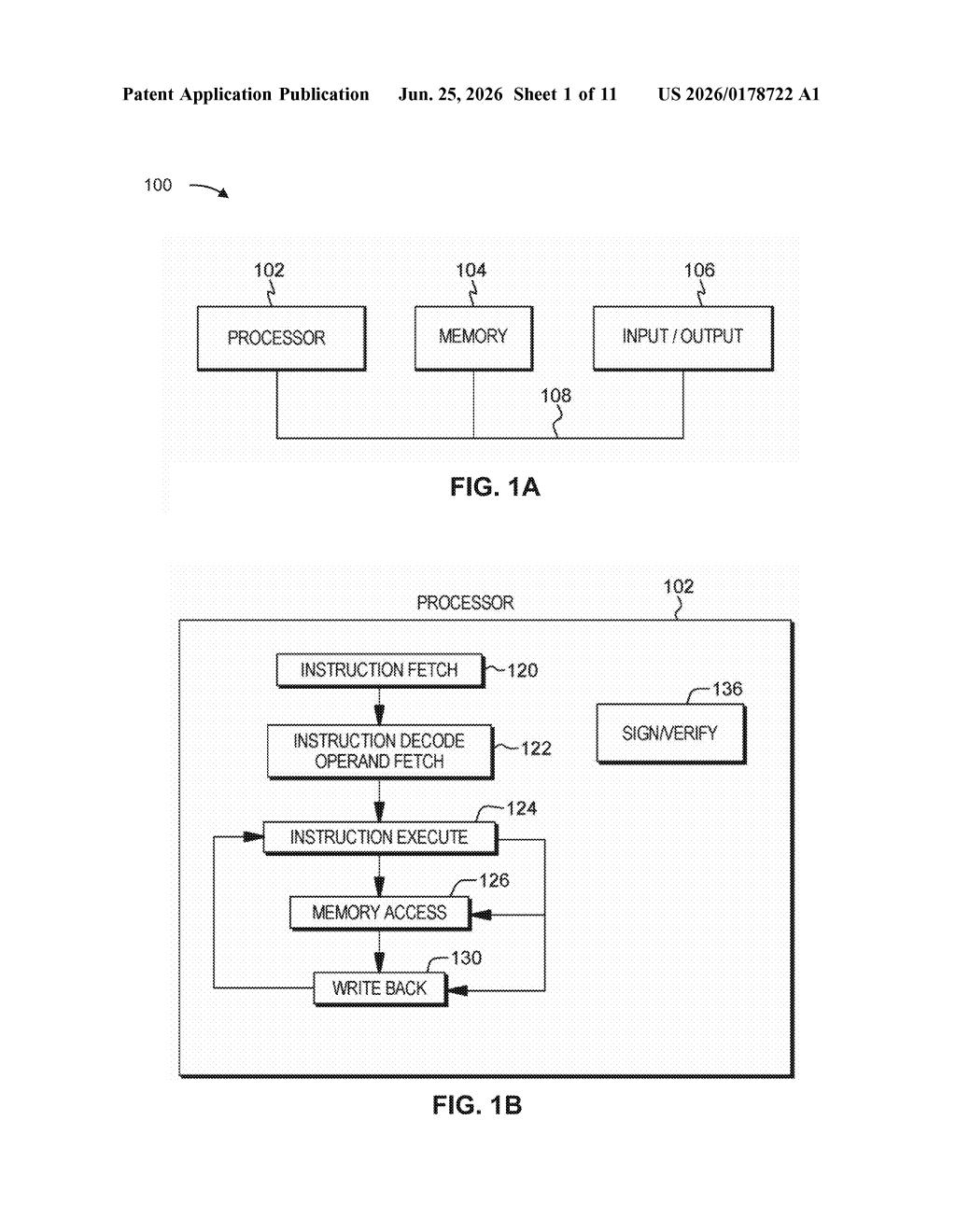
What IBM's encryption firmware check actually does
Imagine your bank's servers are encrypting millions of transactions every day using a dedicated chip. That chip runs its own internal software called firmware, and different firmware versions can have different capabilities, bugs, or even vulnerabilities. Right now, the software running on top of that chip largely has to take it on faith that the firmware underneath is exactly what it expects.
IBM's patent describes a way for a program to ask the operating system: "Hey, is the firmware powering this chip's encryption actually the version I think it is?" The operating system checks a trusted library of certified firmware records and hands the answer back to the program.
This kind of check is especially important in regulated industries like finance, healthcare, and government, where proving that encryption met a specific certified standard at a specific moment in time is a compliance requirement, not just a best practice.
How the OS service queries the certification library
The patent centers on IBM's Central Processor Assist Cryptographic Facility (CPACF), a hardware feature built into IBM Z mainframe processors that accelerates encryption operations directly on the CPU.
A program that wants to use a specific CPACF encryption instruction sends a call to an operating system service. That call includes two things: the name of the cryptographic instruction it wants to use, and an IFCL hash (Instruction Firmware Code Level hash, a short fingerprint that uniquely identifies a specific firmware version, similar to a checksum on a downloaded file).
The OS service then queries a cryptographic certification library, a curated database of known, verified firmware fingerprints. The library lookup tells the program whether the firmware version currently running on the chip matches a certified, approved record.
- The program requests a specific encryption instruction plus its expected firmware fingerprint.
- The OS service queries the certification library on the program's behalf.
- The result is returned: the firmware either matches a certified level or it doesn't.
This keeps the verification logic centralized in the OS rather than forcing every individual application to build its own firmware-checking code.
What this means for enterprise and cloud security audits
For enterprises running IBM Z mainframes, firmware certification is often a legal requirement. Compliance frameworks like FIPS 140-3 demand that cryptographic operations be performed by validated implementations. If firmware on a chip was updated and the new version hasn't yet received certification, any encryption done in the meantime could, in theory, fail an audit. IBM's system gives software a programmatic way to check before it commits to an operation.
More broadly, this kind of firmware attestation is a growing concern across the whole industry as supply-chain attacks get more sophisticated. A patent like this points to IBM hardening the trust chain on its mainframe platform, where customers are often banks, insurers, and government agencies that cannot afford ambiguity about what code is running their encryption.
This is focused, practical infrastructure work for a specific platform (IBM Z mainframes) and a specific customer base (regulated enterprises). It won't show up in a consumer product, and it's not trying to. If you run compliance-sensitive workloads on IBM hardware, this is exactly the kind of unglamorous plumbing that prevents audit failures. For everyone else, it's a window into how seriously large institutions treat firmware trust.
There are more where this came from
We read every patent application Big Tech publishes and send you the ones worth knowing. Plain English, free, every week.
Want this weekly breakdown for a company we don't cover? Patentlyze Pro →