
IBM Patents a Storage Lock That Blocks Virtual Machines From Reading Each Other's Data
When dozens of virtual machines share the same physical storage, a compromised one could theoretically reach into its neighbor's files. IBM's new patent puts a lock at the storage layer itself to stop that.
How IBM's VM storage lock actually works
Imagine a self-storage facility where every unit is supposed to be private, but the building manager only checks IDs at the front door. Once you're inside, you could walk up to any unit. That's roughly the risk IBM is addressing here.
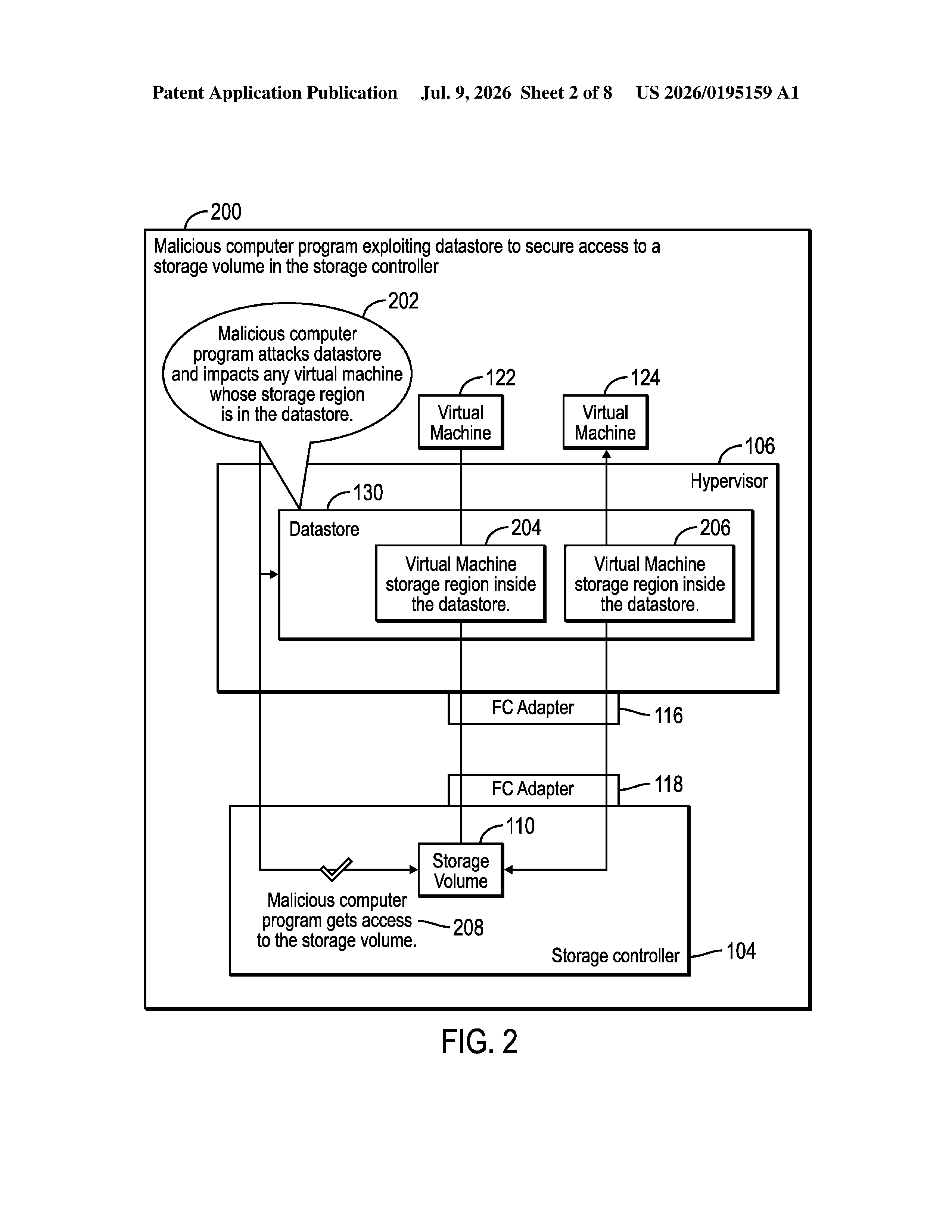
In cloud computing, multiple virtual machines (think of them as separate computers running inside one big physical server) often share the same pool of disk storage. Normally, the software layer managing those virtual machines is responsible for keeping their files separate. But if that software is misconfigured or attacked, one virtual machine could potentially read or overwrite another's data.
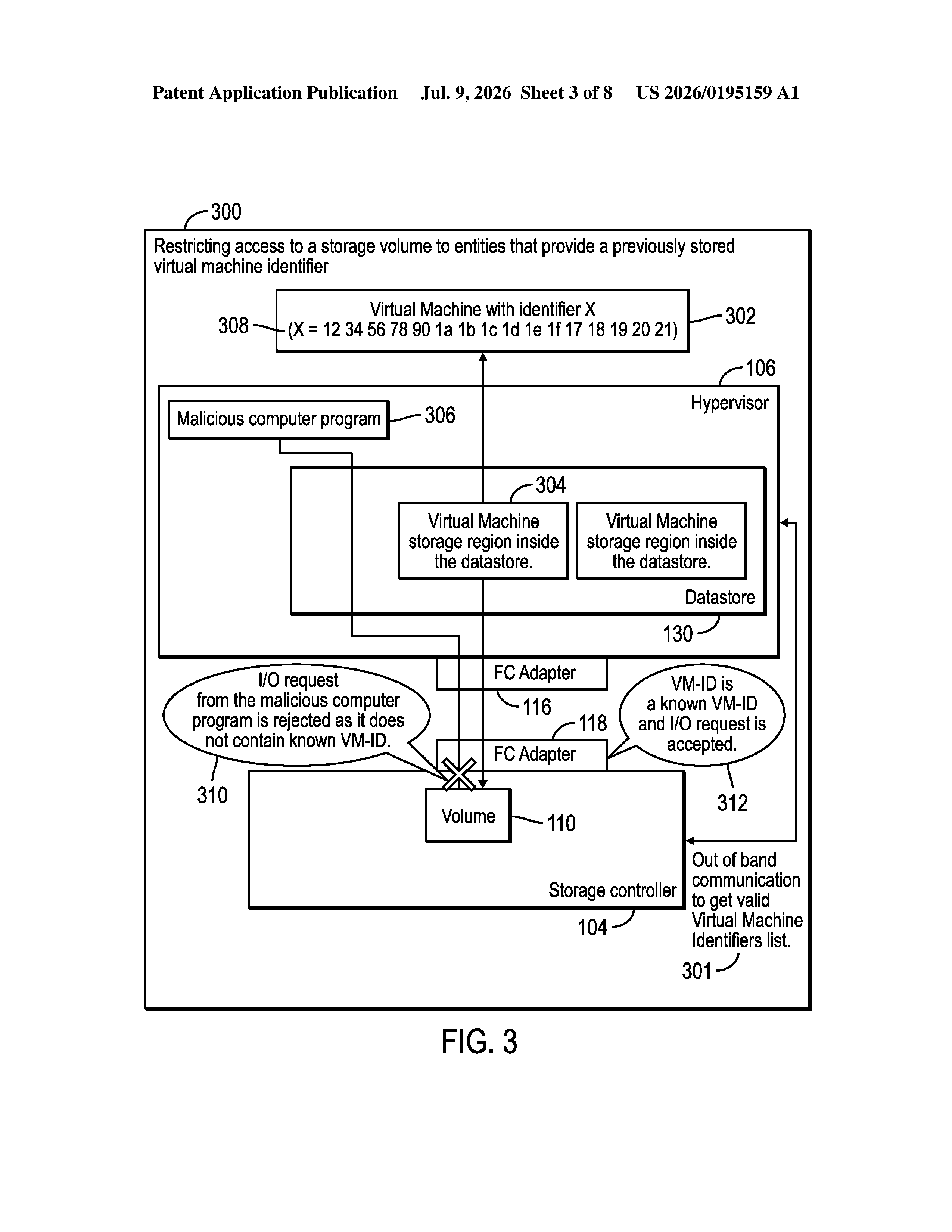
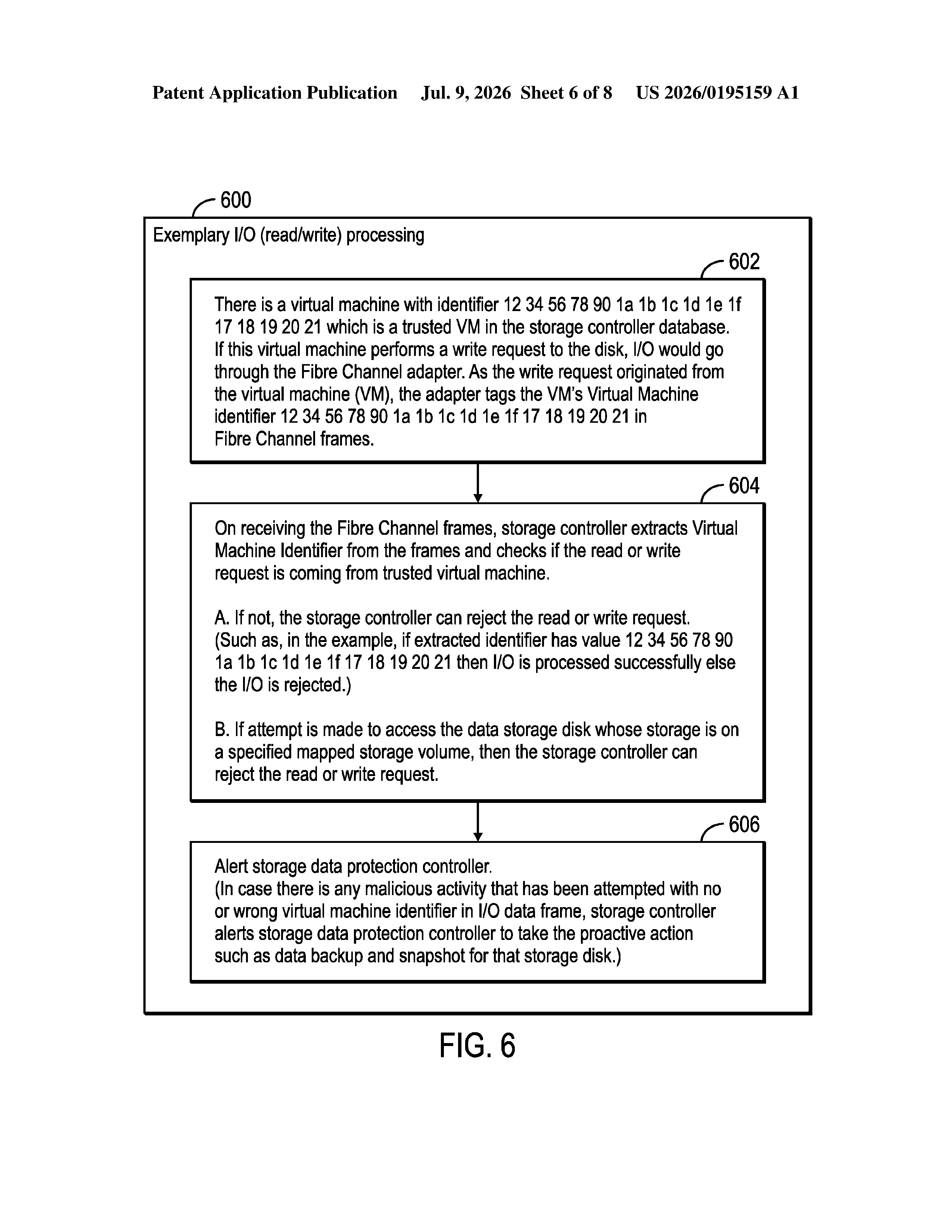
IBM's patent moves the ID check down to the storage hardware itself. Every read or write request now has to carry the correct virtual machine's ID tag. If it doesn't match what the storage controller has on record, the request is blocked outright, before anything is read or written. The lock isn't in software you can misconfigure; it's in the storage device.
How the storage controller checks VM identity per request
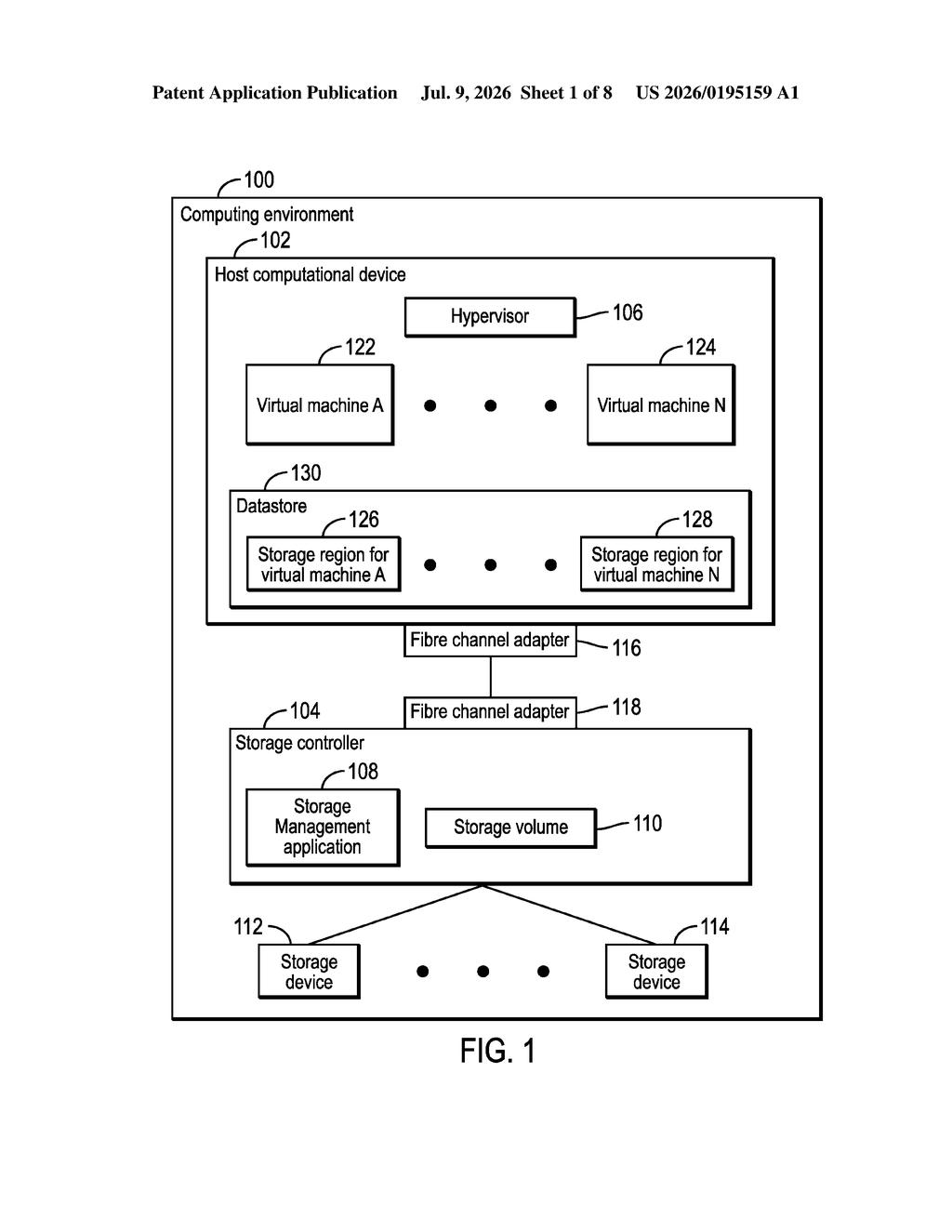
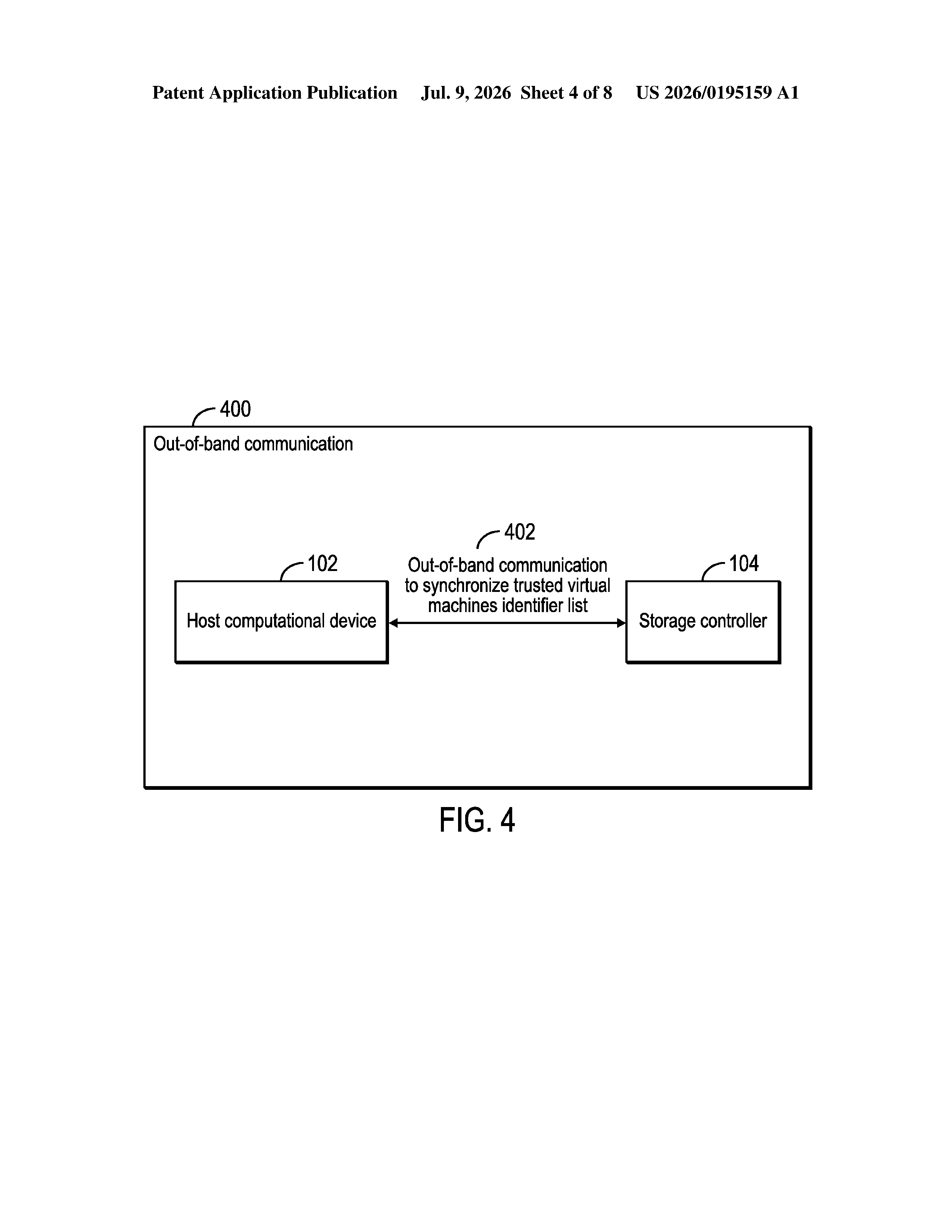
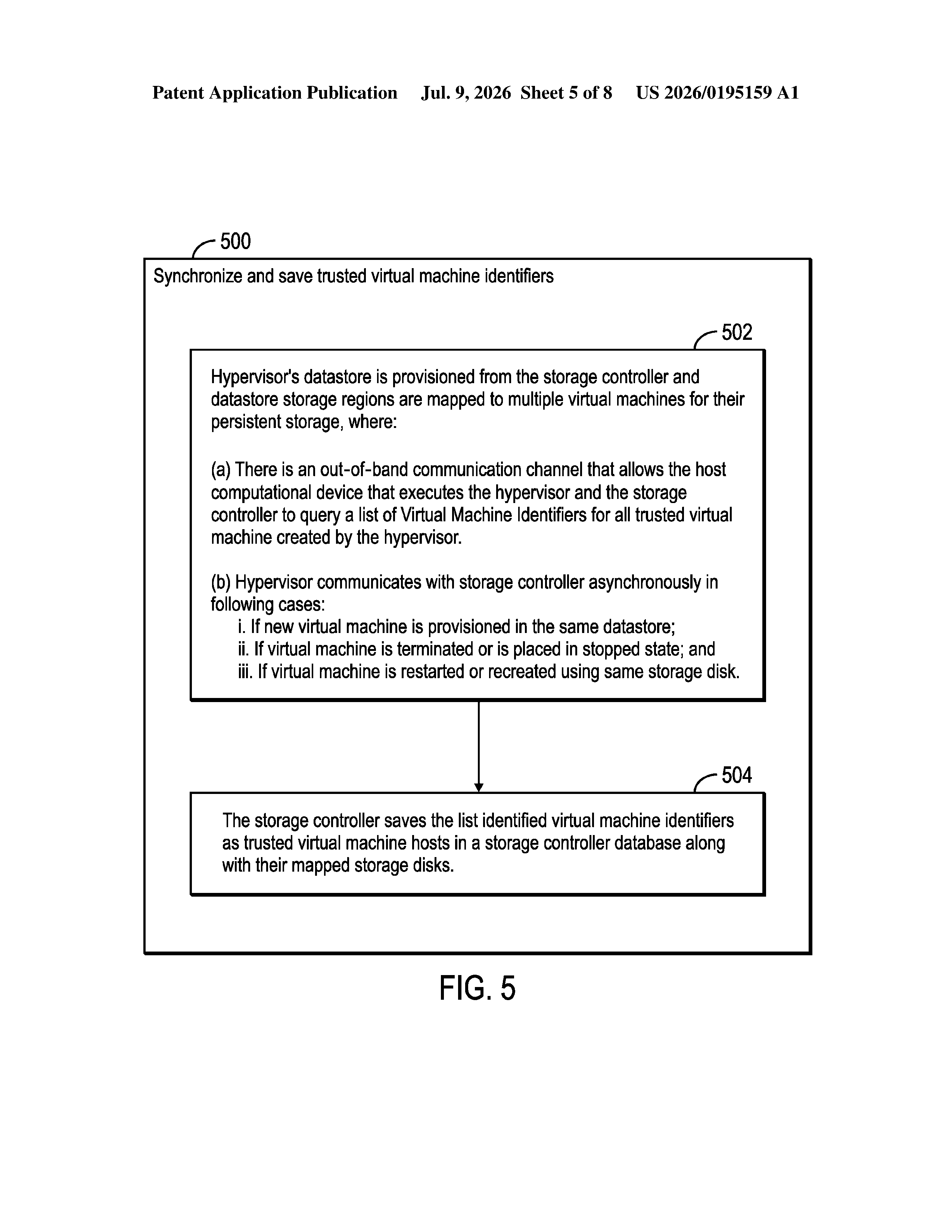
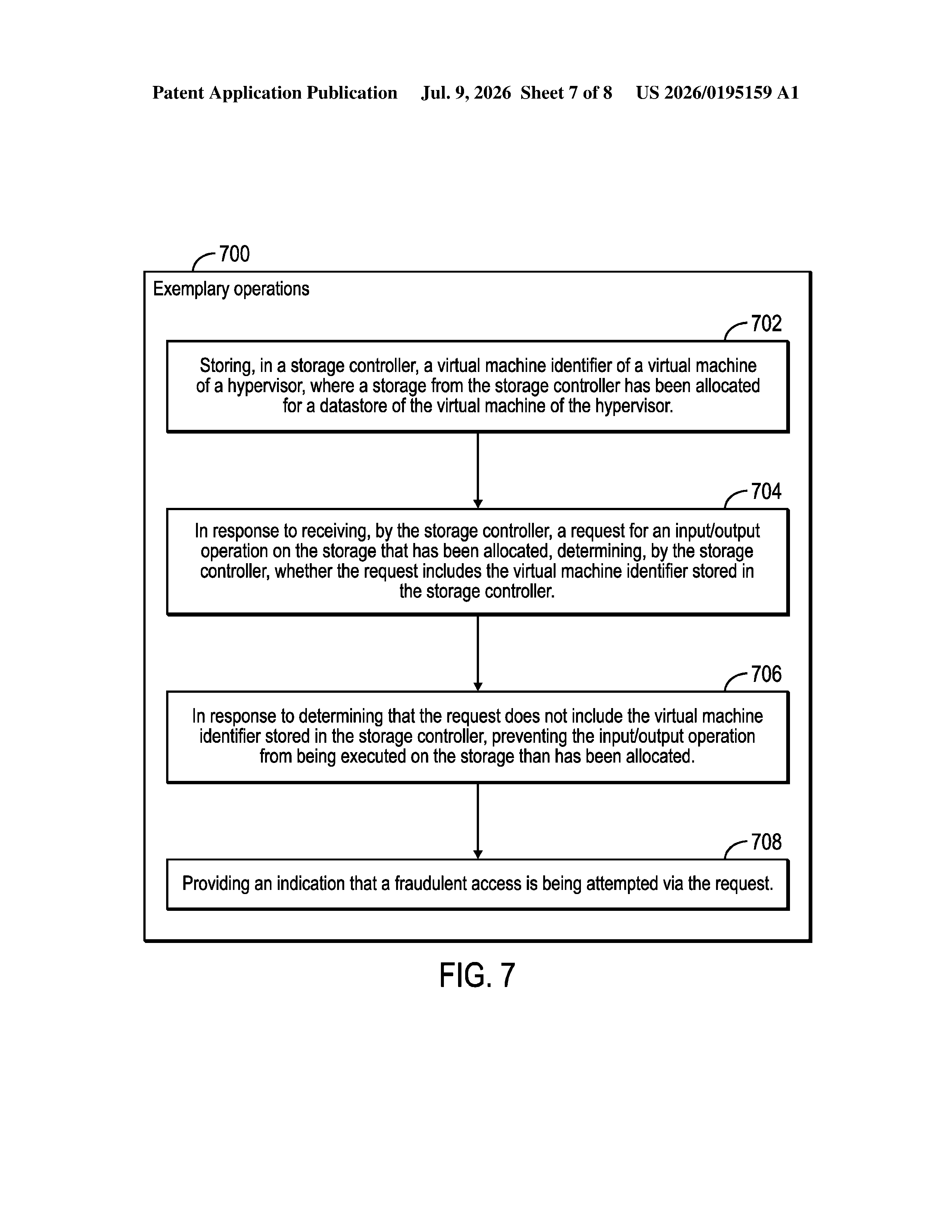
The patent describes a storage controller (the hardware or firmware that manages access to a disk or storage pool) that keeps a record of which virtual machine identifier is authorized to use each allocated chunk of storage.
When any read or write request arrives, the controller runs a simple but consequential check:
- Does this request include the correct VM identifier?
- If yes, the operation proceeds normally.
- If no (or the identifier is missing), the controller blocks the operation entirely.
The mechanism sits below the hypervisor (the software that creates and manages virtual machines, like VMware ESXi or Linux KVM). That positioning matters: even if the hypervisor itself is compromised or misconfigured, the storage controller enforces its own independent access control. A rogue VM or a buggy hypervisor can't simply issue raw storage commands and get a response.
The patent's first independent claim is deliberately broad, covering the general method of storing VM identifiers at the controller level and blocking unmatched I/O requests. The specific implementation (how identifiers are assigned, how the controller is provisioned) is left flexible.
What this means for cloud data isolation
Cloud providers and enterprise data centers run enormous numbers of virtual machines on shared hardware. Data isolation between tenants is one of their hardest security guarantees to make and prove. Today that isolation mostly depends on the hypervisor software doing its job correctly. IBM's approach adds a hardware-level backstop that doesn't rely on the hypervisor being perfect.
For you as a business using a cloud service, this kind of protection would mean that even if something goes wrong at the software layer above your storage, your data can't be silently accessed by another tenant's workload. For IBM, which sells both cloud infrastructure and storage hardware under its own brand, this patent covers a mechanism that could appear in products like IBM Storage Virtualize or its broader hybrid-cloud stack.
This is a straightforward but genuinely useful security idea. Moving access control from software you can misconfigure down to the storage layer is a sound defense-in-depth principle, and it addresses a real attack surface in multi-tenant environments. It's not flashy, but blocking cross-VM storage access at the hardware level is the kind of unsexy work that prevents the next cloud breach headline.
There are more where this came from
We read every patent application Big Tech publishes and send you the ones worth knowing. Plain English, free, every week.
The drawings
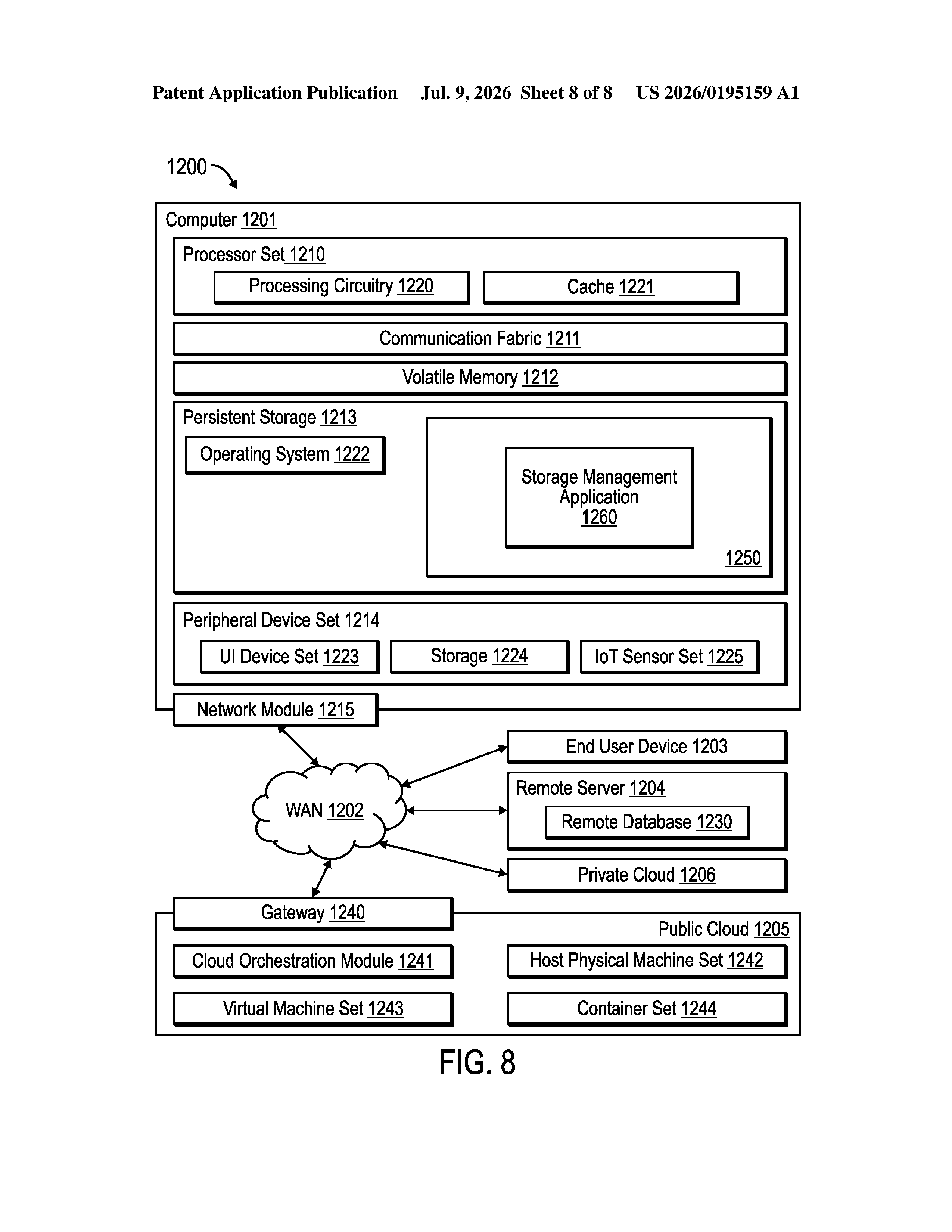
8 drawing sheets from US 2026/0195159 A1 · click any drawing to enlarge
Want this weekly breakdown for a company we don't cover? Patentlyze Pro →
Be the first to weigh in