
Qualcomm Patents a Way to Lock Video Frames in Sync Across Two Separate Screens
Ever watched a video split across two screens and noticed one side is ever-so-slightly ahead of the other? Qualcomm has filed a patent for a system that uses a shared timing signal — anchored by a third device — to keep both screens locked in step.
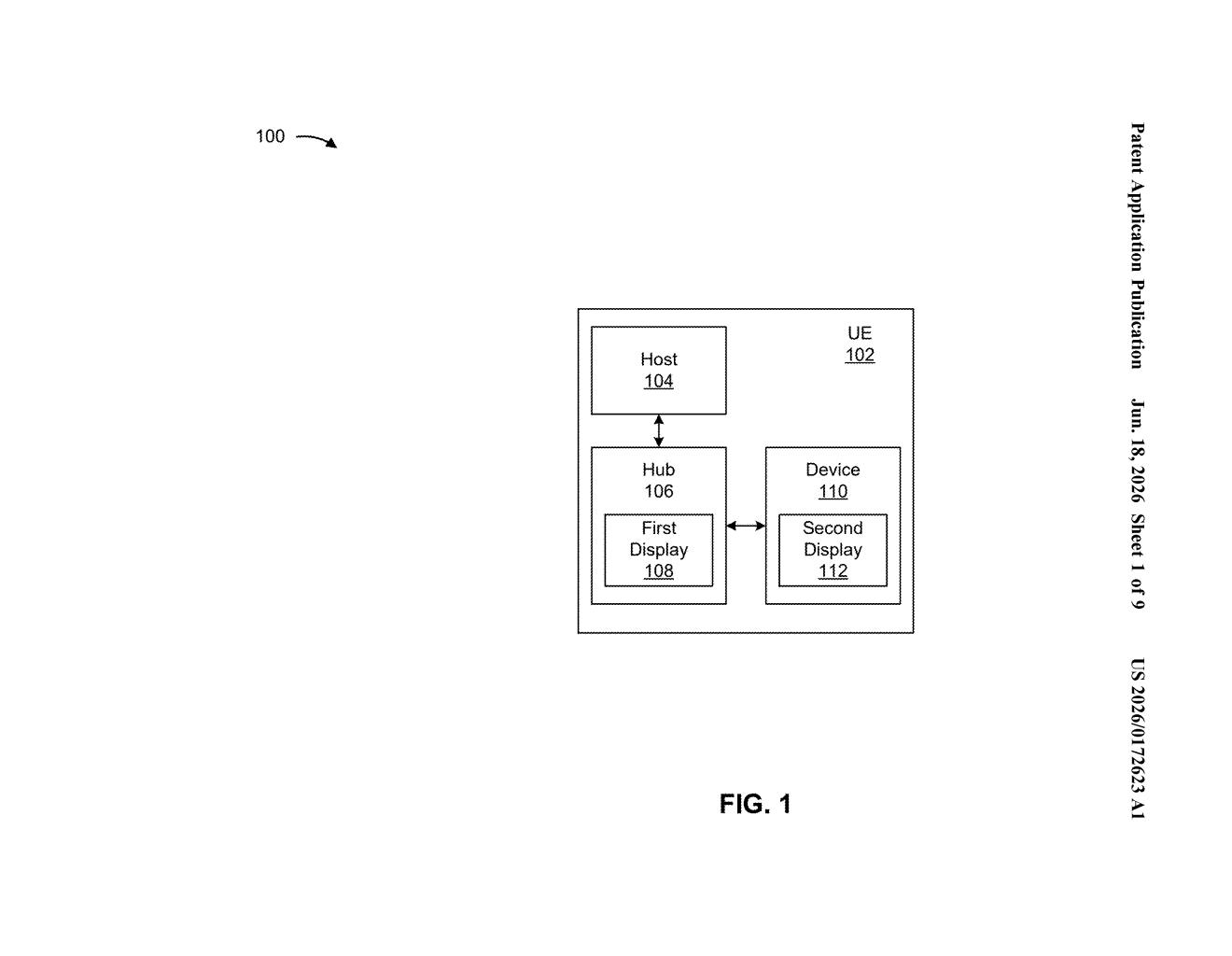
What Qualcomm's cross-device frame sync actually does
Imagine you're using two separate screens — say, a phone and a tablet — to display a video together, like a split-screen sports broadcast or a shared gaming display. The problem is that each device runs on its own internal clock, and those clocks drift apart over time, causing one screen to show a slightly different frame than the other.
Qualcomm's patent describes a fix: bring in a third device to act as the official timekeeper. Both screens look to that third device for a shared reference clock, then use it to coordinate which video frame they're showing at any given moment.
The result is that both displays stay in sync — showing the same frame at the same time — without either device having to constantly negotiate with the other. It's a bit like two musicians both following the same conductor instead of trying to follow each other.
How a third device keeps two displays ticking together
The patent describes a three-device architecture where a first device (say, a phone or PC) and a second device (another screen or display unit) both connect to a third device that acts as a timing authority.
The first device reads the timing signal coming from the third device — think of it as a shared heartbeat — and uses that signal to figure out exactly when to display each video frame. It then performs video frame synchronization (the process of aligning which frame appears on screen at which exact millisecond) between its own display and the second device's display, using that shared reference rather than each device's own internal clock.
Key elements of the system include:
- A reference timing signal maintained simultaneously at both the first and second device
- A third device that generates and distributes that timing signal
- Frame sync logic on the first device that adjusts display output based on the shared clock
The patent doesn't specify exactly what type of devices or connection protocols are involved, keeping the claims broad enough to cover Wi-Fi, Bluetooth, wired, or other links.
What this means for multi-screen streaming setups
Multi-screen video experiences are increasingly common — think extended desktop setups, collaborative viewing apps, or XR headsets paired with a companion device. The core problem has always been that independent hardware clocks drift, making true frame-level sync between two separate screens very hard without a centralized reference. Qualcomm's approach of outsourcing the timekeeping to a neutral third device is a practical architectural answer to that problem.
For Qualcomm specifically, this fits squarely into its work on wireless display technology (it owns the Snapdragon and Wi-Fi chipset ecosystem that powers many streaming and XR devices). A patent like this could underpin future multi-device AR or VR experiences where visual coherence across displays is critical to avoiding disorientation.
This is a straightforward but genuinely useful infrastructure patent — the kind that doesn't grab headlines but quietly solves a real engineering headache in multi-screen video. The three-device timing architecture is clever in its simplicity. Whether it leads anywhere depends entirely on whether Qualcomm builds the right product ecosystem around it.
There are more where this came from
We read every patent application Big Tech publishes and send you the ones worth knowing. Plain English, free, every week.
Want this weekly breakdown for a company we don't cover? Patentlyze Pro →