
IBM Patents a System That Picks the Cheapest Drone Delivery Route in Real Time
Before a drone ever leaves the ground, IBM's patent wants a computer to have already calculated the cheapest possible path, chosen the right aircraft, and verified the cargo, all at the same time.
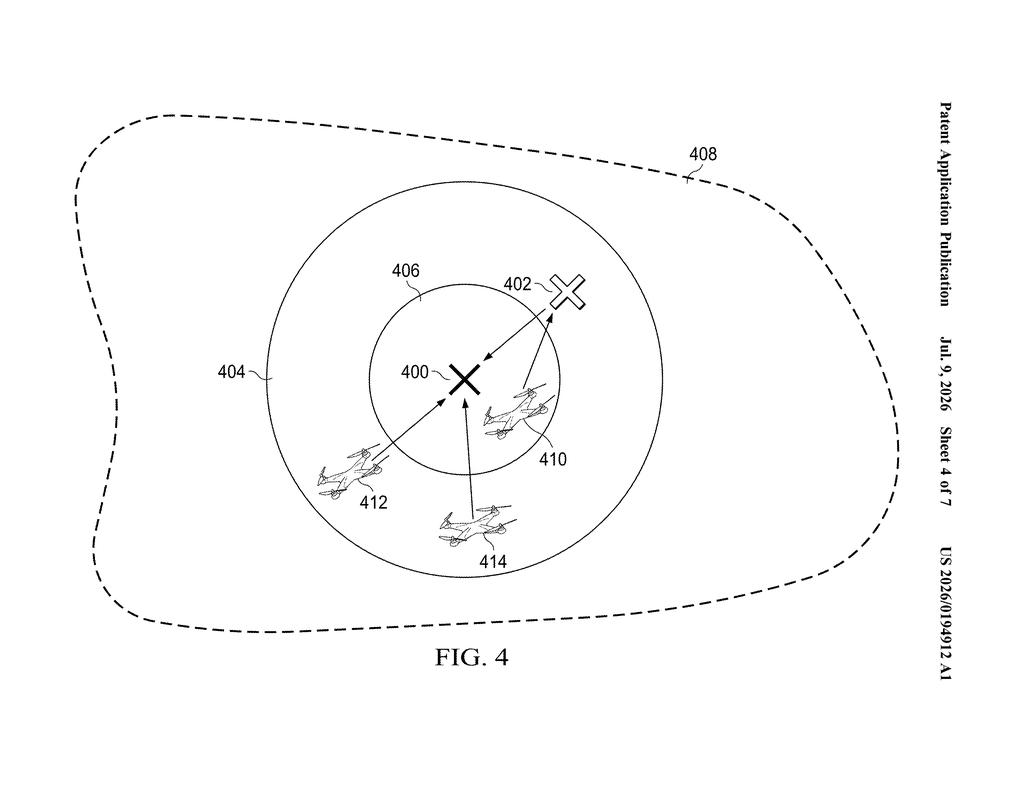
What IBM's drone-routing system actually does
Imagine a warehouse that gets a delivery order and has a dozen drones sitting on the roof. Which one do you send? The one that's already mid-flight and almost free? The bigger one that can carry more but burns more battery? IBM's patent describes software that figures all of that out automatically.
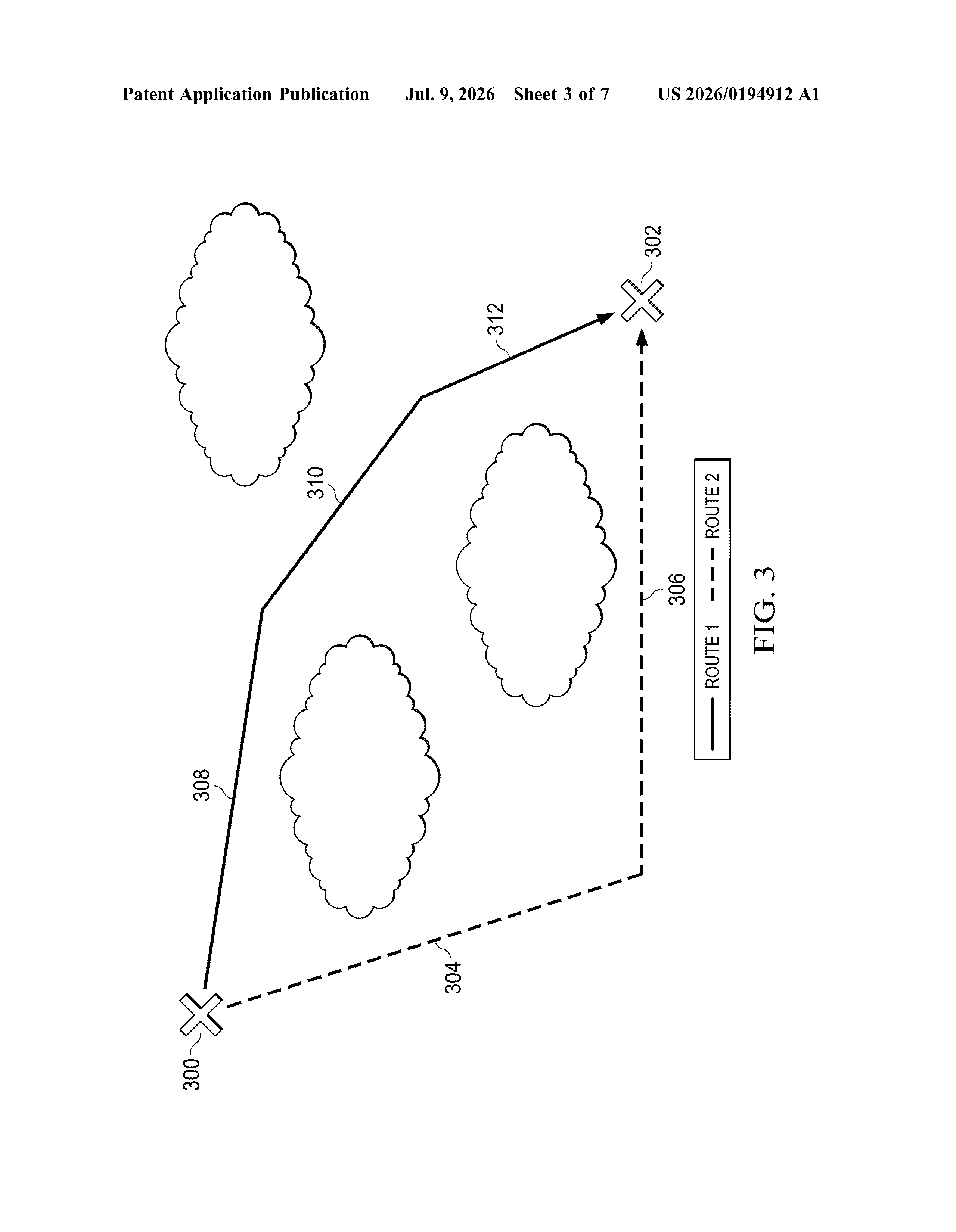
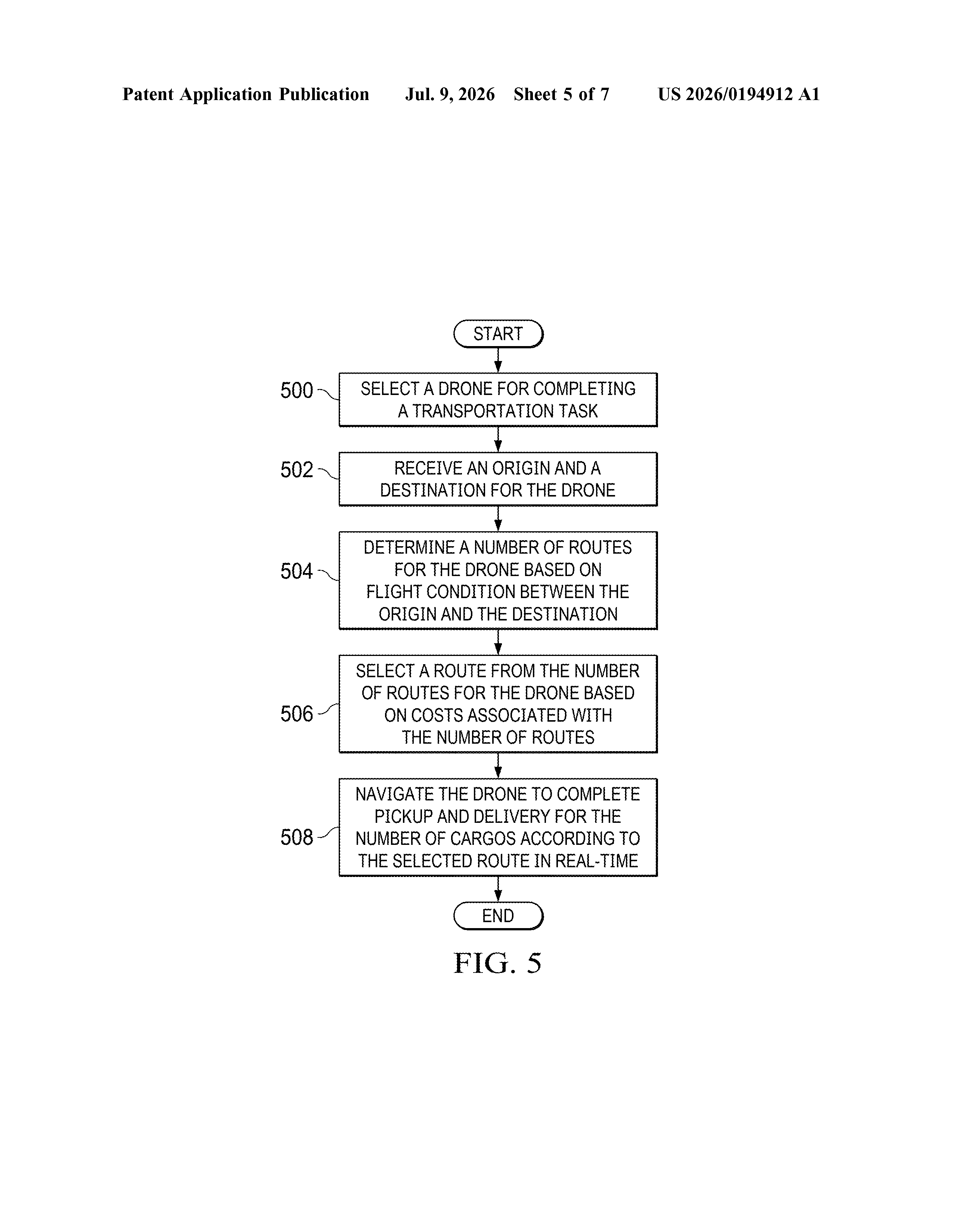
The system picks a drone based on how soon it can be available and whether it has enough cargo space. At the same time, it maps out possible flight paths based on real-time weather and airspace conditions. Then it scores each route using a checklist that includes energy use, how hard the flight is on the drone's parts, distance, time, and how heavy the load is.
The winning route is the one with the lowest combined cost across all those factors, not just the shortest distance. Once chosen, the system guides the drone through pickup and delivery without a human having to manage each step.
How the system scores routes and picks drones
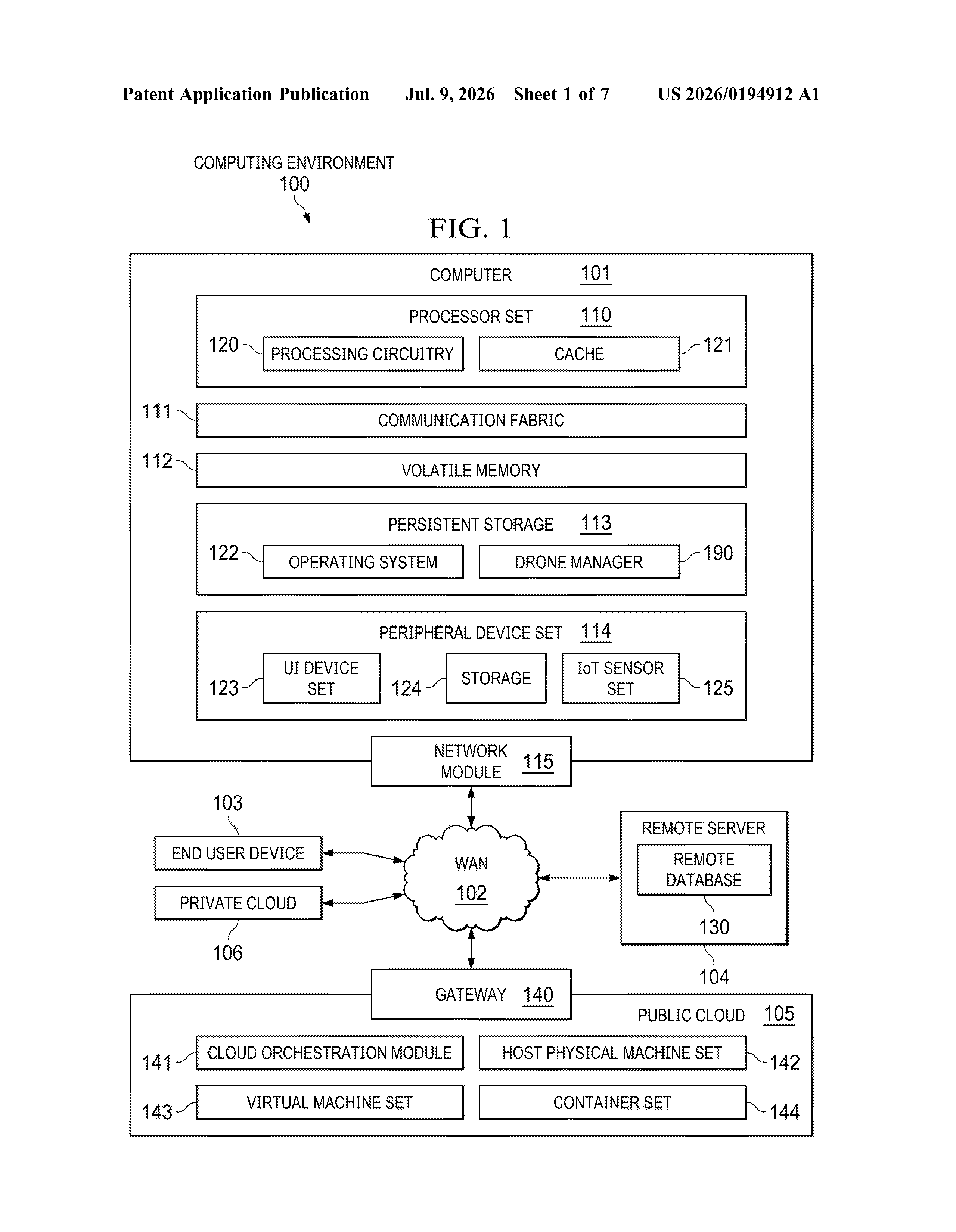
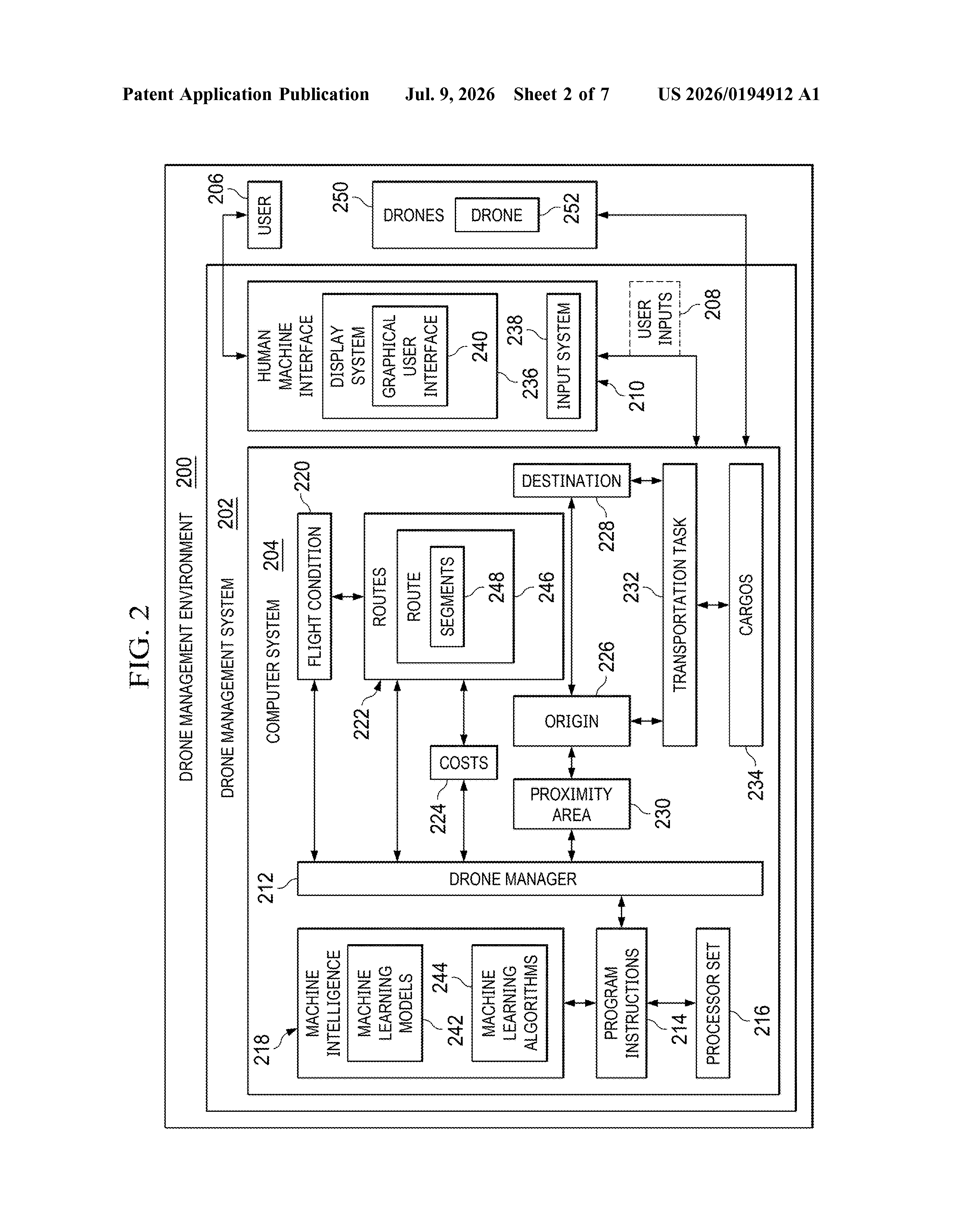
The patent describes a computer-managed drone dispatch system that handles several decisions simultaneously rather than one after another. When a new delivery task comes in, the software does four things at once:
- Validates the delivery order itself
- Collects information about the cargo (weight, dimensions, handling requirements)
- Selects the most appropriate drone from a fleet
- Calculates a set of candidate flight routes
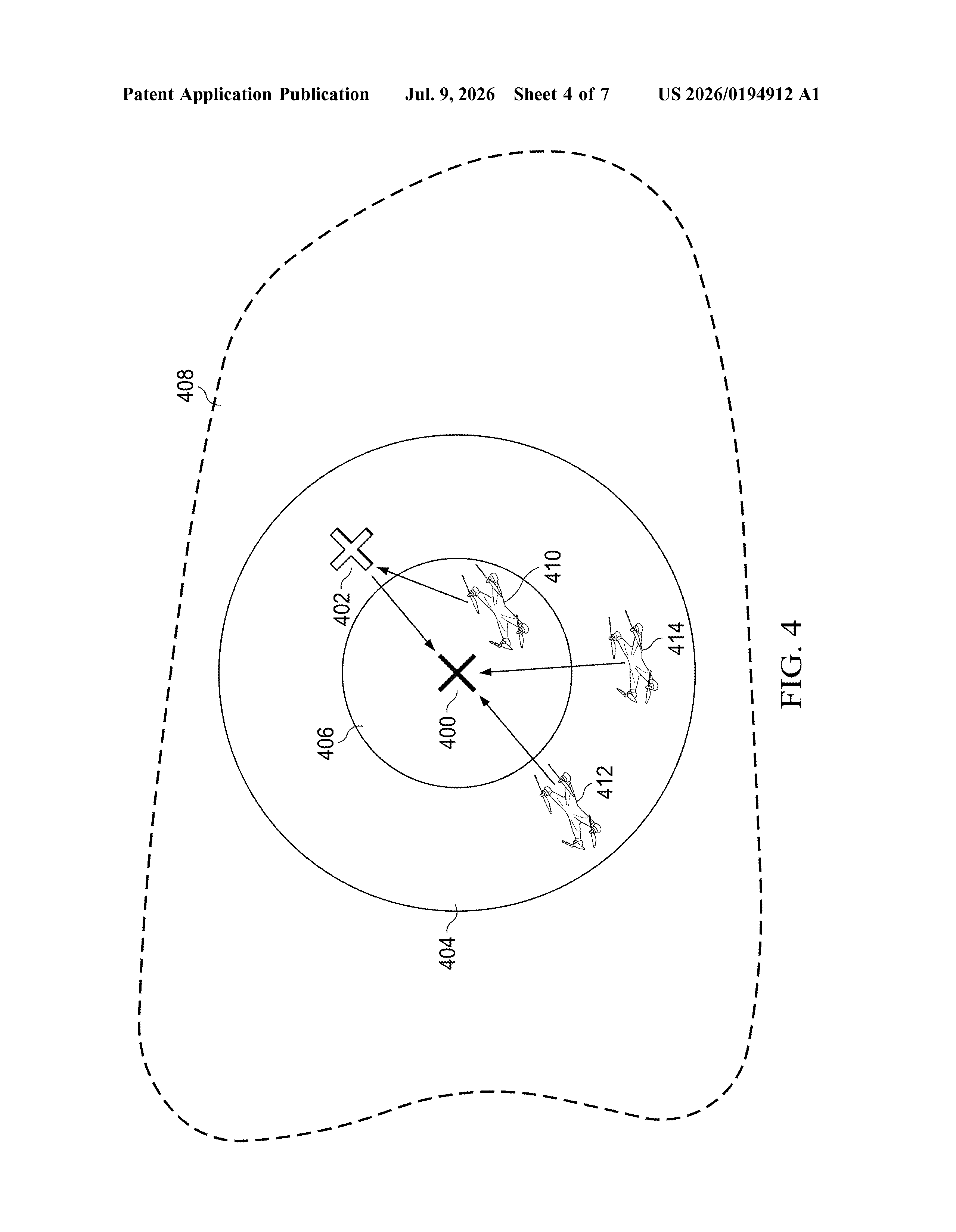
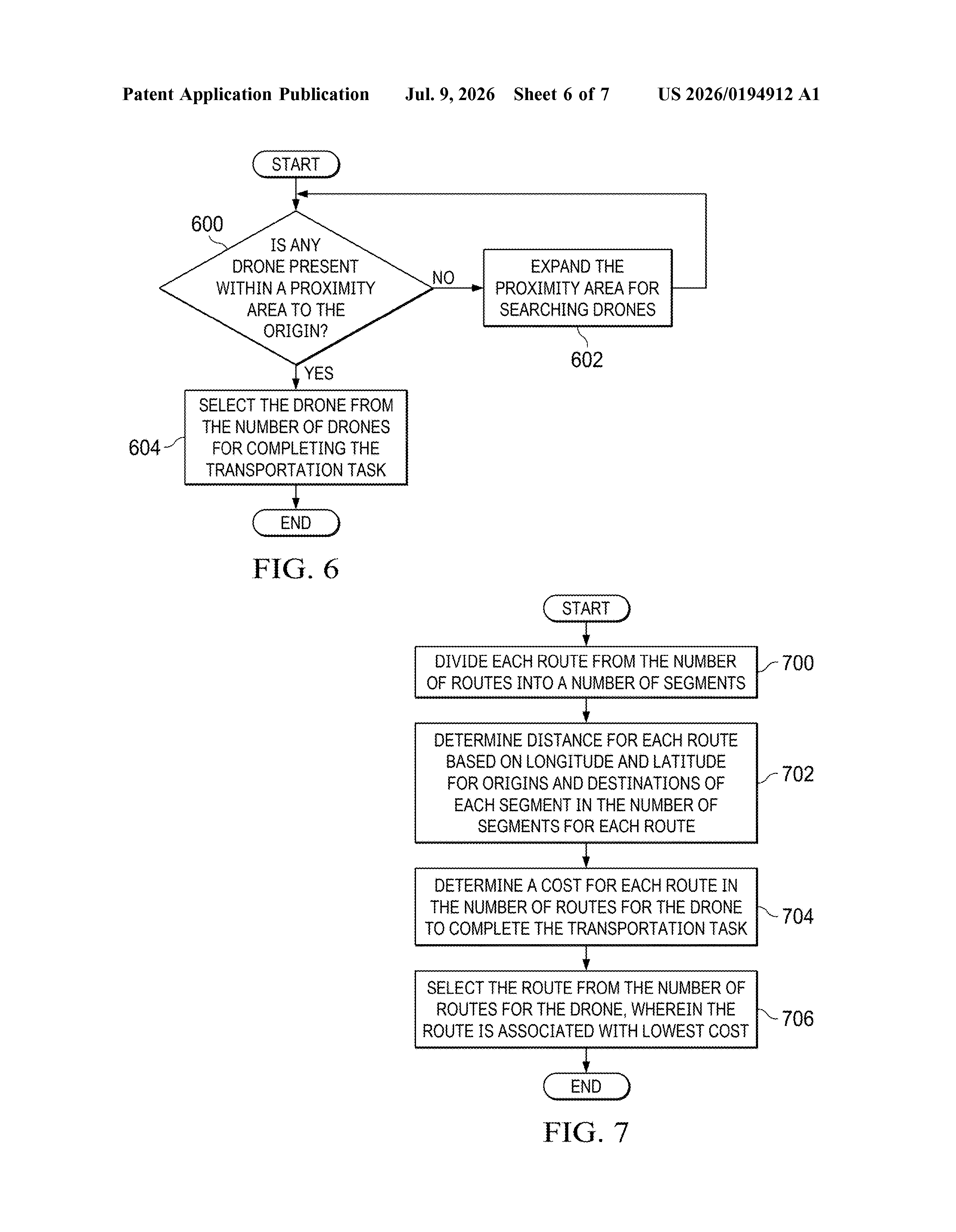
Drone selection is based on two variables: lead time (how long before a given drone is free from its current job) and capacity (whether it can physically carry the new cargo). This prevents assigning a job to a drone that's either too small or stuck in a long prior run.
Route scoring uses a multi-factor cost model, meaning no single variable wins automatically. The system weighs energy consumption (battery drain), maintenance wear, route length, travel time, load weight, and how efficiently the drone's cargo space is being used. A shorter route that burns twice the battery might lose to a slightly longer one that's gentler on both power and parts.
Navigation then follows the selected route in real time, meaning the system can presumably adjust if conditions change mid-flight, though the patent's claim focuses on the pre-flight optimization step.
What this means for commercial drone delivery
Drone delivery is still largely a logistics puzzle rather than a technology one. Companies like Amazon, Wing, and Zipline have functional drones, but scaling up means making hundreds of dispatch decisions per hour without human operators in the loop. A system that can simultaneously validate orders, pick aircraft, and score routes cuts the time between order and takeoff, which is where most delays happen today.
The multi-factor cost model is the part worth watching. Right now, most drone routing prioritizes distance or battery life alone. If IBM's approach accounts for maintenance wear as a real cost, it could meaningfully extend fleet lifespans in a business where drone hardware is expensive and replacement parts are a recurring budget line.
This is a practical, unglamorous piece of logistics software and that's not a criticism. The interesting part is the simultaneous processing design, doing route planning, drone selection, and cargo validation in parallel rather than sequentially, which is a real engineering choice with real time-savings implications. It won't make headlines, but if IBM licenses this to a carrier or builds it into a cloud service, it's the kind of infrastructure patent that earns money for years.
There are more where this came from
We read every patent application Big Tech publishes and send you the ones worth knowing. Plain English, free, every week.
The drawings
7 drawing sheets from US 2026/0194912 A1 · click any drawing to enlarge
Want this weekly breakdown for a company we don't cover? Patentlyze Pro →
Be the first to weigh in