
Samsung Patents a Memory Layout Trick to Speed Up AI Chip Math
The bottleneck slowing down AI chips is often not the math itself — it's how long the chip spends hunting for the numbers. Samsung's new patent targets exactly that delay.
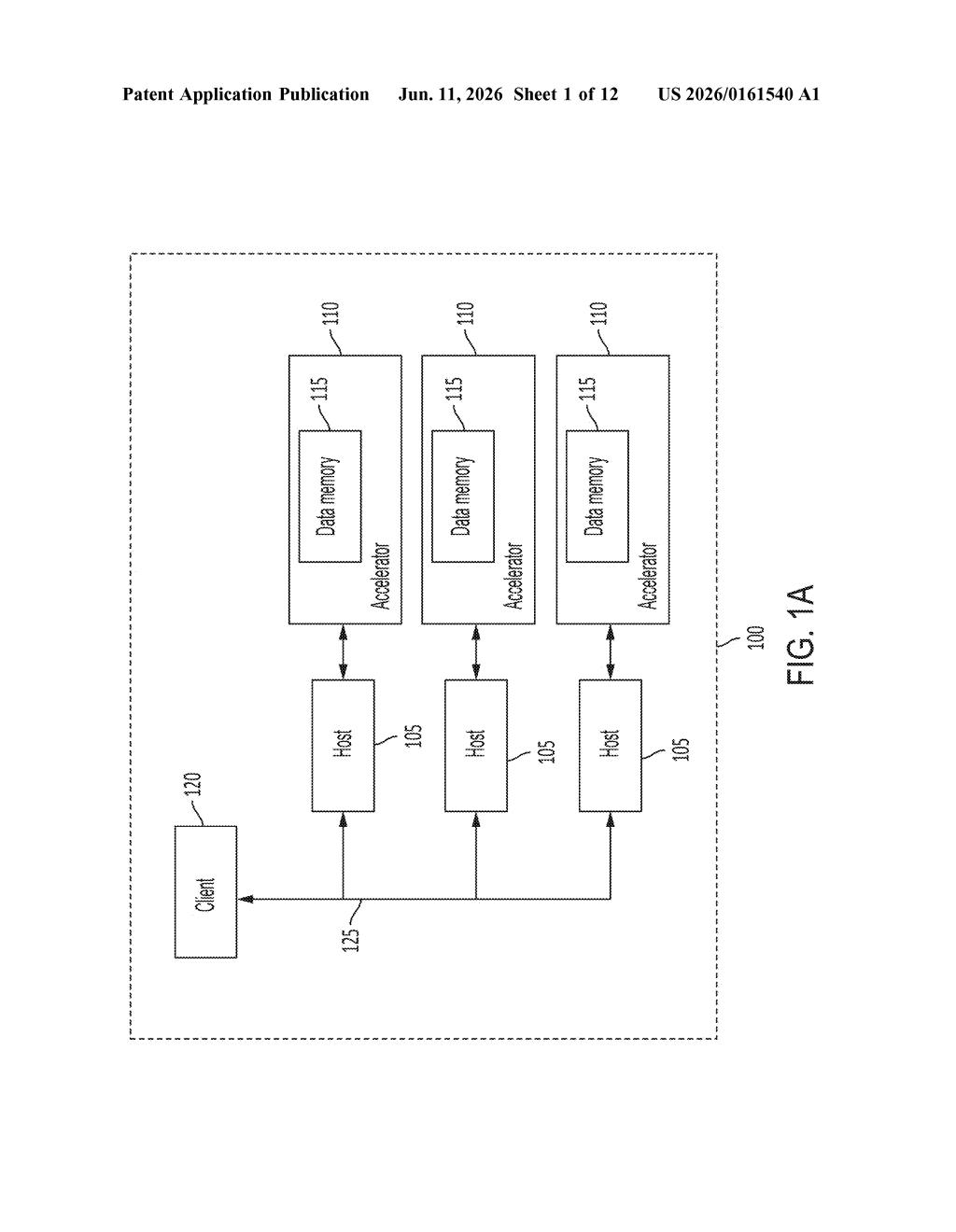
What Samsung's matrix data-placement patent actually does
Imagine a chef who, instead of grabbing ingredients from random shelves mid-cook, preps everything on the counter before starting. The cooking itself doesn't change — but it's much faster because there's no searching.
Samsung's patent applies the same logic to AI chips. When an AI model does math (specifically the giant multiplication tables that power things like image recognition or language models), the chip needs to pull numbers from memory constantly. If those numbers are scattered around, the chip wastes time fetching them. Samsung's approach reorganizes the data — grouping the numbers an AI calculation will need together in one continuous block — before the math starts.
The result is that the chip's memory unit spends less time hunting and more time doing useful work. It's a behind-the-scenes plumbing fix, not a flashy new feature, but this kind of optimization is exactly what separates fast AI hardware from great AI hardware.
How Samsung rearranges tiles before the math runs
At the heart of almost every AI workload is matrix multiplication — a math operation where two grids of numbers are multiplied together. Modern AI chips break those grids into smaller chunks called tiles, process them one at a time, and reassemble the results.
The patent describes a method for how those tiles are stored in the accelerator's memory before processing begins. Specifically, it:
- Takes a tile (a small sub-section of the full data grid, called a tensor)
- Rearranges the elements within that tile into a new order (the "rearranged tile")
- Stores related row and column vectors — the lines of numbers the multiplier will need together — in contiguous memory locations (meaning side-by-side, with no gaps)
Why does adjacency matter? AI accelerators fetch data from memory in fixed-size chunks. If the numbers needed for one calculation are scattered, the chip wastes bandwidth fetching blocks that contain mostly irrelevant data. Packing the right numbers next to each other means each memory fetch is more useful, reducing what engineers call memory access overhead — the hidden tax paid every time the chip goes looking for data.
The patent is filed under Samsung's accelerator hardware work, suggesting it targets their in-house AI chip designs rather than general-purpose processors.
What this means for Samsung's AI accelerator ambitions
Memory bottlenecks — not raw compute power — are increasingly the reason AI chips underperform their theoretical specs. A chip can have enormous math throughput, but if it's constantly waiting for data, that power sits idle. Patents like this one show Samsung is working on the unglamorous but critical layer between raw silicon and software: how data is physically arranged when calculations run.
For you as a consumer, the downstream effect is AI features — on a phone, a camera, or a smart speaker — that respond faster or run on less power. For Samsung's business, it's about making their Exynos and custom AI accelerator chips more competitive with Qualcomm, Apple, and Nvidia in a market where every millisecond of efficiency matters.
This is quiet, infrastructure-level work — the kind of patent that never shows up in a product keynote but ships inside every accelerator that comes out of Samsung's fab. Memory layout optimization for matrix math is a well-known problem, and the claim here is narrow enough that it reads more like a specific implementation detail than a broad strategic move. Worth filing; not worth breathless coverage.
There are more where this came from
We read every patent application Big Tech publishes and send you the ones worth knowing. Plain English, free, every week.
Want this weekly breakdown for a company we don't cover? Patentlyze Pro →