
Samsung Patents a System That Copies Accessibility Settings From One Screen to Another
If you've ever set up large text or high-contrast mode on your phone, only to squint at a TV that knows nothing about your preferences, Samsung's latest patent is aimed squarely at that frustration.
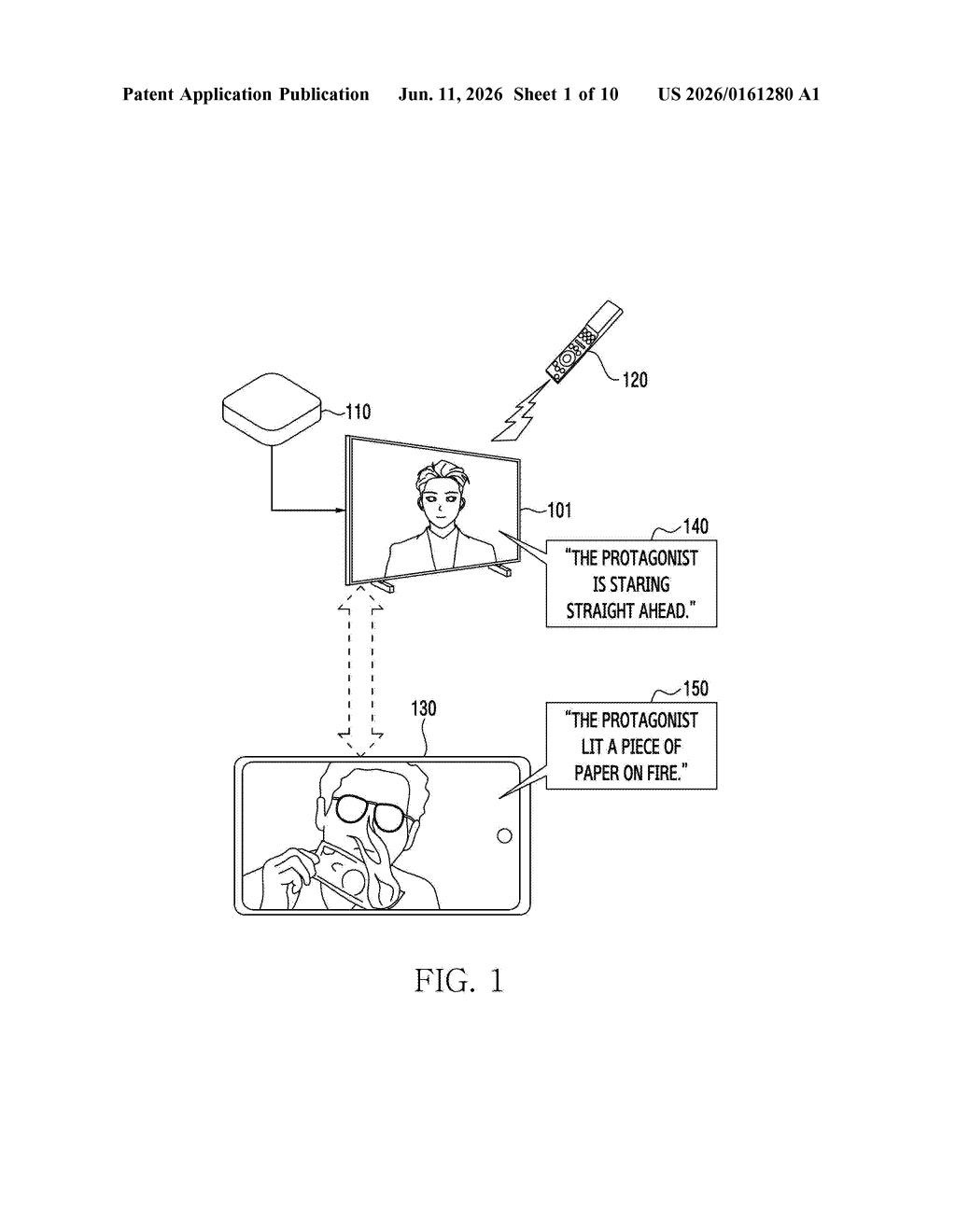
What Samsung's accessibility sync actually does for you
Imagine you use your phone with high-contrast colors or extra-large text because of a visual impairment. You walk up to a Samsung smart TV — and the TV just figures that out on its own, switching its display to match what your phone is already doing. That's the core idea here.
Samsung is patenting a way for one device to detect a nearby second device, ask it which accessibility features are turned on, and then automatically activate the matching features on itself. So if your phone is running a screen reader or a color-filter for color blindness, the TV (or tablet, or monitor) you connect to can do the same — without you digging through settings menus.
The patent covers any two Samsung devices communicating over a wireless connection. The receiving device doesn't just copy a setting blindly — it finds its own closest equivalent feature and runs that instead, which is important because not every device has identical accessibility options.
How the device detects and mirrors accessibility functions
The patent describes a two-device handshake. When an electronic device (say, a smart TV or a secondary tablet) detects an external electronic device (your phone or laptop) nearby via its communication circuitry — think Bluetooth, Wi-Fi Direct, or a similar short-range link — it requests a list of which accessibility functions that external device is currently running.
The receiving device then compares that list against its own menu of available accessibility features and finds the closest match. This matching step matters: a phone might have a setting called "color inversion," while a TV might call a similar feature "high-contrast mode." The patent accounts for this mismatch by having the device identify a functionally equivalent option rather than a literal copy.
Once the match is found, the device executes its own version of the feature, specifically to change how media content is displayed on screen. The patent language is careful to say the device runs "at least" one accessibility function, leaving room for multiple features syncing at once.
- Step 1: Detect a nearby external device via wireless communication
- Step 2: Retrieve that device's active accessibility settings
- Step 3: Find the closest matching features available locally
- Step 4: Execute those features to alter the on-screen display
What this means for Samsung's accessibility ecosystem
For the roughly 1.3 billion people worldwide who live with some form of disability, re-configuring accessibility settings every time they switch screens is a real daily friction point. A system that handles this automatically — even across devices from the same manufacturer — would remove a meaningful barrier. Samsung's Galaxy ecosystem, which spans phones, tablets, TVs, and monitors, is exactly the kind of multi-device environment where this would actually get used.
The practical catch is that it only helps users who stay within Samsung's product family. Cross-brand accessibility syncing — your Samsung phone talking to an LG TV, for instance — isn't part of this patent. Still, as a first step toward a world where your accessibility preferences follow you from screen to screen, it's a genuinely useful direction.
This is one of those patents that's easy to overlook because it doesn't involve AI or flashy hardware — but it solves a real problem that affects millions of people every day. The idea that your accessibility preferences could travel with you across devices is long overdue, and Samsung is in a uniquely good position to ship it given the breadth of their consumer electronics lineup.
There are more where this came from
We read every patent application Big Tech publishes and send you the ones worth knowing. Plain English, free, every week.
Want this weekly breakdown for a company we don't cover? Patentlyze Pro →