
Samsung Patents a Storage System That Baits and Slows Ransomware Attacks
What if your hard drive could catch ransomware in the act — not by recognizing it, but by letting it stumble into a trap? That's the idea behind Samsung's latest storage patent.
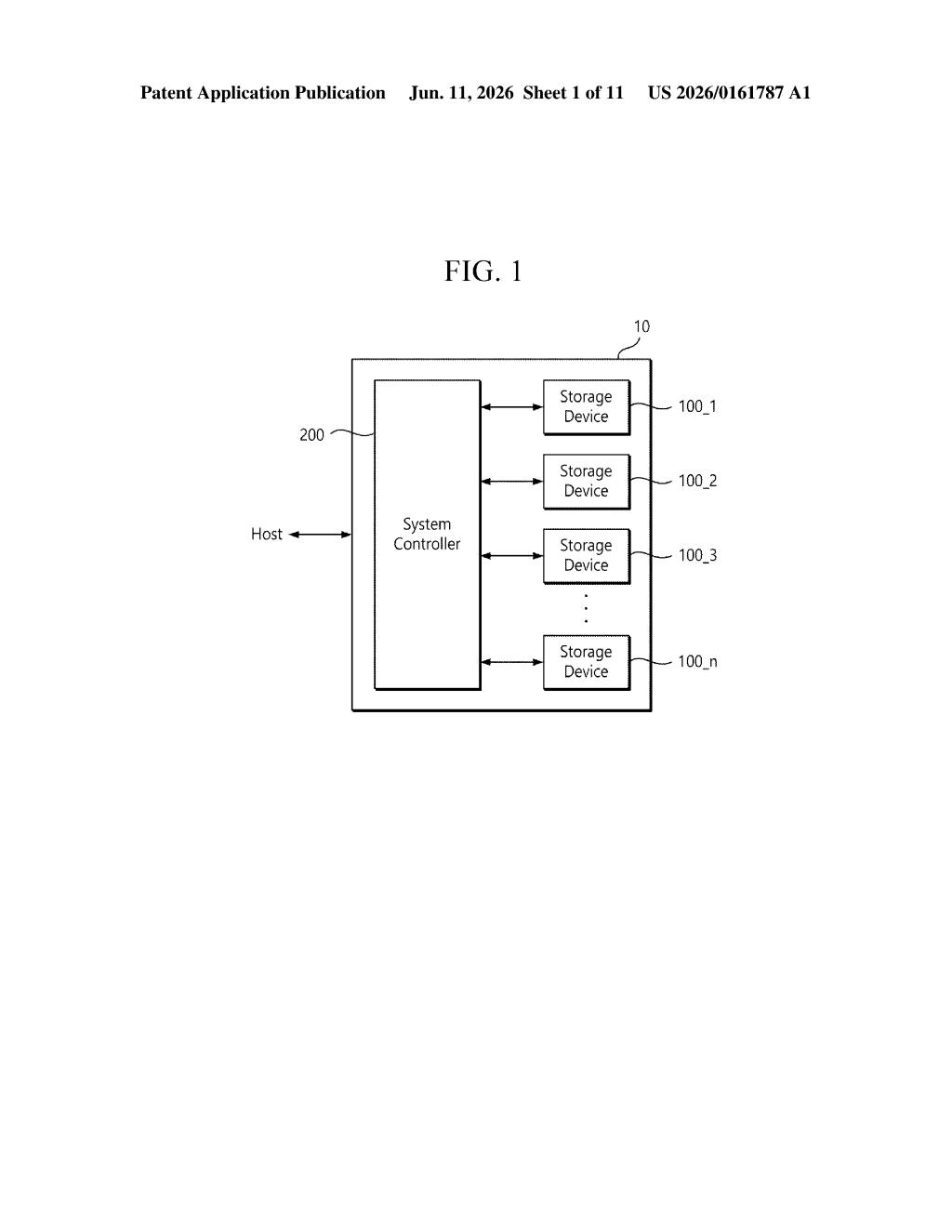
How Samsung's decoy-file ransomware trap actually works
Imagine leaving a fake wallet on your desk to catch a thief. The moment they pick it up, you know something's wrong — and you can act before they reach your real valuables. Samsung's new patent does something similar for your data storage.
The system plants hidden "trap files" across multiple drives. Legitimate software has no reason to touch those files. But ransomware — the kind of malware that quietly encrypts everything it can reach — will stumble across them while scanning for files to lock up. The moment a drive detects that something touched a trap file, it sends an alert to a central controller.
Once that alert goes out, the controller does two things: it slows down the offending drive dramatically, buying time, and it launches a deeper scan of the suspicious commands that triggered the alarm. Think of it as a speed bump that appears the instant a burglar touches the tripwire.
How the trap file triggers a speed throttle and scan
The patent describes a storage system made up of multiple drives all managed by a single system controller — the kind of setup common in enterprise servers and data centers.
Each drive holds a trap file sitting in a designated trap area. These files are deliberately invisible to normal applications; nothing in a healthy system should ever open or modify them. When any process does access a trap area, the drive immediately fires an outlier notification — an alert — up to the system controller.
The controller then takes two parallel actions:
- Throttles the drive's operating speed — slowing it down so malware can't rapidly encrypt or exfiltrate large amounts of data while the investigation runs.
- Performs a malware detection operation — scrutinizing the specific commands that were issued around the time of the trap access to identify what the suspicious process was actually trying to do.
The elegance here is that the trap doesn't need to recognize a known malware signature in advance. It catches behavior — any unauthorized access to a file that should never be touched — which means it can flag novel or never-before-seen ransomware strains that traditional antivirus would miss.
What this means for enterprise storage and ransomware defense
Ransomware is one of the most expensive problems in enterprise IT, and most defenses work by recognizing malware before it runs. Samsung's approach flips that: it assumes the attacker is already inside and focuses on catching and slowing the damage in real time. That's a meaningful shift, because modern ransomware is often designed specifically to evade signature-based detection.
For data centers and cloud storage operators, a system that can automatically throttle a compromised drive — even for a few extra seconds — could be the difference between a manageable incident and a full backup restore. If Samsung integrates this into its enterprise SSD or NVMe controller lineup, it could become a quiet but important layer of infrastructure-level security that operates below the operating system, where most ransomware defenses don't reach.
This is a genuinely practical security idea, and the fact that it lives at the hardware level rather than the software level is the whole point — malware can disable antivirus, but it can't easily disable the drive's own controller. The trap-file concept (sometimes called a 'honeypot') is well-established in network security; Samsung adapting it for storage controllers is a logical and overdue move. Watch for this in future Samsung enterprise SSDs.
There are more where this came from
We read every patent application Big Tech publishes and send you the ones worth knowing. Plain English, free, every week.
Want this weekly breakdown for a company we don't cover? Patentlyze Pro →