Samsung's Next-Gen SSD Patents, and what they point to
This watchlist tracks Samsung's SSD patents that target data corruption, chip defects, voltage spikes, and ransomware, alongside filings that speed up reads, writes, and compression. Together they suggest Samsung is building drives that catch their own errors and defend themselves before a problem ever reaches the user.
37 filings
· tracking since Jun 2026 · latest Sep 2026 · updates weekly
based on all tracked filings in this watchlist · refreshes every week
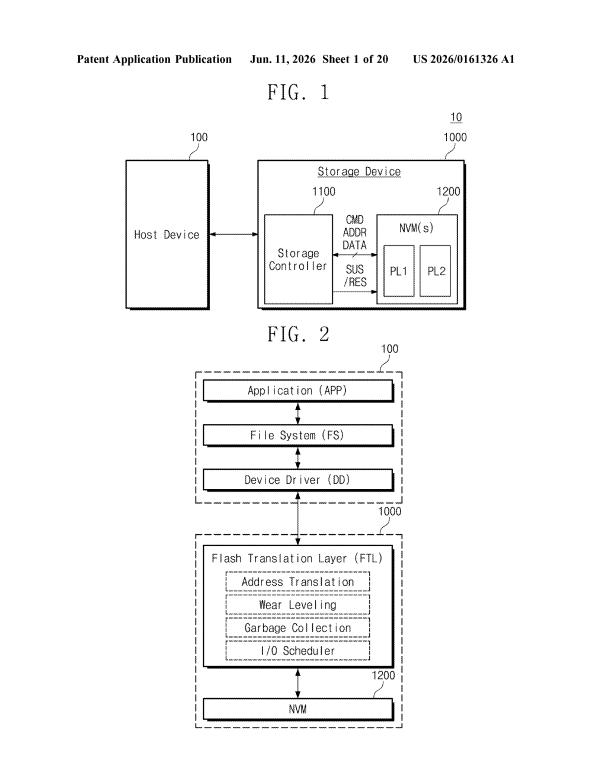
Samsung is filing patents around making storage drives smarter and more self-sufficient, so they handle more work on their own instead of leaning on the rest of the computer.
The filings cluster most heavily around two areas: protecting data when power cuts out or the drive fails, and letting the drive spot threats and fix its own performance without outside help.
What’s new in Samsung's next-generation SSDs
a dated entry each week this watchlist moves · older entries stay archived
Sep 17, 2026 7 filings joined
This week's filings focus on making storage drives more self-sufficient: fixing their own errors, managing power, avoiding conflicts, and loading data before it's even requested. Reliability and speed are the clear twin goals.
This week's two new filings both focus on protecting data during heavy use. One targets heat buildup during large saves, the other catches errors inside the chip itself, pointing to Samsung working on making storage more reliable under pressure.
The focus areas inside Samsung's next-generation SSDs
the problems Samsung keeps filing on · each with its three newest filings · new filings join every week
Computing Inside the Drive 5 filings
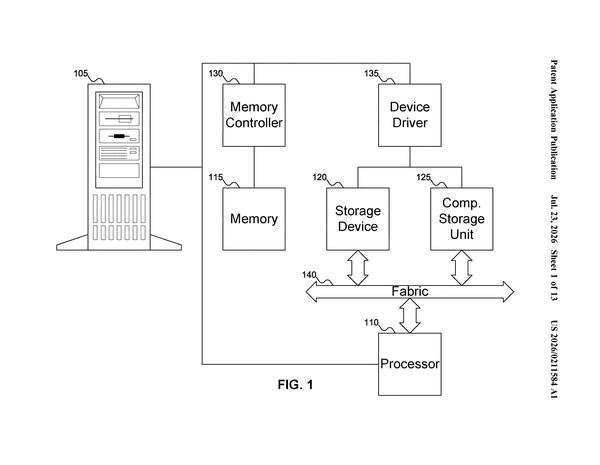
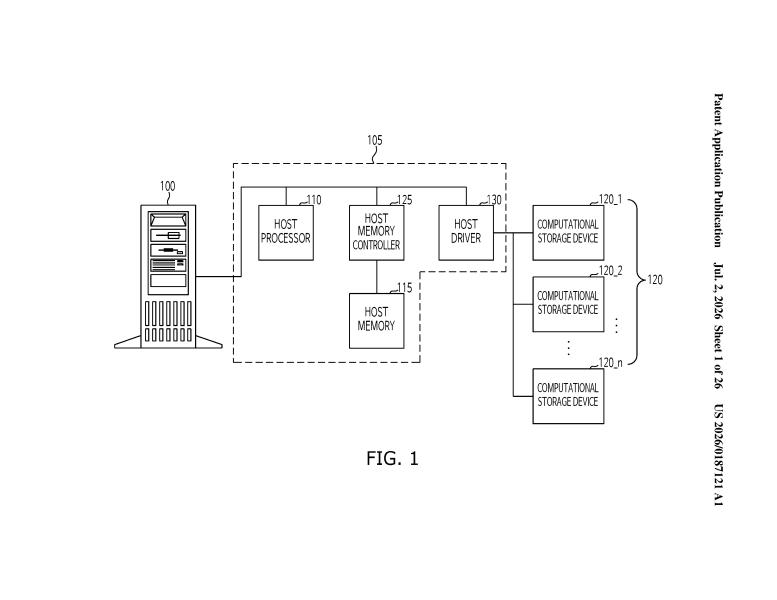
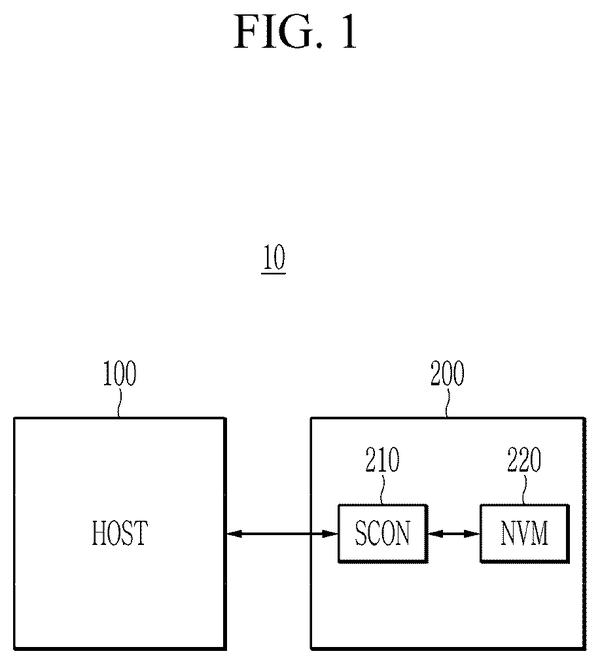
Sending data back and forth to the main processor wastes time and power. These filings cover ways to run calculations, AI decisions, and memory tasks directly inside the storage chip itself.
Storage drives are a target for ransomware and silent data rot. These filings cover ways to spot suspicious save commands, bait attackers, catch electrical leaks, and fix corrupted data before it spreads.
Slow file saves, memory jams, and sluggish reads all hurt performance. These filings cover ways to cut wait times, prepare location data early, reroute around defects, and clear out old files to keep things moving.
Power surges and overheating can destroy data and hardware. These filings cover circuits that shut off before they get too hot, bleed off dangerous voltage spikes, and protect multiple drives at once during a power failure.
Deciding what to shrink and where to put data is usually left to software far from the drive. These filings cover storage that makes its own choices about compressing files and turning spare space into extra memory.
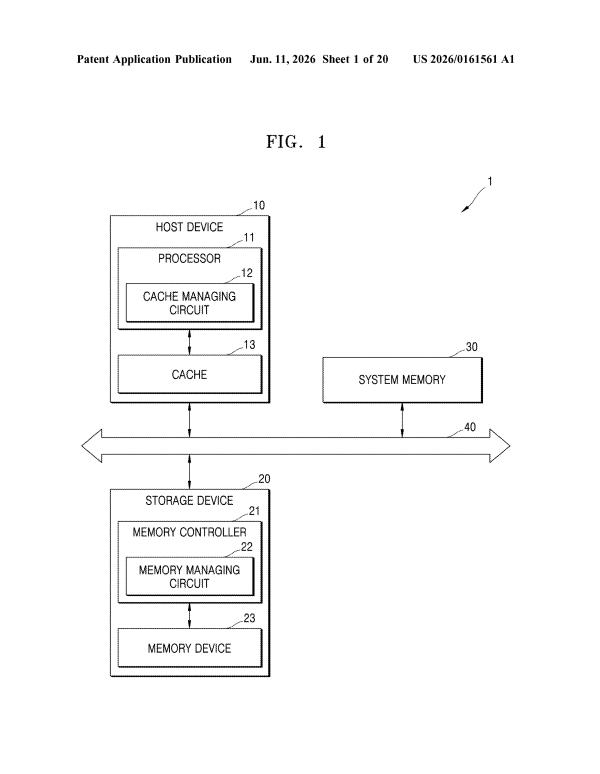
Intelligent journal routing to cache or RAM based on availability prevents the write-speed bottlenecks that slow database performance when primary storage fills up or degrades.
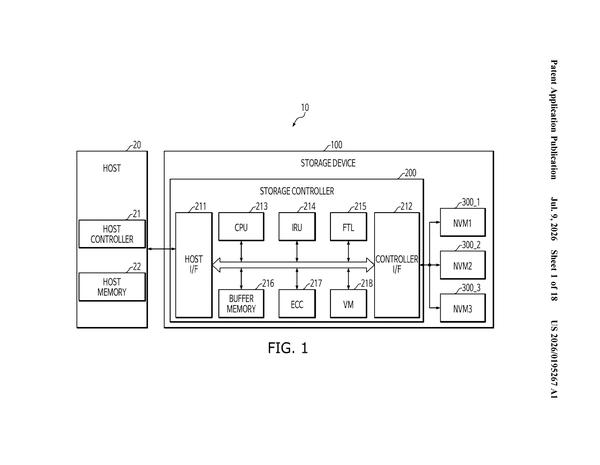
Granular status reporting lets drives return exact conditions for queried data blocks instead of generic responses, enabling hosts to detect corruption or inconsistency problems closer to their source.
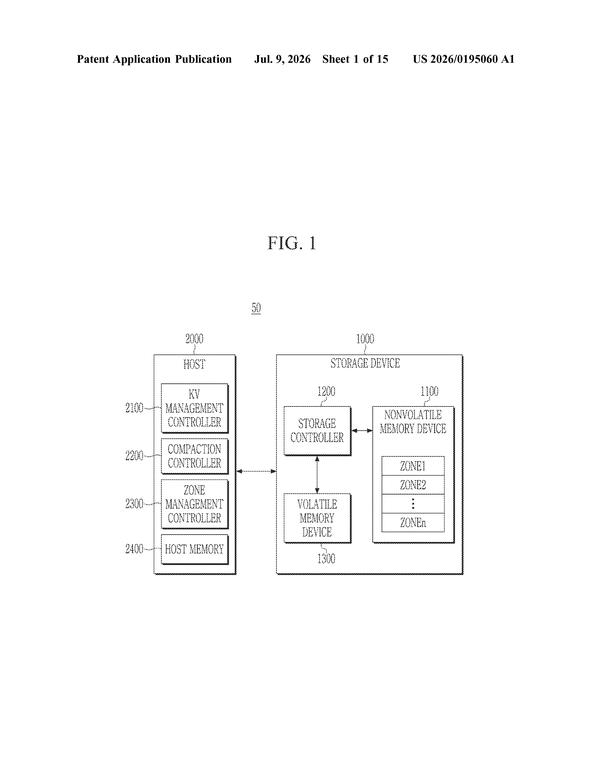
Among Samsung's SSD improvements targeting speed, this filing addresses command queue saturation, the bottleneck that halts processing when pending instructions exceed capacity, by enabling overflow handling without expanding the queue architecture itself.
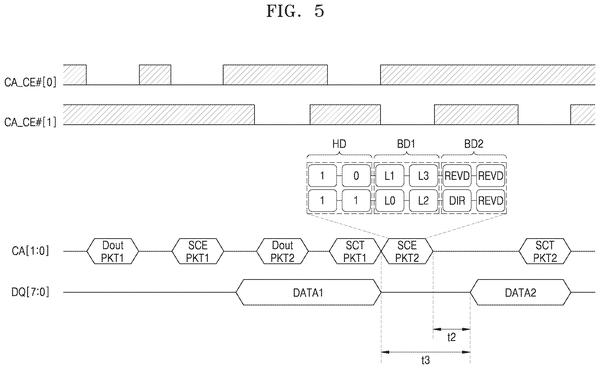
Among the speed and reliability improvements Samsung is tracking, this filing targets signal collisions during multi-chip reads by embedding precise timing delays into the controller itself, preventing data retransmission delays.
Predictive fragment assembly cuts read latency by pre-fetching scattered file pieces before the host system requests them, directly improving the speed gains this watchlist tracks.
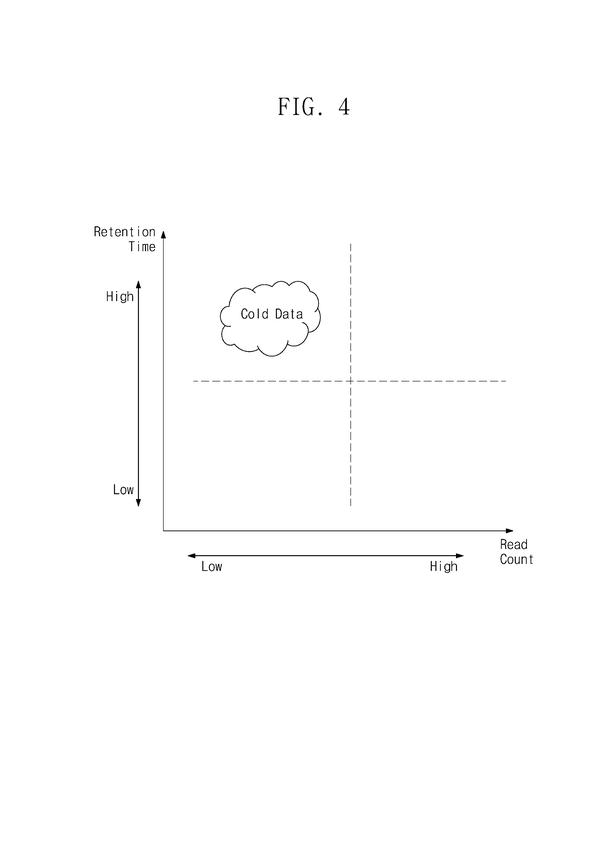
Among the defect and corruption protections tracked here, this one targets read failures that creep in as flash cells age, fixing voltage calibration on the fly rather than waiting for errors to cascade.
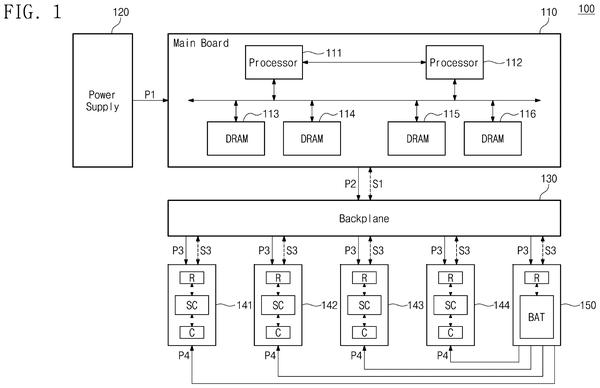
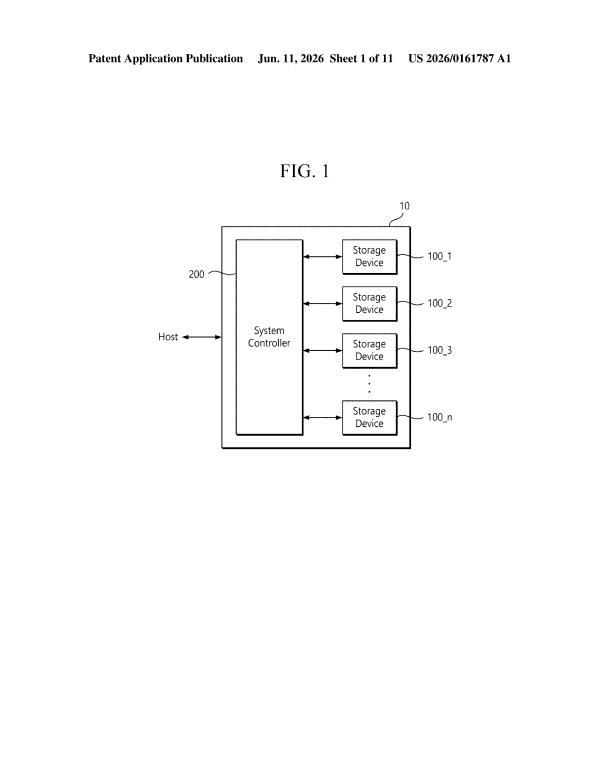
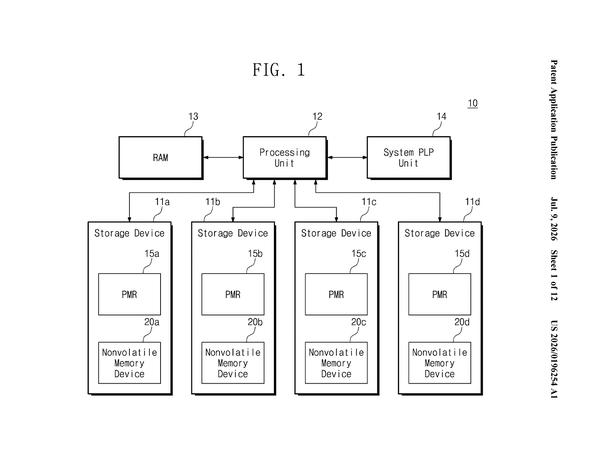
A central battery that monitors all drives simultaneously and distributes emergency power across the array, rather than relying on individual capacitors per drive, cuts the window for mid-write corruption when servers lose power.
Samsung's thermal-management work now extends to garbage collection, the background housekeeping that frees space for new writes. This filing shows the company treating power spikes during data shuffling as a control problem, not an inevitability.
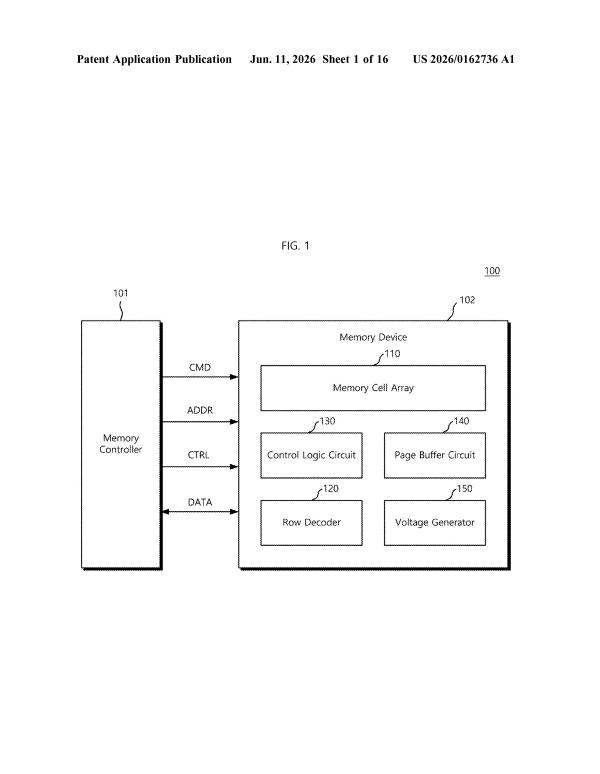
A test pattern generated from a seed lets the controller verify its own memory cells without external equipment, catching wiring faults that silent data corruption exploits.
Samsung's write-speed patents so far have focused on chip design and voltage control. This filing shifts to the handshake protocol itself, eliminating acknowledgment delays to pipeline consecutive operations.
Within the corruption prevention track, this filing shifts focus from external threats to flash memory's internal decay over time, adding passive monitoring for charge loss in dormant blocks.
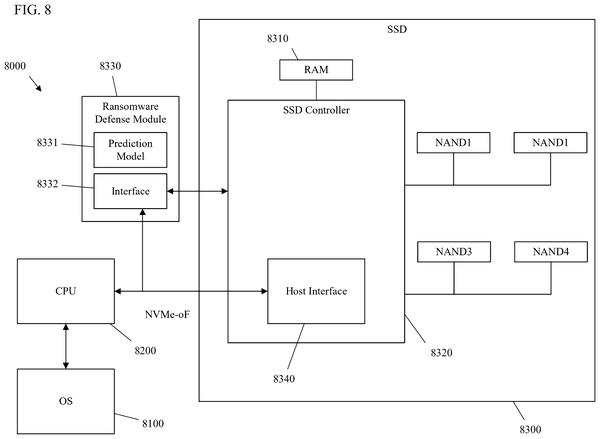
Real-time command monitoring intercepts ransomware at the hardware interface, detecting malicious write patterns before encryption occurs rather than responding after files are already locked.
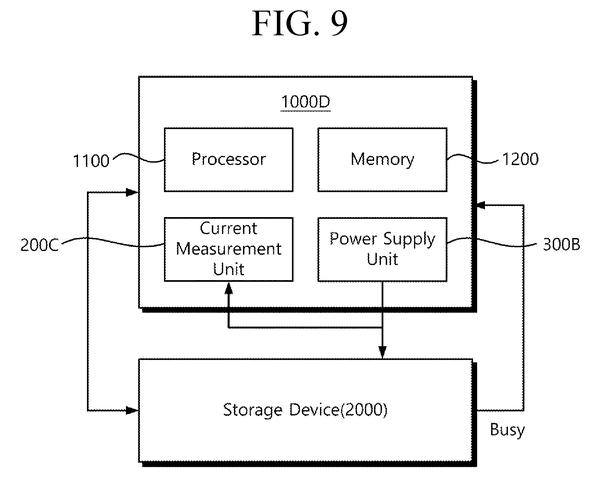
Samsung's corruption-resistance work now includes a testing method that validates recovery from power interruption by monitoring current draw to cut power at the precise write moment most likely to expose data loss vulnerabilities.
Samsung's compression and read-speed work now includes dynamic load balancing: the drive and host can hand off command chains based on real-time capacity, avoiding bottlenecks in either component.
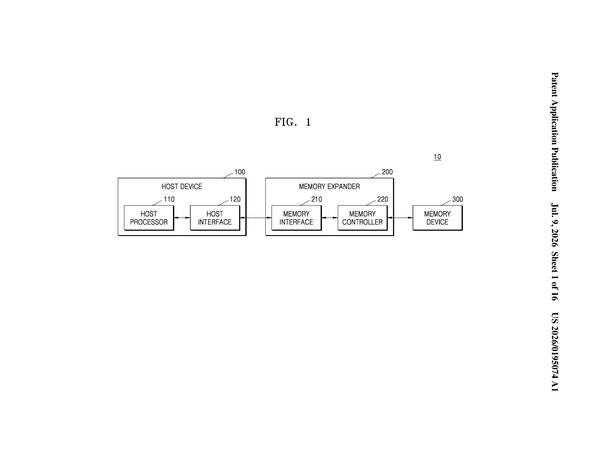
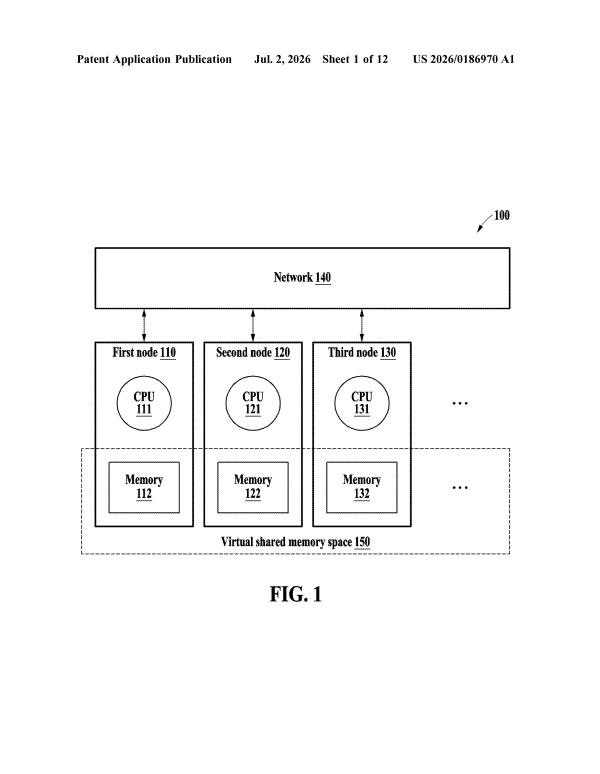
Pushing computation into the storage layer itself eliminates the latency penalty of shuttling data to the CPU and back, which feeds directly into the throughput and latency gains this watchlist tracks.
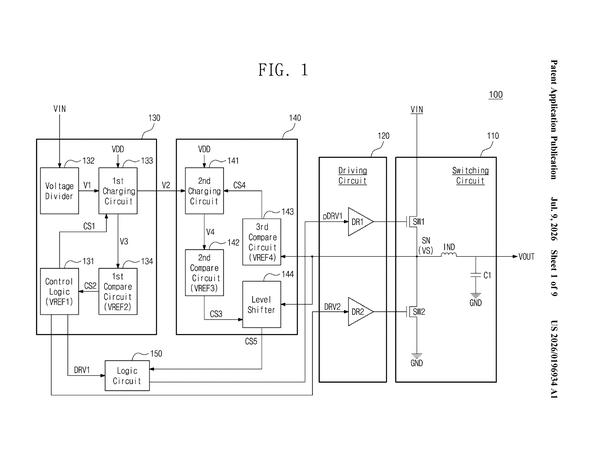
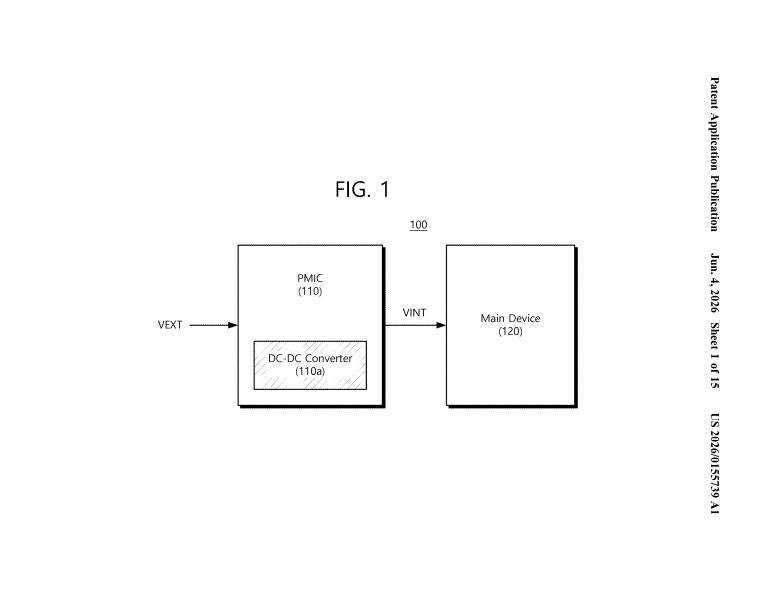
A voltage regulator that detects runaway switching cycles and cuts power before thermal damage spreads to memory cells. Fits the chip defect and voltage spike categories by preventing converter failure from cascading into data loss.
Adaptive compression selection lets the drive pick between consolidation strategies based on real-time workload patterns, reducing the speed penalty that usually comes with space recovery operations.
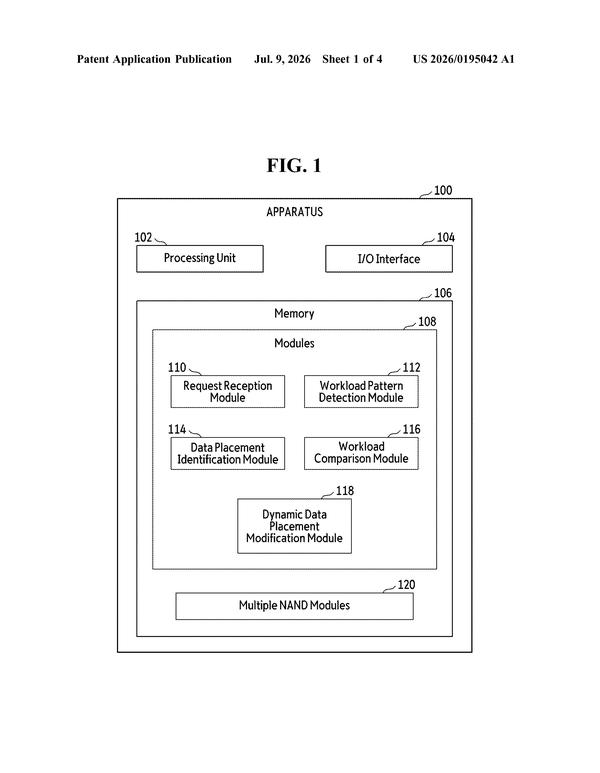
Among Samsung's speed-focused filings, this one adds dynamic data placement: the drive monitors actual access patterns and reorganizes itself to match them, rather than relying on a fixed layout that degrades as usage evolves.
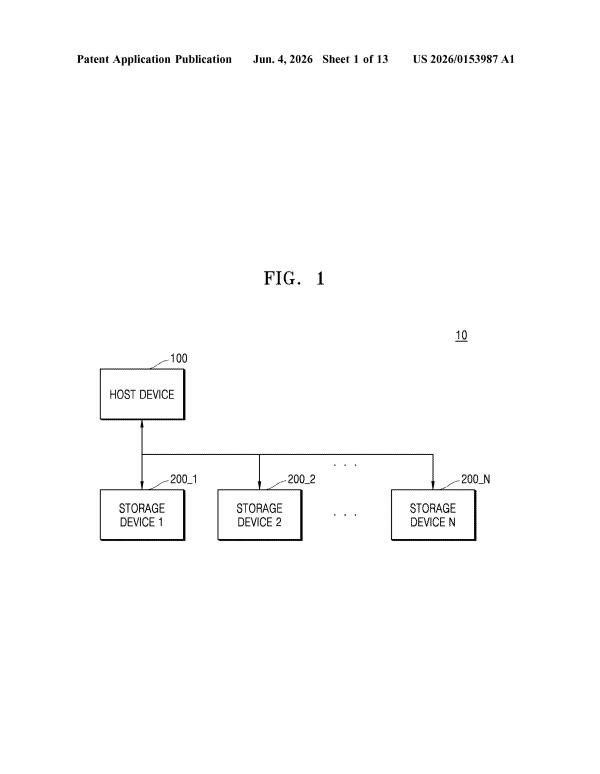
Pooling backup power across multiple drives lets each one finish in-flight writes before shutdown, preventing the scattered corruption that hits when individual drives lose juice mid-operation.
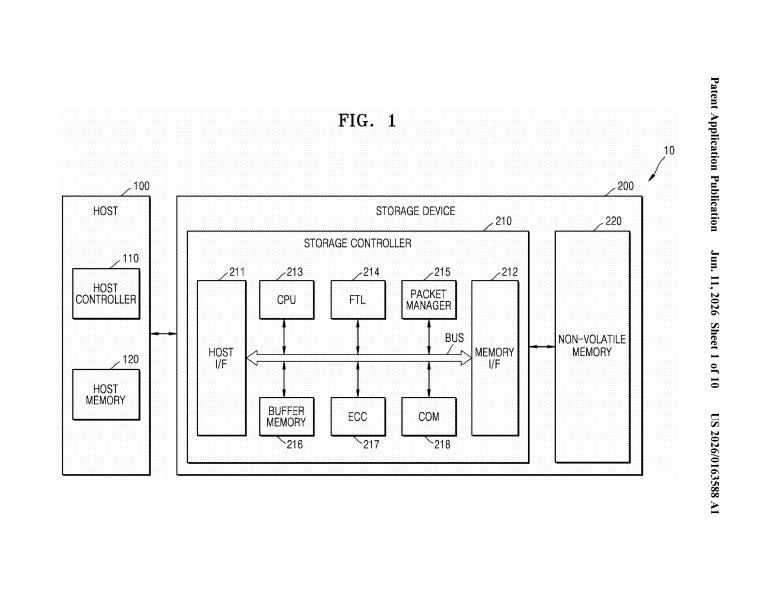
Bypassing intermediate processing layers for standard read commands shaves latency off the most frequent SSD access pattern, directly supporting the watchlist's focus on accelerating data retrieval speeds.
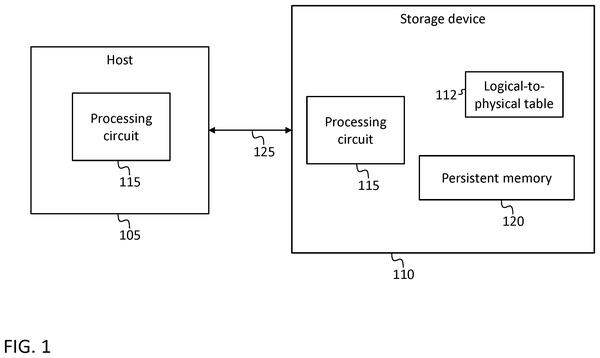
Prefetching the logical-to-physical address mapping eliminates the lookup delay that normally stalls every read and write operation, shaving latency off the speed improvements Samsung is pursuing across this patent family.
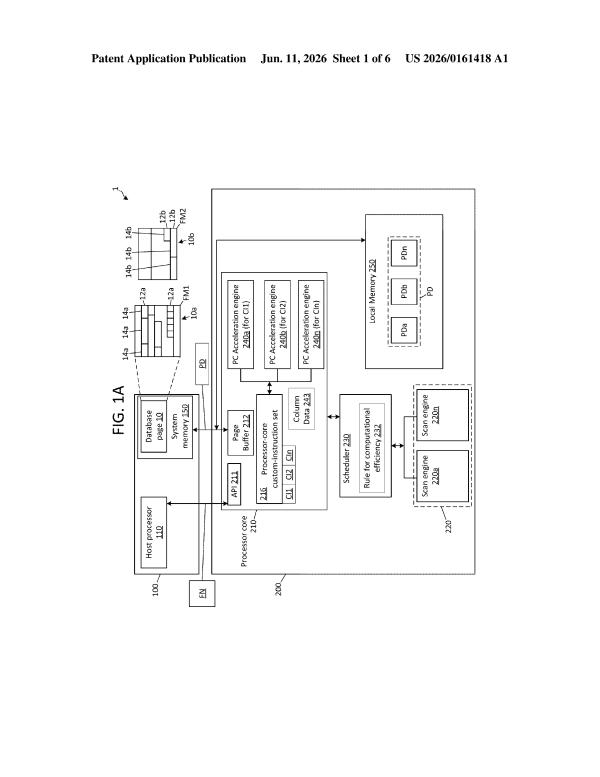
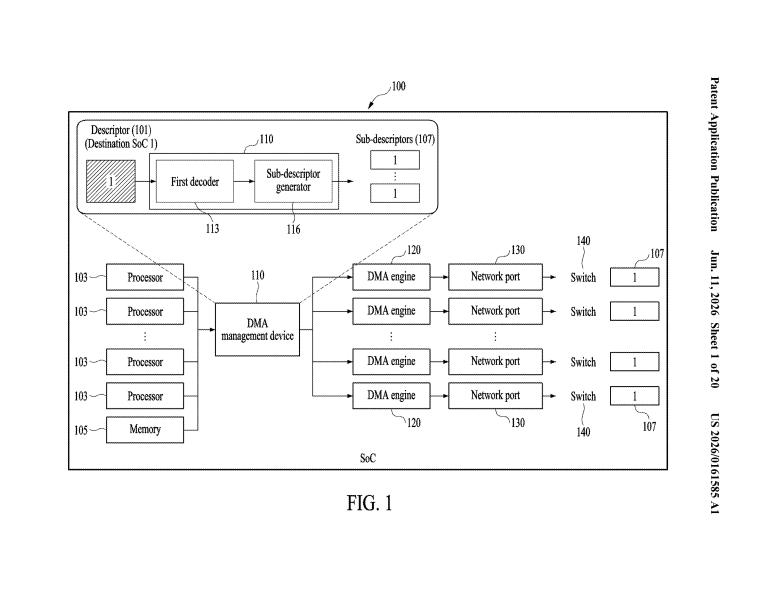
Embedding inference engines on the drive itself eliminates data movement to distant processors, directly speeding up query response times while reducing the bandwidth burden that typically slows read and write operations.
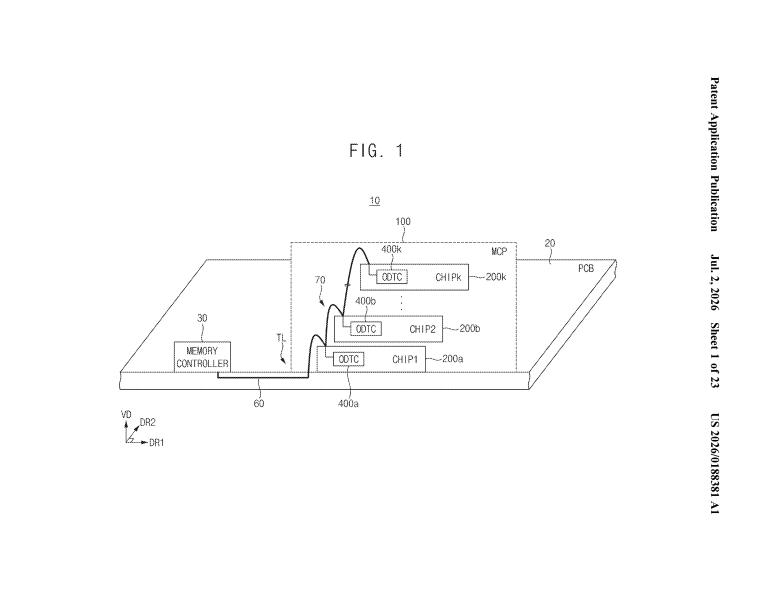
Each chip in a stack adjusts its own signal strength based on where it sits in the tower, preventing the electrical mismatch that corrupts data when bottom and top layers receive garbled reads.
Within the speed-focused filings, this patent isolates verification overhead in shared-data systems. By flagging when sync checks can be skipped without risk, Samsung cuts the processing tax that slows writes across distributed nodes.
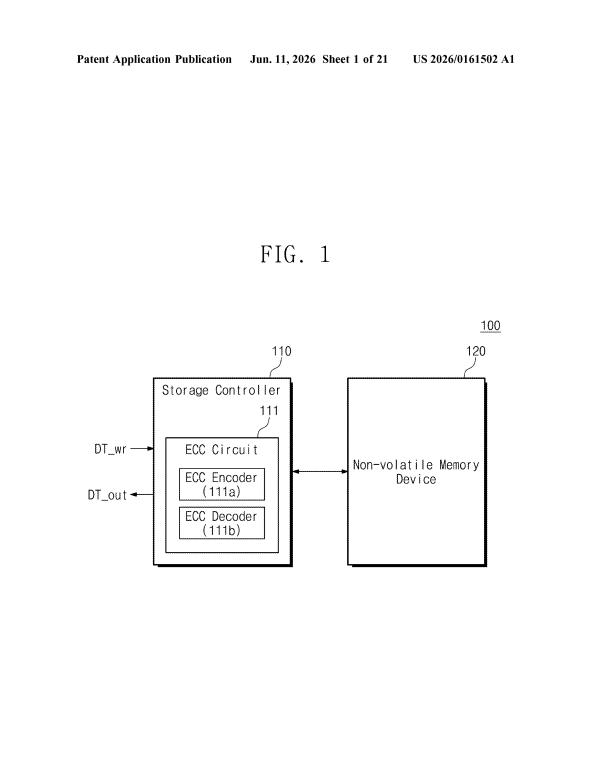
Within the error-detection layer, Samsung adds a two-stage decoder that uses successfully read data to inform recovery of corrupted sections, improving odds of salvage before defects propagate through the drive.
Trap files spread across multiple drives let the system detect ransomware activity through unauthorized access patterns rather than signature matching, catching attacks that evade traditional detection methods.
Faster file retrieval means the drive won't freeze up when you're juggling multiple tasks, a controller can interrupt long writes to grab urgent reads, then resume where it left off instead of forcing everything into a queue.
The error-catching layer expands beyond post-write detection: Samsung now pre-screens the electrical pathways themselves to stop corruption at the source rather than discovering it after data lands on the drive.
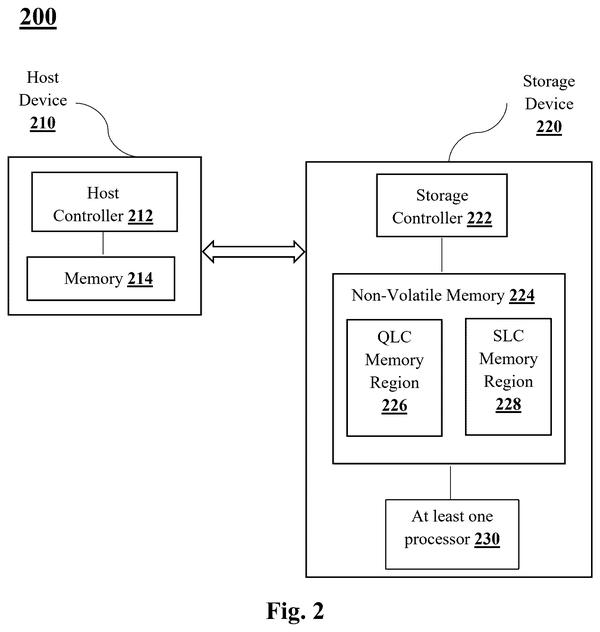
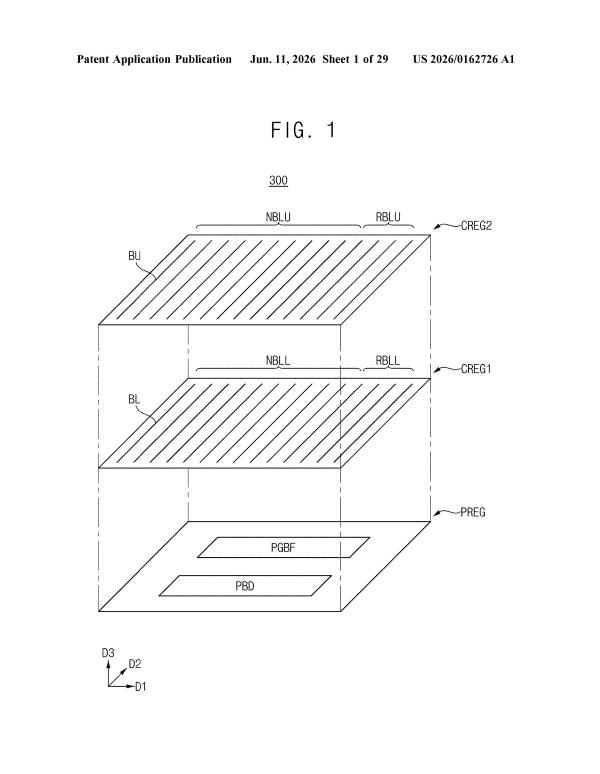
Manufacturing defects in new chips normally require scrapping or repair. This filing shows how Samsung plans to map flaws at production and route data around them automatically within dual-layer memory.
A predictive compression filter cuts wasted cycles by routing only compressible data through the encoding pipeline, leaving poor candidates untouched to preserve speed and power efficiency.
Faster SSDs need to move data less often to get work done. Processing calculations at the storage level cuts the back-and-forth trips that slow down real-world performance.
The faster-and-safer watchlist gains a performance layer: parallelizing memory transfers sidesteps the data-movement bottleneck that can slow down error checking and safety functions running simultaneously on modern drives.
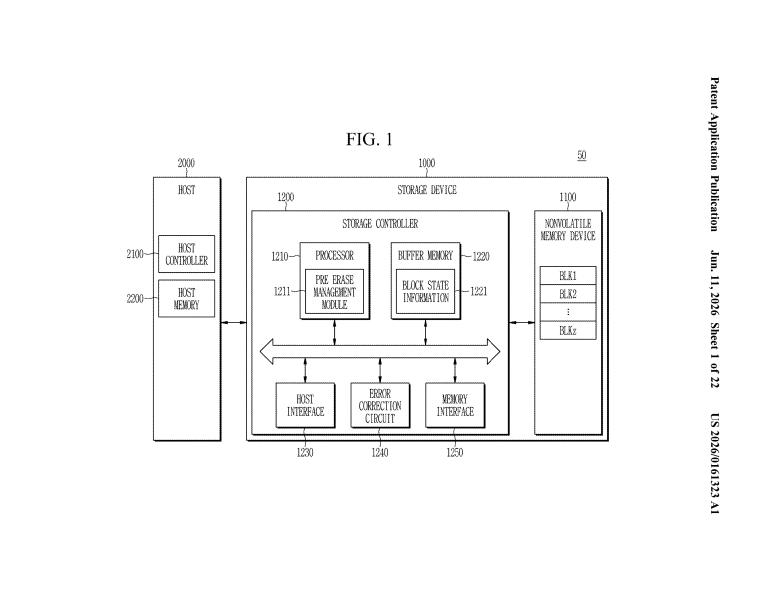
Erase latency slows writes on flash storage, forcing the drive to clear old data before accepting new files. Samsung's patent automates garbage collection in the background so write operations don't stall waiting for space.
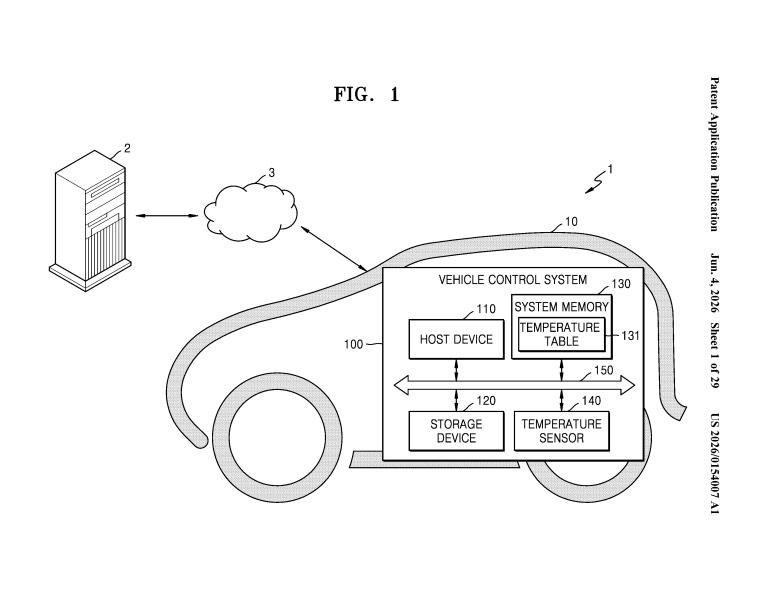
Temperature swings in vehicle cabins degrade flash memory reliability, and the patent embeds thermal monitoring into the storage controller to compensate for these shifts in real time.
A storage controller that reclaims space freed by compression lets the drive contribute unused capacity back to system RAM, turning a static safety buffer into active working memory when the host needs it.
Faster error recovery depends on keeping voltage stable inside the chip itself. This patent adds hardware-level protection that prevents the power surges that cause corrupted data in the first place, working before software defenses even activate.
Questions readers ask
Is Samsung actually shipping these SSD features?
Not confirmed. These are patent filings, which show what Samsung's engineers are exploring, not what has shipped or been announced. Some ideas end up in real products years later, others never do. The tracker follows the paper trail, not a product roadmap.
What problem do most of these Samsung patents solve?
A large share deal with reliability: catching corrupted data, checking for electrical leaks before writing, and routing around manufacturing defects. Others focus on speed, like freeing up reads during writes or splitting memory tasks into smaller jobs. Security shows up too, in voltage-spike protection and ransomware defenses.
Do these patents cover security as well as performance?
Yes. Alongside filings on faster reads, writes, and compression, this batch includes a converter designed to bleed off dangerous voltage spikes and a storage system built to bait and slow ransomware. It suggests Samsung is treating defense and speed as connected goals, not separate projects.
Are these patents for consumer SSDs or enterprise storage?
The filings don't specify a single target market. Some ideas, like temperature-aware storage, point toward demanding environments such as vehicles, while others, like adaptive caching or spare-space-as-RAM, could apply broadly. Patents describe mechanisms, not the exact product line they'll land in.
Want this weekly breakdown for a company we don't cover?
Patentlyze Pro →
The weekly email: the best of Big Tech's filings, in plain English. Free.