
Samsung Patents an AI That Figures Out How to Unstick a Frozen Robot
Robots get stuck. A robot arm might freeze mid-task with no obvious way forward — and without human help, it just stays stuck. Samsung's new patent describes an AI that detects that freeze and figures out the best way out on its own.
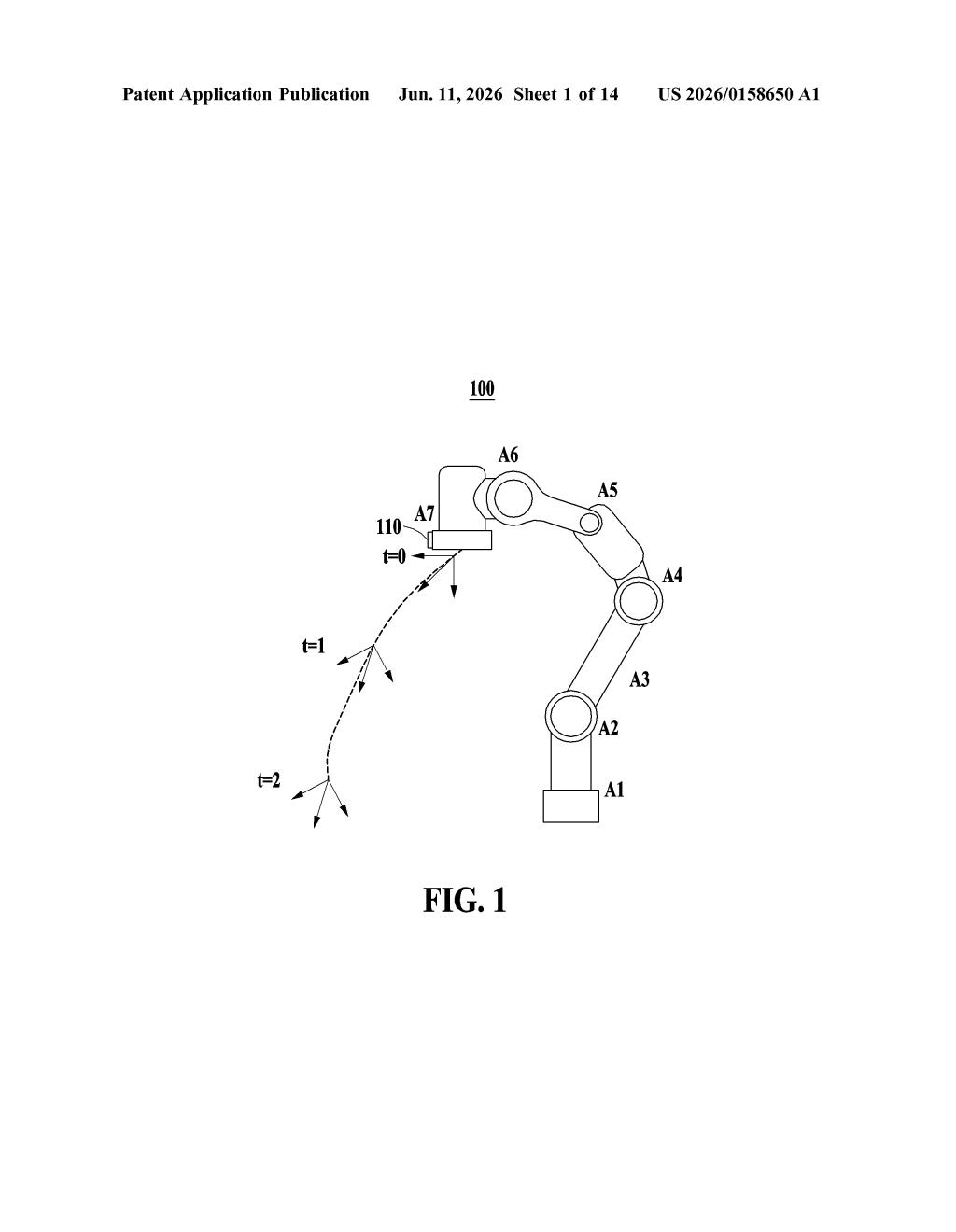
What Samsung's robot escape system actually does
Imagine a robot arm in a warehouse reaching for a box, and it ends up in a position where it physically can't move forward or back without colliding with something. That's called a deadlock state — a frozen impasse the robot can't escape without outside help. Right now, that usually means a human has to intervene.
Samsung's patent describes a system where the robot's AI detects it's stuck, then runs its current position through a neural network to generate a list of possible escape moves. Each escape option gets a probability score — essentially the AI's best guess at which move is most likely to work — and the system picks the winner and commands the robot to execute it.
The result is a robot that can get itself out of a jam without waiting for a human to bail it out. That kind of self-recovery is a meaningful step toward robots that can operate reliably in messy, unpredictable real-world environments.
How the neural network picks the best recovery move
The patent lays out a six-step loop for robotic self-recovery:
- Detection: The system continuously monitors the robot to identify when it has entered a deadlock — a state where no standard movement can proceed.
- Candidate generation: The robot's current pose (its joint angles, position, and orientation) is fed into an artificial neural network — a type of AI trained on movement data — which outputs a set of candidate recovery poses, essentially a menu of possible escape positions.
- Probability scoring: The system generates a recovery pose distribution (think of it as a ranked list with confidence scores attached to each option), so the AI can express not just which moves are possible but how confident it is in each.
- Final selection and execution: The highest-confidence pose is chosen, a movement command is generated, and the robot executes it to break out of the deadlock.
The patent doesn't specify a single robot type — the term "electronic device" is deliberately broad, which is standard practice to keep the claim scope wide. The neural network model at the center of the system would need to be trained on many examples of deadlock situations and successful recoveries to work reliably in practice.
What this means for Samsung's robotics ambitions
For robotics to move beyond tightly controlled factory floors and into homes, hospitals, or logistics centers, robots need to handle unexpected situations without constant human supervision. A robot that freezes and waits for help every time it gets stuck is a liability, not an asset. Self-recovery is a prerequisite for practical autonomy.
Samsung has been investing heavily in robotics — from home assistant robots to industrial arms — so this patent fits a clear strategic direction. If this system works as described, it could meaningfully reduce the rate at which human intervention is required during robot operation, making Samsung's future robot products more viable in real-world deployment.
This is a genuinely useful piece of robotics infrastructure, not a flashy consumer concept. The deadlock problem is real, and an AI-driven self-recovery loop is a sensible solution. Whether Samsung's specific neural network approach outperforms existing motion-planning techniques is the real question — the patent describes the architecture but says little about how well it actually works.
There are more where this came from
We read every patent application Big Tech publishes and send you the ones worth knowing. Plain English, free, every week.
Want this weekly breakdown for a company we don't cover? Patentlyze Pro →