
Qualcomm Patents a Step-by-Step Wake-Up and Login System for AR/VR Headsets
Every time you put on an AR or VR headset, something has to figure out that you're there — and that it's really you. Qualcomm just filed a patent laying out exactly how that process should work, step by step, across two dedicated chips.
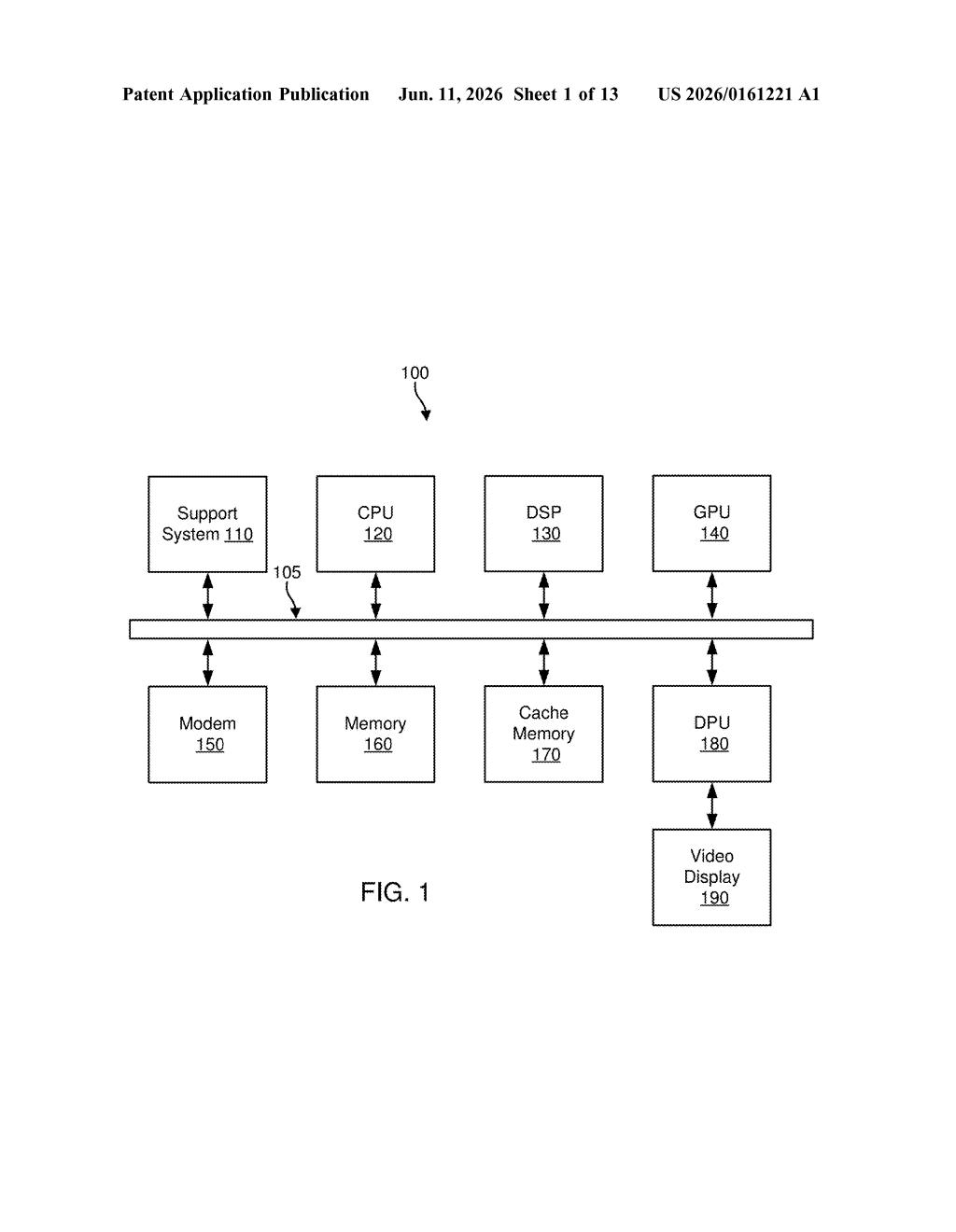
What Qualcomm's XR headset login sequence actually does
Imagine picking up a VR headset and putting it on. Today, the way a headset figures out you're wearing it — and then confirms it's actually you — can feel clunky or inconsistent across devices. Qualcomm's patent describes a precise, ordered sequence to fix that.
The idea is that the headset moves through clearly defined stages: first it listens wirelessly for something nearby, then it detects a user is present, then it authenticates who that user is, and finally it settles into a normal monitoring mode ready for use. Each stage only happens after the previous one completes — no skipping ahead.
What makes this interesting is that two separate chips share the work. One chip (a communication processor) handles the wireless sensing and authentication signals. The other (a central processor) manages the overall flow and decides when to move from one stage to the next. Think of it like a two-person relay race where each runner has a specific leg to run.
How the two chips hand off states in sequence
The patent describes a control framework — essentially a rulebook — for how an extended reality (XR) device (AR glasses, VR headsets, mixed-reality hardware) boots up and identifies its user in a defined order.
The sequence has four named states:
- Wireless discovery state: The device is passively listening for nearby Bluetooth or similar signals — like a headset waiting on the nightstand for someone to approach.
- User detection state: The communication processor receives a signal (called a connection established interrupt — basically a hardware nudge saying "something connected") and registers that a person is likely present.
- User authentication state: The device confirms who the user is, triggered by a successful authentication interrupt signal — a chip-level confirmation that credentials checked out.
- Monitoring state: Normal operation mode, where the device tracks the user's environment and actions.
The split between a central processor (which orchestrates the state machine — the logic that decides what stage comes next) and a communication processor (which handles the radio and authentication signals) is the key architectural claim. By separating concerns across two chips, each processor can be optimized for its specific job rather than one chip doing everything.
What this means for next-gen XR headset design
For headset makers building on Qualcomm chips — which power a large chunk of the standalone XR market — having a standardized, chip-enforced login flow means less custom software engineering per device. The framework also makes it harder for a device to accidentally skip authentication, which has real security implications when headsets store personal data, payment credentials, or enterprise applications.
For you as a user, the practical payoff is a more consistent "wake up and know it's me" experience across different XR hardware. Right now that varies a lot. A codified hardware-level sequence could make XR headsets feel more like smartphones — where the unlock flow is predictable regardless of which Android phone you pick up.
This is infrastructure work, not a flashy feature — but it's the kind of unglamorous foundation that determines whether XR headsets feel polished or janky in daily use. Qualcomm is essentially trying to set a reference standard for how XR devices should handle presence and identity at the chip level, which matters a lot if they want developers and OEMs to build consistently on their platform.
There are more where this came from
We read every patent application Big Tech publishes and send you the ones worth knowing. Plain English, free, every week.
Want this weekly breakdown for a company we don't cover? Patentlyze Pro →