
Qualcomm Patents a Two-Chip Startup and Login Sequence for XR Headsets
Before you can see anything in a mixed-reality headset, a lot has to happen behind the scenes — and Qualcomm wants to own exactly how that handshake works, chip by chip.
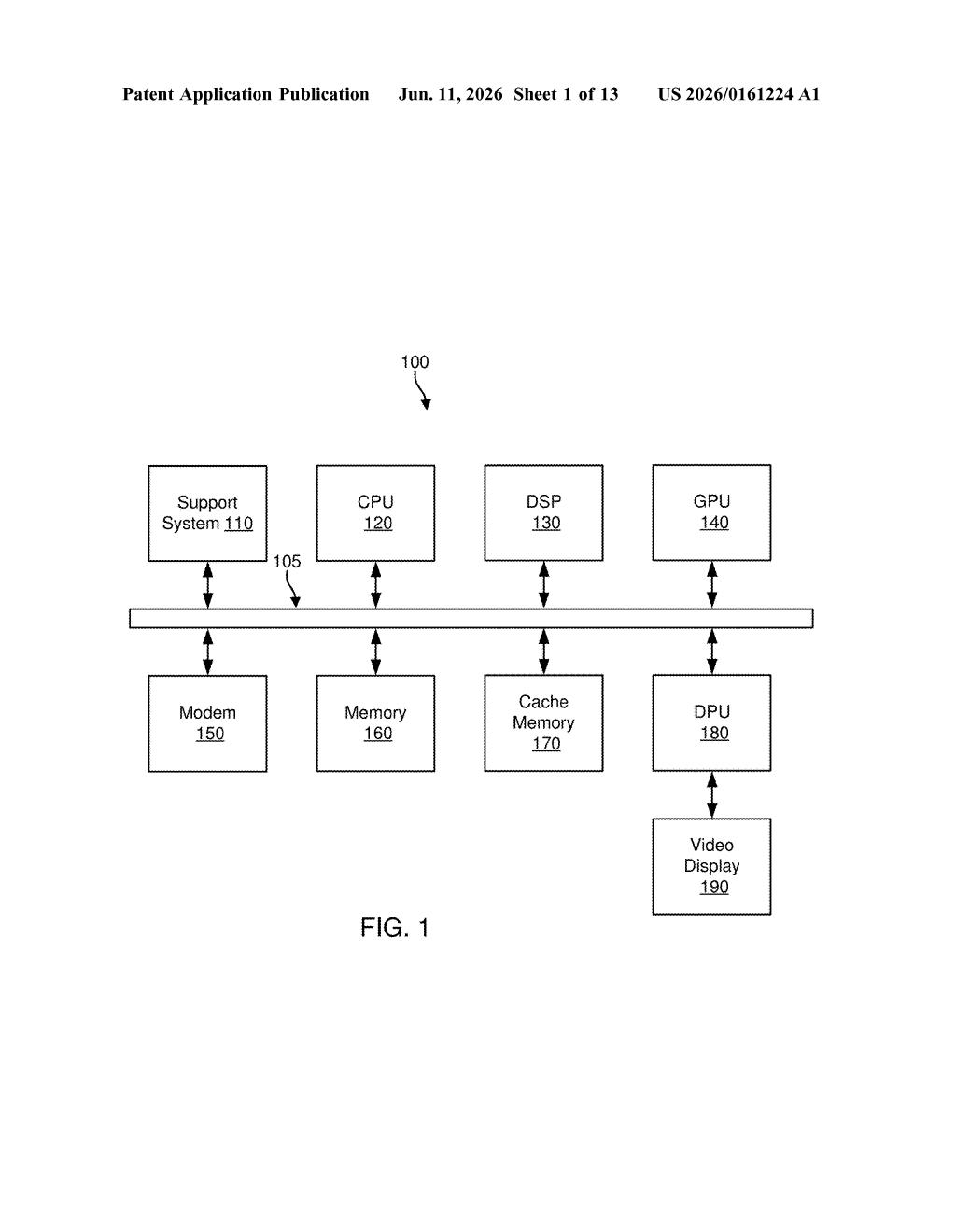
What Qualcomm's XR headset wake-up sequence actually does
Imagine putting on a VR or mixed-reality headset. Before the visuals appear, the device has to wake up, figure out you're there, confirm it's actually you, and then start doing its job. That sequence sounds simple, but coordinating it across specialized chips inside a headset is genuinely tricky.
Qualcomm's patent lays out a strict, step-by-step startup routine for XR (extended reality) headsets — covering everything from the moment the headset sniffs for a nearby paired phone or controller, to detecting a person nearby, to verifying your identity, and finally settling into active use. The key twist: two separate processors share this work rather than one chip doing everything.
One chip handles the main logic and state transitions (the "are we at step one, two, or three?" bookkeeping), while a dedicated communications chip listens for your presence. Think of it like a bouncer and a host working the door together — one checks you're on the list, the other actually lets you in.
How two chips split the XR boot and login workload
The patent describes a control framework — essentially a rulebook — for how an XR headset powers up and prepares itself for a user. The device moves through four distinct states in a fixed order:
- Wireless Discovery: The headset reaches out wirelessly to find a paired companion device — a phone, controller, or similar gadget — confirming it's in the right environment.
- User Detection: A dedicated communication processor (a separate chip from the main CPU) listens for signs that a person is physically nearby — likely using proximity sensors or radio signals.
- User Authentication: Once a person is detected, the device confirms their identity before doing anything further — this could involve biometrics, a PIN, or a paired-device handshake.
- Monitoring State: The headset enters normal active operation, tracking the user and environment in real time.
The architecture deliberately splits responsibility: a central processor manages the overall state machine (deciding which phase the device is in), while a communication processor handles the lower-level job of sensing user presence. Separating these roles means the always-on detection work doesn't have to run through the power-hungry main chip.
What this means for future standalone XR devices
Standalone XR headsets — ones that don't tether to a PC — live and die by their battery life and how fast they feel to put on and use. A well-designed startup sequence that offloads presence detection to a lean, dedicated chip could keep the main processor asleep longer, saving meaningful battery while still waking up quickly when you reach for the headset.
Qualcomm supplies the processors inside many of today's XR devices, including chips used in Meta's Quest line. A patented control framework like this one positions Qualcomm to bake this boot logic directly into its silicon reference designs — meaning any headset maker that buys Qualcomm chips could inherit this behavior. For you as a user, the goal is a headset that wakes up fast, recognizes you immediately, and doesn't drain its battery while waiting around.
This is infrastructure-level patent work — not a flashy feature announcement, but the kind of low-level coordination logic that determines whether a headset feels polished or sluggish in daily use. Qualcomm is essentially trying to standardize how XR devices wake up and authenticate users at the chip architecture level, which gives it real leverage over the XR hardware ecosystem. That's worth paying attention to, even if it'll never appear in a product spec sheet.
There are more where this came from
We read every patent application Big Tech publishes and send you the ones worth knowing. Plain English, free, every week.
Want this weekly breakdown for a company we don't cover? Patentlyze Pro →