
Google's New Patent Resizes Your Screen Based on Where You Are and Where You're Looking
Google is working on a system that automatically adjusts what's on your screen — its size, layout, and format — depending on where you physically are and where your eyes are pointed.
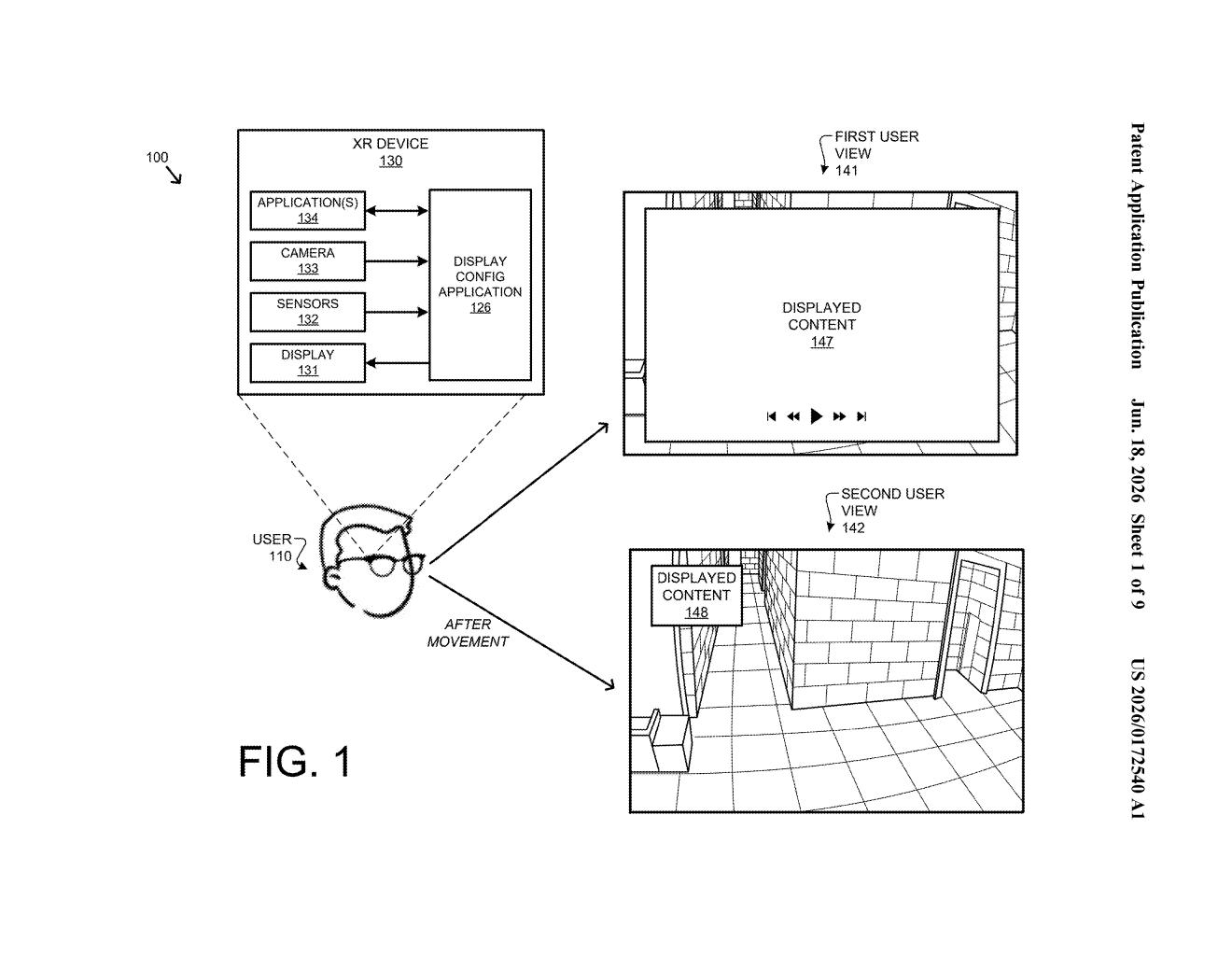
How Google's location-and-gaze display system works
Imagine you're walking down a hallway glancing at your phone, and the text on screen automatically gets bigger because your phone knows you're moving and only half-paying attention. That's roughly the idea behind this Google patent.
The system tracks two things at once: your physical location (are you in a specific zone, like a meeting room or a street corner?) and your gaze direction (are you actually looking at the screen?). When both conditions line up in a certain way, the content on your device switches from one display format to another — for example, switching from a compact view to a larger, easier-to-read layout.
The practical upshot is a screen that adapts to your context without you tapping anything. Whether it's a phone, a tablet, or something you wear on your face, the idea is that the device should know when you need more visual help and give it to you automatically.
How location, gaze, and size thresholds combine
The patent describes a method that monitors two inputs simultaneously: the physical location of a device (tied to a defined region in the real world) and the gaze direction of the user (tracked likely via front-facing camera or eye-tracking sensors).
When both inputs satisfy a set of criteria — for instance, the user has moved outside a designated zone and their gaze aligns with the screen — the system switches the content from a first configuration (smaller size, default layout) to a second configuration (larger size, expanded layout). The transition works in reverse too: moving back into the defined region can restore the original display format.
Key components described in the patent include:
- A region identification system — the device knows when it's inside or outside a defined physical area
- Gaze tracking — the device monitors where the user's eyes are directed
- A configuration switcher — content size and layout change automatically based on the combined location-and-gaze signal
The claim is deliberately broad, covering any device that can display content — which could include phones, tablets, smart glasses, or heads-up displays. The "region" concept is flexible too: it could be a GPS-defined outdoor zone or a room-level indoor boundary.
What this means for AR glasses and Google's display ambitions
This patent sits squarely in the territory of wearable displays and augmented reality. A phone can already enlarge text through accessibility settings, but doing it automatically based on real-world context — without any user input — is a different category of behavior. For AR glasses especially, knowing where the user is and where they're looking is the foundation for useful, non-annoying overlays.
For everyday phone users, this could eventually mean content that quietly adjusts when you step outside, sit down in a meeting room, or glance at your screen while walking. You wouldn't set any of this up — the device would infer it. That's either genuinely convenient or mildly unsettling, depending on your tolerance for a phone that watches your eyes.
This is a real idea with clear product applications, particularly for AR glasses where fixed-size overlays are a known usability problem. The patent's claim language is broad enough to cover a lot of ground, which is typical for foundational UX filings. Whether it ships as a feature or just stakes out territory is the real question — but Google's interest in combining location and gaze data is worth taking seriously.
There are more where this came from
We read every patent application Big Tech publishes and send you the ones worth knowing. Plain English, free, every week.
Want this weekly breakdown for a company we don't cover? Patentlyze Pro →