
Google Patents a Prism Assembly That Prepares Light for Injection Into AR Glasses
Getting light from a tiny projector into the paper-thin lens of a pair of AR glasses is one of the hardest optical engineering problems in wearable tech. Google thinks a carefully designed prism can solve it.
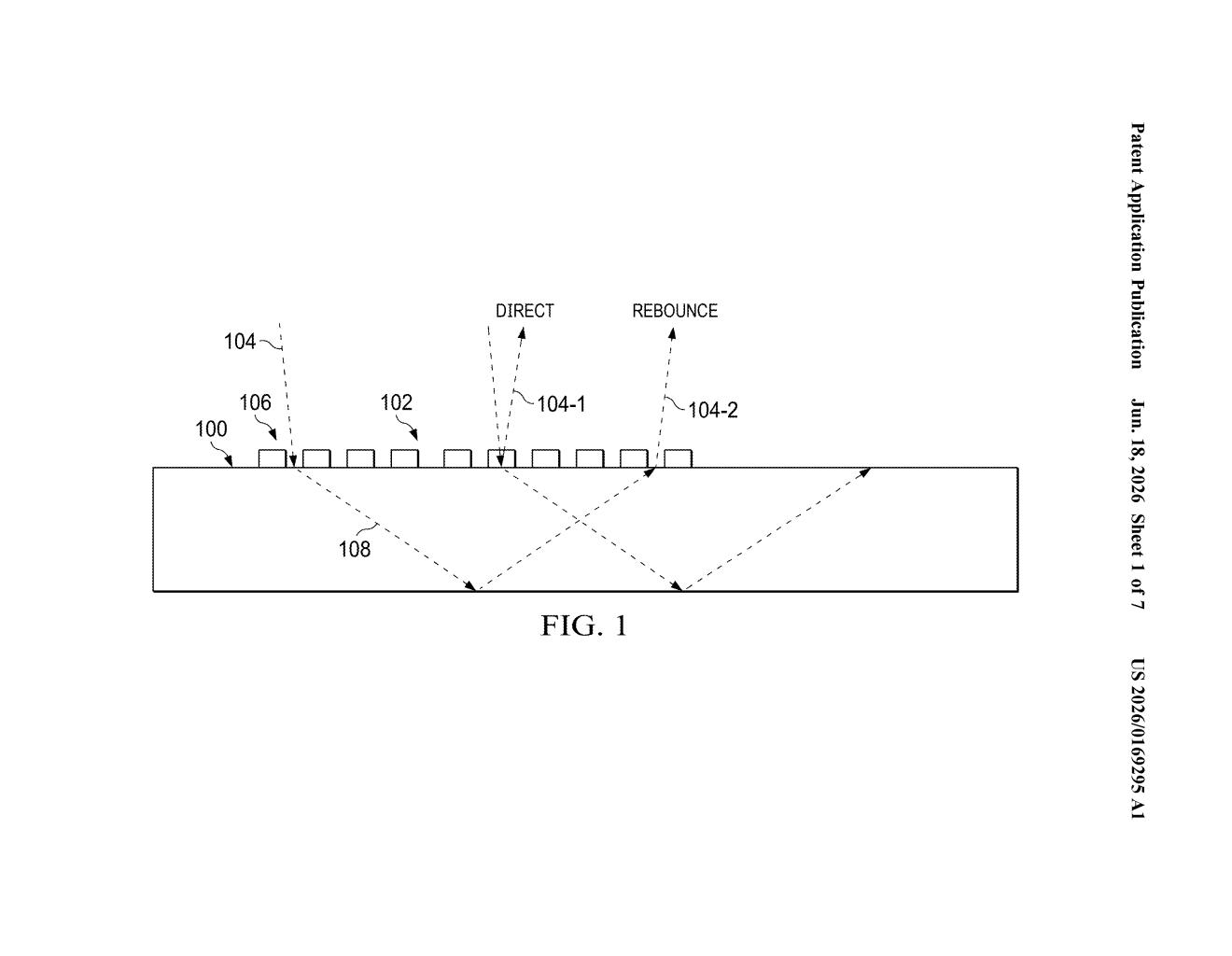
What Google's prism assembly actually does for AR glasses
Imagine trying to pour water through a very narrow funnel without spilling a drop. That's roughly the challenge Google is working on here: getting light from a small projector into the ultrathin lenses used in AR glasses, without losing most of it in the process.
The problem comes down to how light behaves. The special lenses in AR glasses — called waveguides — are picky about the light they accept. The light has to arrive in a specific orientation (called polarization), from the right angle, and within a particular size. If it doesn't match, a lot of it gets wasted, making the display dim or inefficient.
Google's patent describes a prism — a solid block of glass with specially coated internal surfaces — that bounces and reshapes the light before it enters the waveguide. By the time the light exits the prism, it's in exactly the right form to couple efficiently into the lens. The end result could be AR glasses that are brighter, more power-efficient, or physically thinner than current designs.
How the prism mixes and reshapes polarized display light
The patent describes a prism assembly designed to condition display light before it enters the waveguide of a head-worn AR or near-eye display.
At its core, the prism is a solid optical block with multiple internal surfaces, each bearing a specialized coating:
- A reflective coating on one surface, which bounces light to redirect it internally
- A polarization beam-splitting coating on another surface, which separates light based on its polarization state (think of polarization like the orientation of a vibrating rope — horizontal vs. vertical)
- A polarization-conversion layer — typically a quarter-wave or half-wave retarder — positioned so that light passes through it before hitting the beam-splitting surface
This sequence of interactions causes polarization mixing: light that would otherwise be rejected or wasted by the waveguide coupler gets rotated and recycled, improving overall efficiency. The prism can also reshape the light beam's physical footprint — its width and shape — to match the narrow input aperture of a thin waveguide coupler.
Some versions of the design also include angled entrance and exit surfaces to steer the light in a specific direction, supporting compact internal routing inside the glasses frame or helping align left-eye and right-eye optical paths.
What this means for thinner, more wearable AR displays
Waveguide-based AR glasses are already commercially available from companies including Google, Microsoft, and Magic Leap, but brightness and efficiency remain persistent problems. A significant fraction of the light produced by the tiny projector never makes it into the waveguide — it's lost because the polarization or angle doesn't match. This patent targets that specific inefficiency directly.
If the approach works at scale, the payoff could show up in longer battery life (less light wasted means less power needed), thinner lens designs (the prism can prepare light for narrower waveguide inputs than currently practical), or simply a brighter image for you as the wearer. It's the kind of optical plumbing improvement that doesn't make headlines but quietly determines whether the next generation of AR glasses is actually wearable all day.
This is unsexy but important optical engineering — exactly the kind of foundational work that separates AR glasses that look great in a demo from ones people actually wear. Google has been investing seriously in waveguide optics for years, and this patent suggests that effort is still very much ongoing at a component level.
There are more where this came from
We read every patent application Big Tech publishes and send you the ones worth knowing. Plain English, free, every week.
Want this weekly breakdown for a company we don't cover? Patentlyze Pro →