
Apple Patents a Drop Guard That Keeps Headset Screens Aligned After Impact
Dropping a $3,500 headset is bad enough. Apple is now patenting a mechanical system that stops the internal displays from shattering against their own housing when that happens.
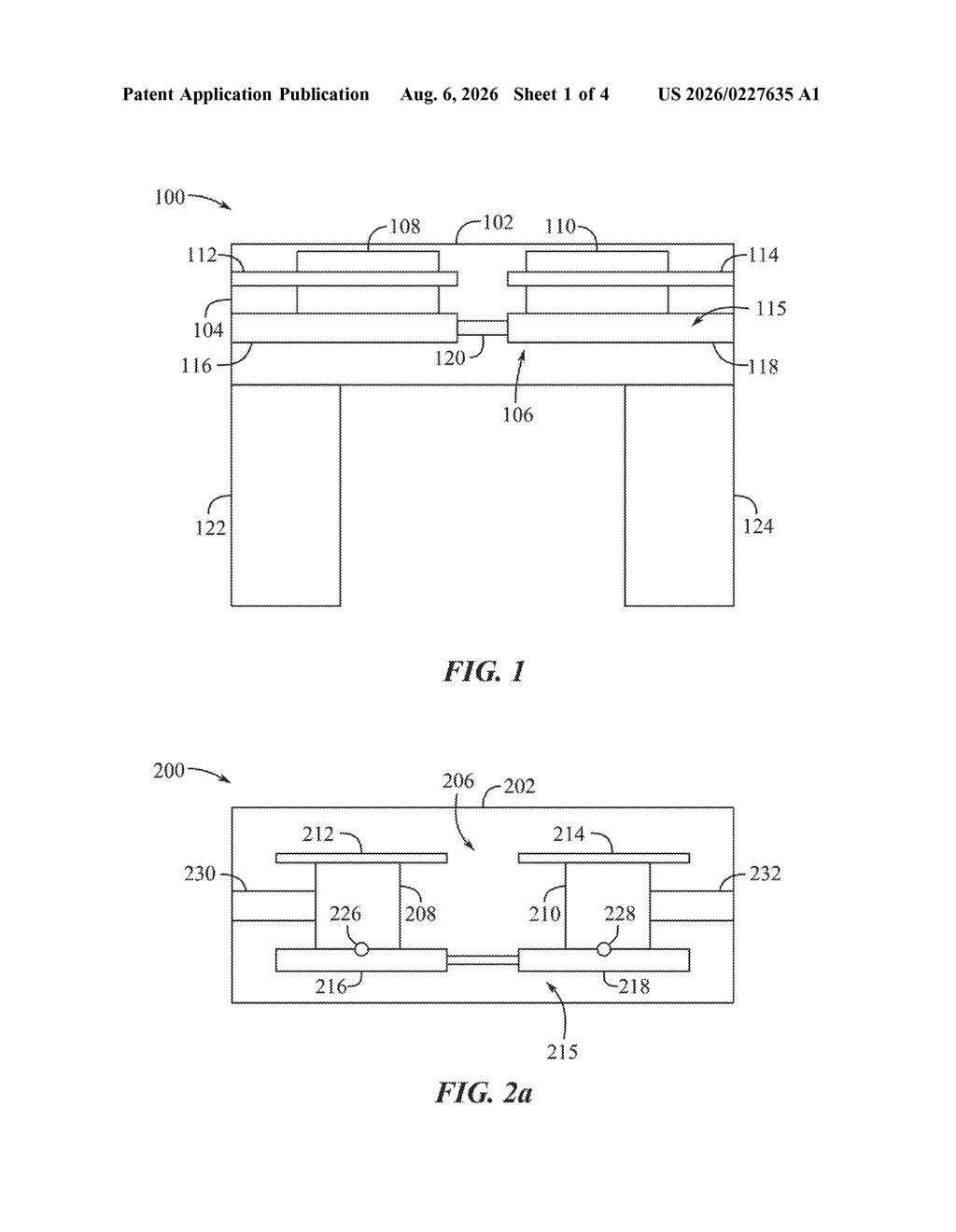
What Apple's display drop-protection system actually does
Imagine you own an expensive VR headset and it slips off a table. Inside the device, two small screens can slide left and right to line up perfectly with your eyes (this is called interpupillary distance, or IPD, adjustment). Without protection, a hard impact could slam those screens into rigid parts inside the housing, cracking or misaligning them.
Apple's patent describes a kind of mechanical fuse: a clutch system that holds the two displays in sync during normal use but lets them break free the moment the headset hits the ground. Think of it like the breakaway connector on older MacBook chargers. The screens detach from their drive mechanism during the collision, absorbing the shock rather than transferring it.
The clever part is that this isn't a one-way sacrifice. The patent says the system is resettable: once you pick the headset back up, the displays can re-engage with the mechanism automatically, restoring normal IPD adjustment without a trip to a repair shop.
… the first display is configured to disengage with the first synchronizer during a drop event; the second display is configured to disengage with the second synchronizer during the drop event; and the first synchronizer is configured to disengage from the second synchronizer during the drop event.
Translation: When dropped, the screens and their gears briefly disconnect to absorb the shock.
How the clutch decouples and resets after a drop
The patent covers a head-mounted device with two displays that each slide along their own internal rails. A synchronization system links the two displays so that when one moves outward, the other moves inward by the same amount, keeping both lenses centered on your eyes.
The key invention is how this linkage behaves under stress. The patent introduces a resettable clutch (similar in concept to a slip-clutch in power tools) that creates intentional weak points between each display and its synchronizer, and between the two synchronizers themselves. During a drop event, all three of those connections are designed to disengage simultaneously, freeing the displays to move independently and absorb the impact without being driven into the housing walls.
After the drop, the clutch is configured to reengage. The patent does not fully detail the re-engagement mechanism in the abstract, but the claim language specifies that the synchronizers are explicitly designed to reconnect, which rules out a simple sacrificial-fuse approach.
In plain terms, the system behaves like a crumple zone for the displays: it absorbs a sudden shock by temporarily giving up structural rigidity, then returns to its normal rigid, synchronized state.
The synchronizers can also be configured to reengage the displays after disengagement.
Translation: Once the impact passes, the internal parts snap back into their proper positions.
What this means for headset durability and eye comfort
IPD adjustment is one of the most mechanically complex parts of a modern VR headset. If the drive mechanism bends or the displays shift out of calibration after a drop, the headset can cause eye strain or simply stop working. A resettable clutch means a drop doesn't automatically equal a hardware replacement.
For Apple Vision Pro or any future headset in that line, this is a real quality-of-life concern. A device that costs thousands of dollars and is worn on your face will eventually fall. A mechanism that protects the most fragile, most alignment-sensitive components and resets itself afterward is exactly the kind of engineering detail that separates a durable product from a fragile one.
This is genuinely useful engineering, not a speculative future feature. The mechanical problem is real: precision sliding displays inside a rigid housing are vulnerable to drops in a way that, say, a flat OLED panel is not. A self-resetting clutch is a thoughtful answer to a problem Apple almost certainly encountered during Vision Pro durability testing. The patent is narrow and specific, which usually signals a real implementation is close.
There are more where this came from
We read every patent application Big Tech publishes and send you the ones worth knowing. Plain English, free, every week.
The drawings
4 drawing sheets from US 2026/0227635 A1 · click any drawing to enlarge


Want this weekly breakdown for a company we don't cover? Patentlyze Pro →
Be the first to weigh in