
Meta's New Patent Splits AR Streaming Across Two Wireless Connections at Once
Streaming rich XR content wirelessly is one of the hardest unsolved problems in AR and VR. Meta's latest patent takes a different angle: instead of cramming everything through one connection, split the load across two at the same time.
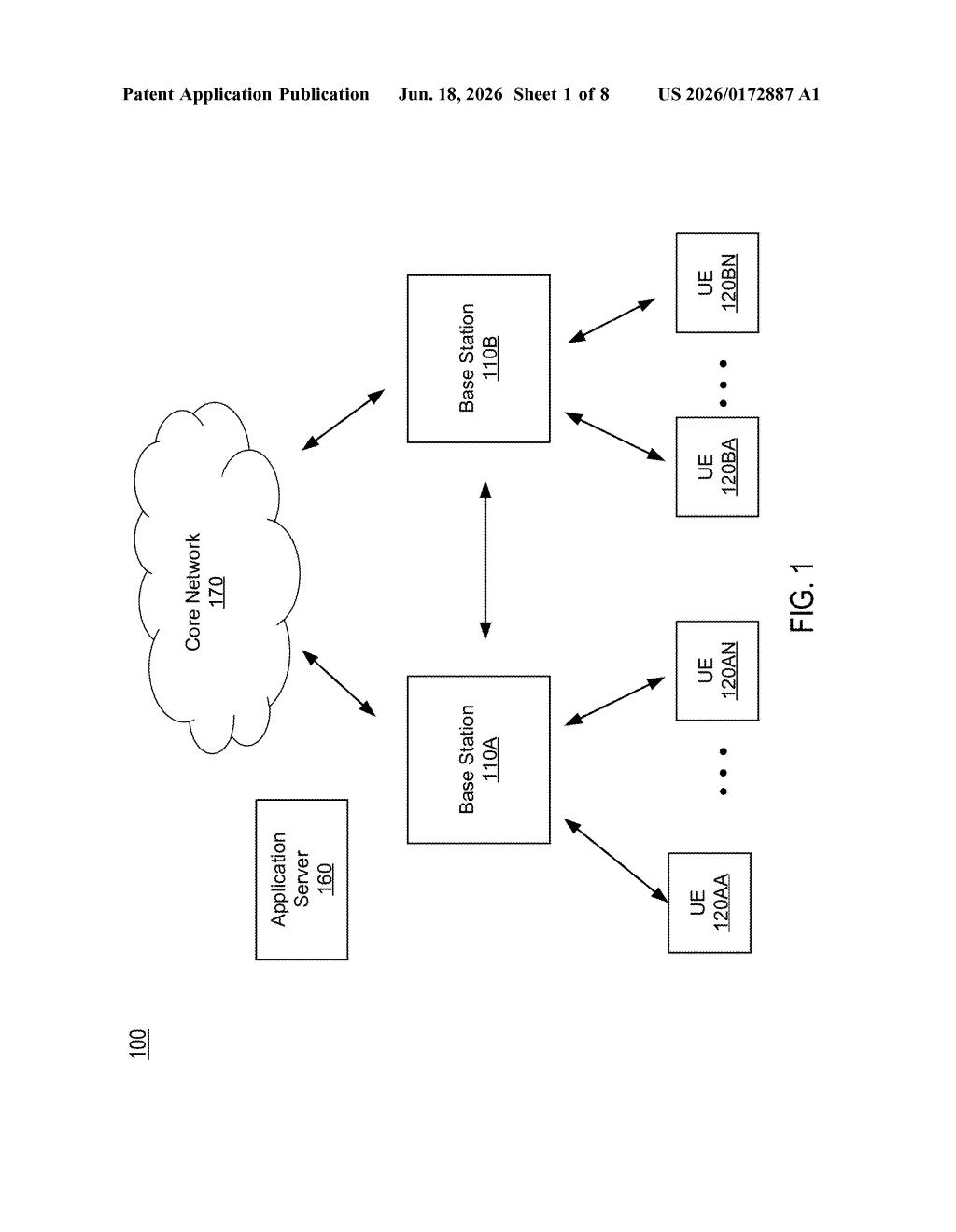
What Meta's dual-link XR streaming actually does
Imagine your AR glasses need to pull a huge stream of 3D data from the cloud — maps, video, whatever your virtual world needs. Right now, that all has to travel over a single wireless connection, like your phone's 5G signal. If that link gets congested or choppy, your whole experience suffers.
Meta's patent describes a headset or XR device that connects to two wireless networks at once: one to a cellular network (like 5G), and one to a nearby companion device — say, a phone or compute puck in your pocket. The device watches the health of both connections in real time and decides how fast to send data over each one, keeping the total flow optimized.
The practical upshot: instead of one overloaded pipe, you get two coordinated ones. The device can lean on whichever link is performing better at any given moment, which should mean fewer dropped frames and more consistent quality during a wireless XR session.
How the network stack coordinates two data rates at once
The patent describes a dual-interface architecture built into an XR device (think AR glasses or a VR headset). The device carries two separate wireless radios: one tied to a cellular network, and one tied to a short-range link connecting it to a second device — likely a smartphone or dedicated compute module worn or carried nearby.
At the heart of the system is a network stack layer — essentially a software manager that sits above both radios and can see what both are doing at once. This layer continuously collects link quality values for each connection (things like signal strength, congestion, and available bandwidth). Based on those readings, it calculates a target data rate for each link — how fast to push data over cellular versus how fast to push data to the companion device — such that together they meet the application's needs.
The key insight is that both rate decisions are made at the same layer, rather than each radio managing itself independently. That coordination is what lets the system balance load intelligently rather than just saturating one link while the other sits idle.
- Radio 1: cellular uplink/downlink to the broader internet
- Radio 2: local link to a companion phone or compute device
- Shared network layer: reads both link states and sets rates for both simultaneously
What this means for wireless AR and VR performance
Wireless XR is a hard problem because headsets are power-constrained and can't just brute-force their way to better performance with bigger antennas. Splitting traffic across two coordinated links is a practical way to squeeze more effective throughput out of hardware that already exists — a cellular modem and a short-range radio — without requiring new spectrum or new infrastructure.
For Meta's Ray-Ban smart glasses and future headsets, this approach could mean that a phone in your pocket acts as an active relay or offload partner, not just a Bluetooth remote. That's a meaningful architectural shift, and it positions Meta's device ecosystem — where the headset and phone work as a team — as a deliberate design choice rather than a convenience feature.
This is a solid piece of infrastructure-level thinking for wireless XR, not a flashy consumer feature. The interesting move is treating a companion phone as a first-class network participant rather than an afterthought. Whether Meta can make this invisible and reliable enough for everyday use is the real question — but the patent shows they're building toward a coordinated multi-device model, not just a standalone headset.
There are more where this came from
We read every patent application Big Tech publishes and send you the ones worth knowing. Plain English, free, every week.
Want this weekly breakdown for a company we don't cover? Patentlyze Pro →