
Samsung Patents a Robot Arm That Retrains Itself When It Fails
Most robots fail silently — they just stop or repeat the same wrong move. Samsung's new patent describes a robot arm that notices when it's underperforming and automatically goes back to school.
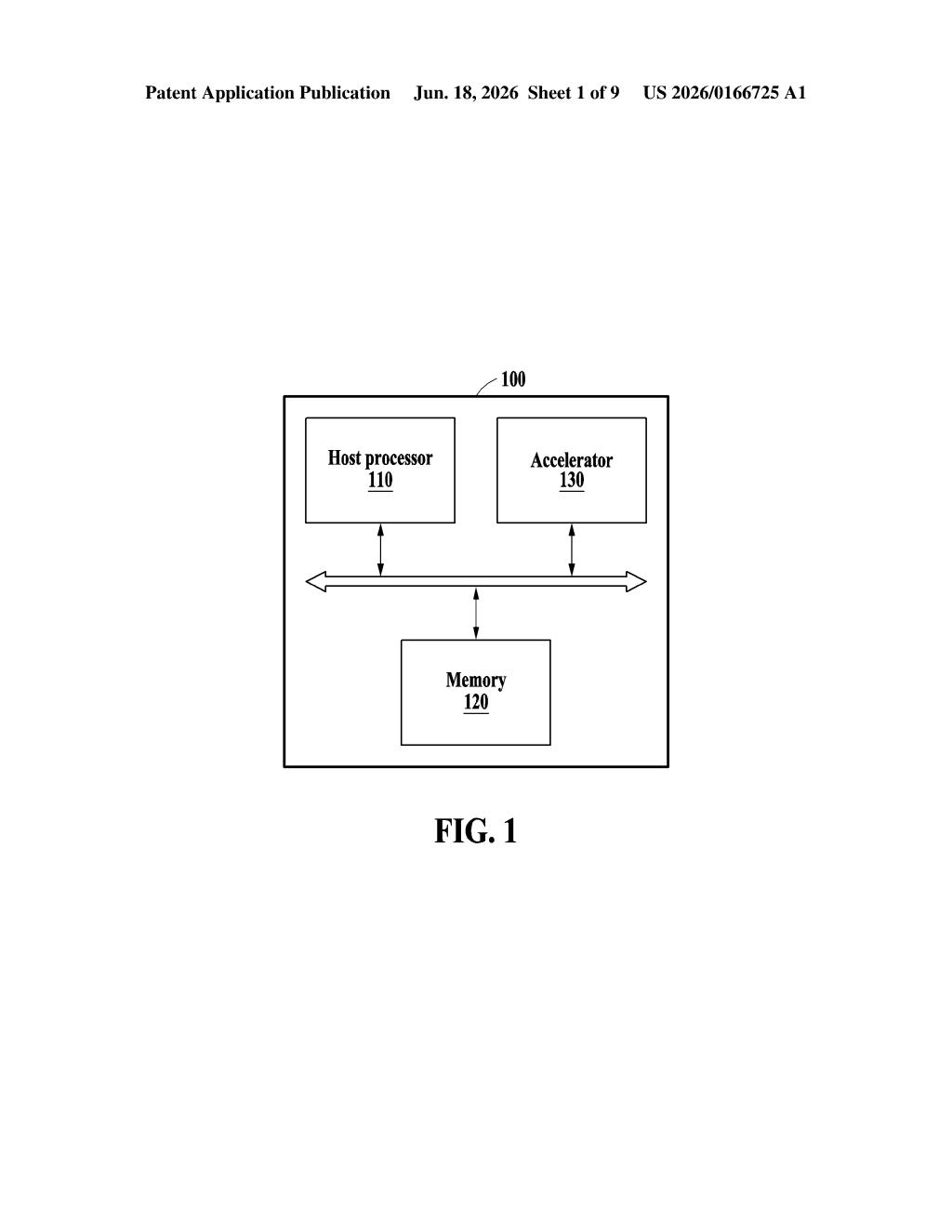
How Samsung's robot arm learns from its own mistakes
Imagine a new employee who watches a skilled colleague to learn the job. They pick up the basics, try the work themselves, and — when something goes wrong — they don't just shrug. They study the expert again and adjust. That's roughly the idea behind this Samsung patent.
Samsung is describing a robot arm that first learns by observing an expert robot performing a set of reference tasks. It then tries those tasks on its own. If it fails or just does the job poorly compared to the expert, it automatically kicks off a new round of learning — tightening up its approach based on what went wrong.
The key detail is that the bar isn't just pass-or-fail. A robot that technically completes a task but does it sloppily still triggers a re-learning cycle. That's a higher standard than most automated systems hold themselves to, and it's the part of this patent worth paying attention to.
How the policy-relearning loop actually runs
The patent describes a three-stage loop running on a processor — a chip inside or connected to the robot arm.
- Stage 1 — Imitation learning: The robot arm builds a policy (a set of rules for how to move and act) by studying a dataset collected from an expert robot arm performing multiple reference tasks. Think of it as a recipe book derived from watching a professional cook.
- Stage 2 — Execution: The robot follows that policy to attempt a target task — something it needs to do in the real world, not just in training.
- Stage 3 — Evaluation and relearning: The system checks two things: did the robot complete the task at all, and did it do it as well as the expert did in training? If either answer is no, the policy is retrained. This is called policy relearning — the system revises its rules rather than just retrying the same moves.
The dual trigger — failure or low-quality success — is the distinguishing detail here. It means the system sets a quality floor, not just a binary done-or-not-done check. The learning dataset from the expert robot serves as the ongoing benchmark throughout the robot's working life.
What self-correcting robots mean for factory floors
Factory and warehouse robots today are mostly programmed once and left to run. When they degrade or face a task variation they weren't programmed for, a human engineer usually has to step in and reprogram them. A robot arm that can detect its own performance drop and retrain without human intervention would reduce that maintenance burden significantly — especially in environments where tasks change frequently.
Samsung already manufactures industrial robots and is investing heavily in humanoid robotics. A self-correcting arm fits squarely into that direction: the less a robot needs hand-holding after deployment, the more practical it becomes outside of tightly controlled factory settings. For workers on the floor, it could mean fewer stoppages. For Samsung, it's a step toward robots that stay useful longer without constant supervision.
This is solid, practical robotics engineering — not a flashy concept but a real operational problem (robot performance drift) with a well-structured solution. The quality-threshold trigger, not just binary success/failure, is the genuinely interesting bit. It won't make headlines next to humanoid robot demos, but the self-correcting loop is exactly the kind of unglamorous infrastructure that separates reliable industrial robots from expensive props.
There are more where this came from
We read every patent application Big Tech publishes and send you the ones worth knowing. Plain English, free, every week.
Want this weekly breakdown for a company we don't cover? Patentlyze Pro →