
Samsung's New Patent Teaches AI to Place Objects Into Photos at the Right Depth and Angle
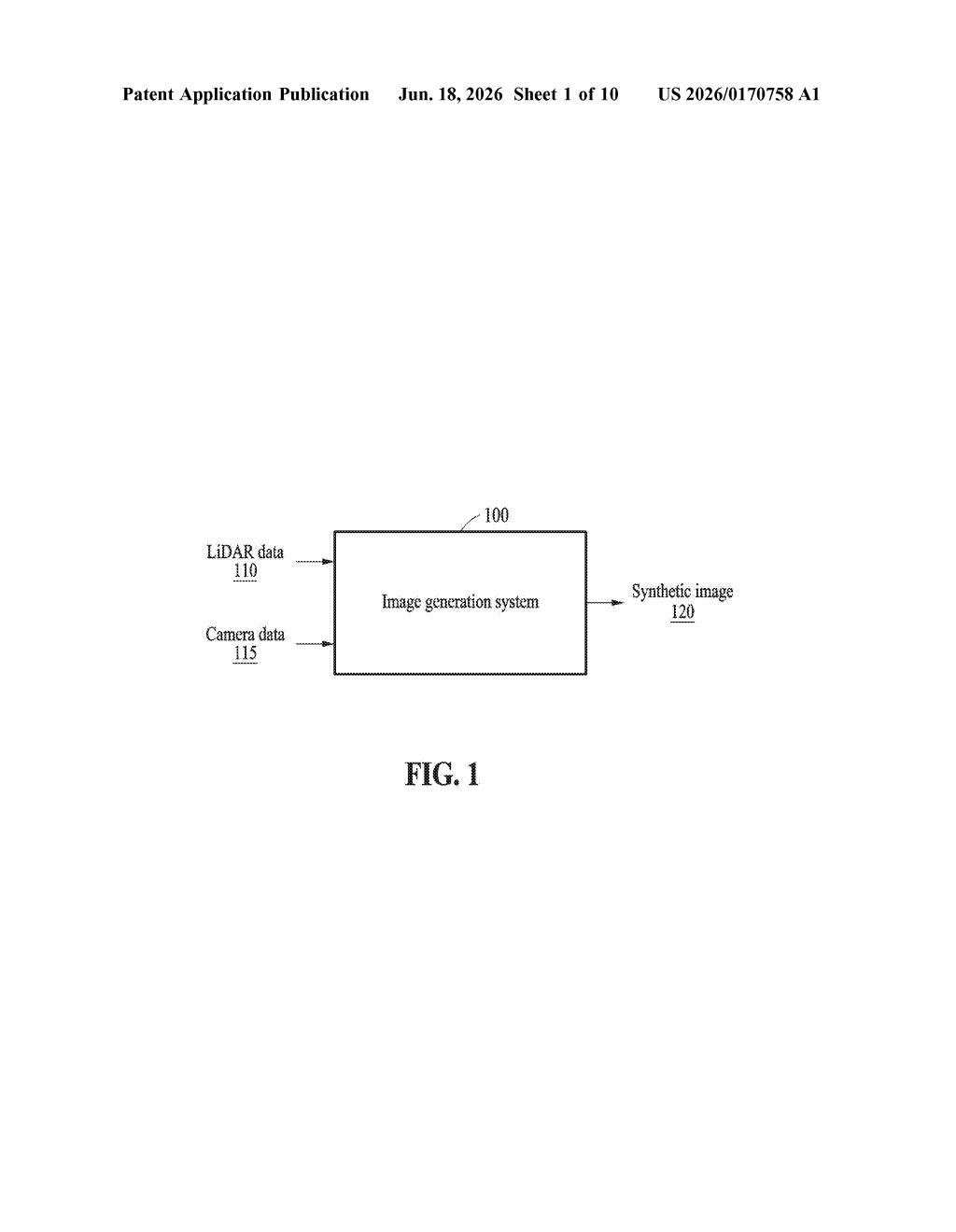
Samsung is working on an AI image-generation system that doesn't just paste objects into photos — it uses 3D spatial data to make sure the object fits the scene the way a real camera would have captured it.
What Samsung's 3D-guided image swapping actually does
Imagine you want to swap the chair in your living-room photo for a different one. Most AI tools just blend pixels together and hope the lighting and angle look plausible. Samsung's approach is different: it works from 3D depth maps — called point clouds — that capture where objects actually sit in space.
The system takes a 3D scan of the object you want in the photo, combines it with the 3D data from the original scene, and then tells an AI generator exactly where and how that object should appear. It also masks out the old object first, so the generator isn't fighting with what was already there.
The result is an output photo where the new object should look like it was always part of the scene — correct perspective, correct depth, no obvious copy-paste edges. This could matter a lot for product photography, AR previews, or on-device photo editing tools.
How point clouds drive the AI generation process
The patent describes a pipeline with four main steps:
- Sample point cloud selection: The system pulls a 3D point cloud — a collection of data points in space that together define an object's shape and position — from memory. This represents the object you want to insert into a photo.
- Generation-condition point cloud: That sample point cloud is merged with a target point cloud from the existing scene. The combined 3D data becomes the condition — essentially the blueprint — the AI must follow when generating the output.
- Masked input image: The system identifies and blacks out the area in the original photo where the old object sits, so the AI generator works from a clean canvas for that region.
- Denoising generation: The masked image is fed into a diffusion-style generative model (the kind that starts from noise and progressively refines an image) while the combined point cloud steers the output. The model fills in the masked area with a new object that respects the 3D geometry of both the target scene and the sample object.
The key idea is using 3D spatial data as a hard constraint on the AI, not just a soft style hint. That distinguishes this from text-prompt-only image editing, where geometry is often just guessed.
What this means for AI photo editing on Galaxy devices
If this works as described, it closes one of the more obvious gaps in AI photo editing: geometric plausibility. Right now, even good AI compositing tools can produce objects that look slightly wrong in angle or scale. Feeding a depth-aware point cloud directly into the generator gives the model concrete spatial information to work from, which should reduce those errors.
For Samsung Galaxy users, this lines up with the company's ongoing push to bring generative AI editing features — like object removal and scene recomposition — into its camera and gallery apps. A 3D-guided system would also fit naturally with devices that carry depth sensors, making those sensors useful for something beyond portrait-mode blur.
This is a technically credible patent, not a throwaway filing. Using point-cloud geometry as a hard generation condition is a reasonable engineering answer to a real problem with diffusion-based image editors. Whether Samsung can make it run fast enough on a phone is the real question, but the approach itself is sound and worth watching.
There are more where this came from
We read every patent application Big Tech publishes and send you the ones worth knowing. Plain English, free, every week.
Want this weekly breakdown for a company we don't cover? Patentlyze Pro →