
IBM Patents a Tool That Keeps Sensitive Business Data Hidden During Code Troubleshooting
When developers debug software running in the cloud, they often get a full view of the code's internal state — including private customer data that was never meant to be seen. IBM's new patent tries to close that gap before it becomes a breach.
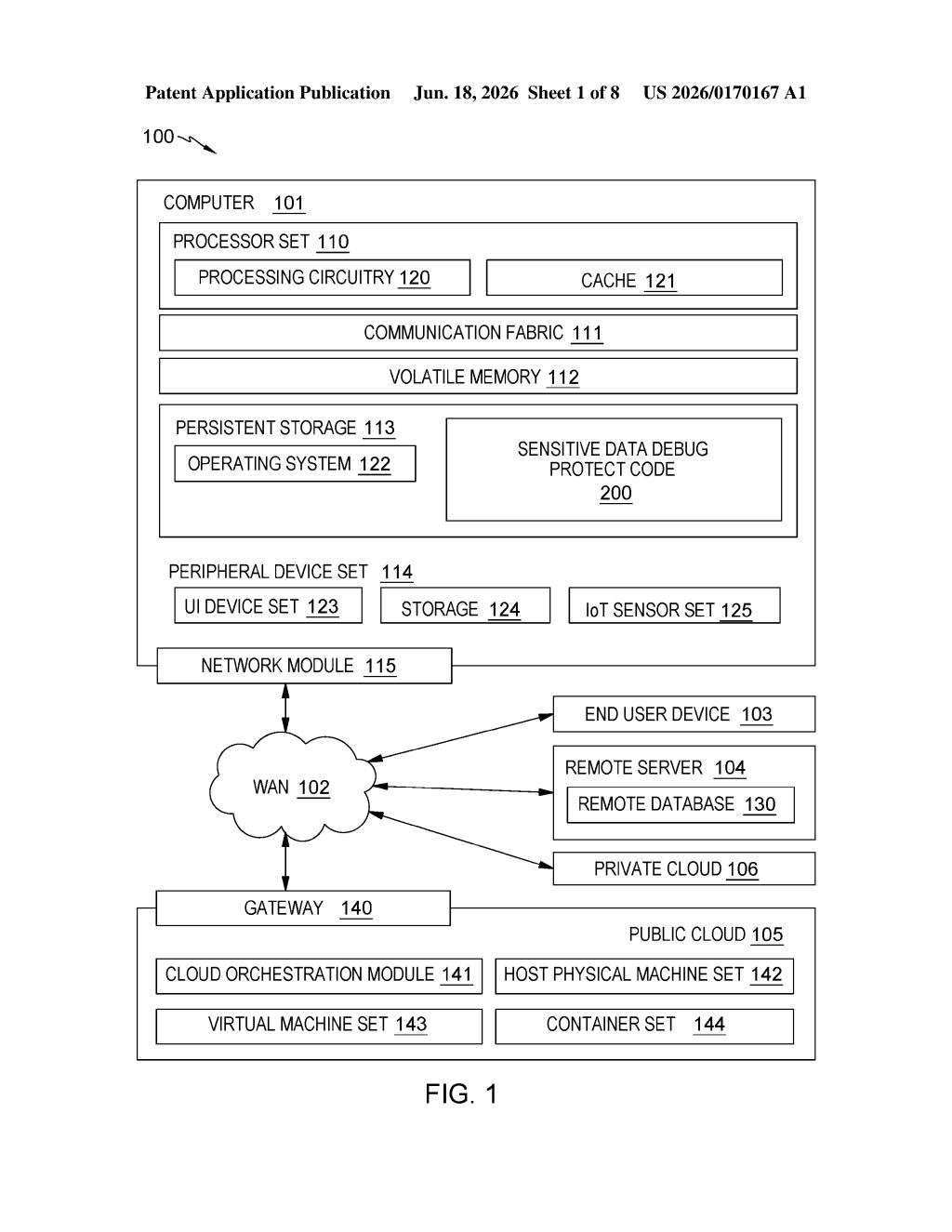
What IBM's privacy-aware debugging tool actually does
Imagine a plumber fixing a pipe inside a bank vault. To do their job, they need some visibility into the space — but that doesn't mean they should be able to read every account number on the wall. Debugging software works similarly: developers need a window into what's happening inside a running program, but that window can accidentally expose sensitive information like passwords, health records, or financial data.
IBM's patent describes a tool built into the compiler — the program that translates human-written code into something a computer can run — that automatically identifies which parts of the code touch sensitive data and then removes that information from the debugging files handed to developers. The developer still gets enough detail to fix bugs, but the private data stays hidden.
This is specifically designed for confidential computing environments — secure cloud setups where companies run sensitive workloads on shared infrastructure. It's a practical fix for a real tension: you need developers to be able to debug, but you can't always trust that everyone with debugging access should see everything.
How the compiler strips data from debug files
The patent describes a modified compiler workflow — the compiler being the software tool that takes source code written by developers and converts it into an executable program the computer can actually run.
Normally, when you compile code in debug mode, the compiler produces a separate debugging information file (often called a DWARF file in practice) that maps the running program back to its original source code. This file lets developers pause a program mid-run and inspect variables, memory values, and program state. The problem: those variables often contain real user data.
IBM's approach adds an analysis step before the debug file is finalized:
- The compiler scans the microservice source code — microservices are small, focused programs that handle one slice of a larger application, like user authentication or payment processing.
- It identifies code regions that handle sensitive data, likely using annotations or data-type analysis.
- It then generates a customized debug file that simply omits the debugging metadata for those sensitive regions — so a developer's debugger can't surface that data even if they try.
The resulting file is passed into a confidential computing environment — a hardware-isolated execution zone (think Intel SGX or AMD SEV) designed to keep workloads private even from the cloud host.
What this means for cloud microservice security
Debugging is one of the most common ways sensitive data leaks in enterprise software — not through hacking, but through legitimate access that goes slightly too far. A developer fixing a payment bug shouldn't be able to see your credit card number in plain text, but current tools often make that unavoidable. IBM's approach bakes the restriction into the build process itself, so there's no workaround and no reliance on developer discipline.
For companies running regulated workloads — healthcare records, financial transactions, government data — this kind of compiler-level control could matter a lot for compliance. It fits squarely into IBM's existing push around confidential computing and its IBM Cloud and IBM Z security positioning, so don't be surprised if something like this surfaces in enterprise tooling within a few years.
This is a genuinely useful idea solving a real, underappreciated problem. Debugging as a data-leak vector doesn't get the attention it deserves, and a compiler-level fix is a more reliable approach than hoping developers follow security policies. It's not flashy, but it's the kind of infrastructure work that enterprise security teams will actually care about.
There are more where this came from
We read every patent application Big Tech publishes and send you the ones worth knowing. Plain English, free, every week.
Want this weekly breakdown for a company we don't cover? Patentlyze Pro →