
Red Hat Patents a System That Strips Harmful AI Commands Before They Run
AI models can generate code that looks helpful but contains instructions that could break — or quietly hijack — a system. Red Hat's new patent describes a filter that catches those dangerous commands before they ever execute.
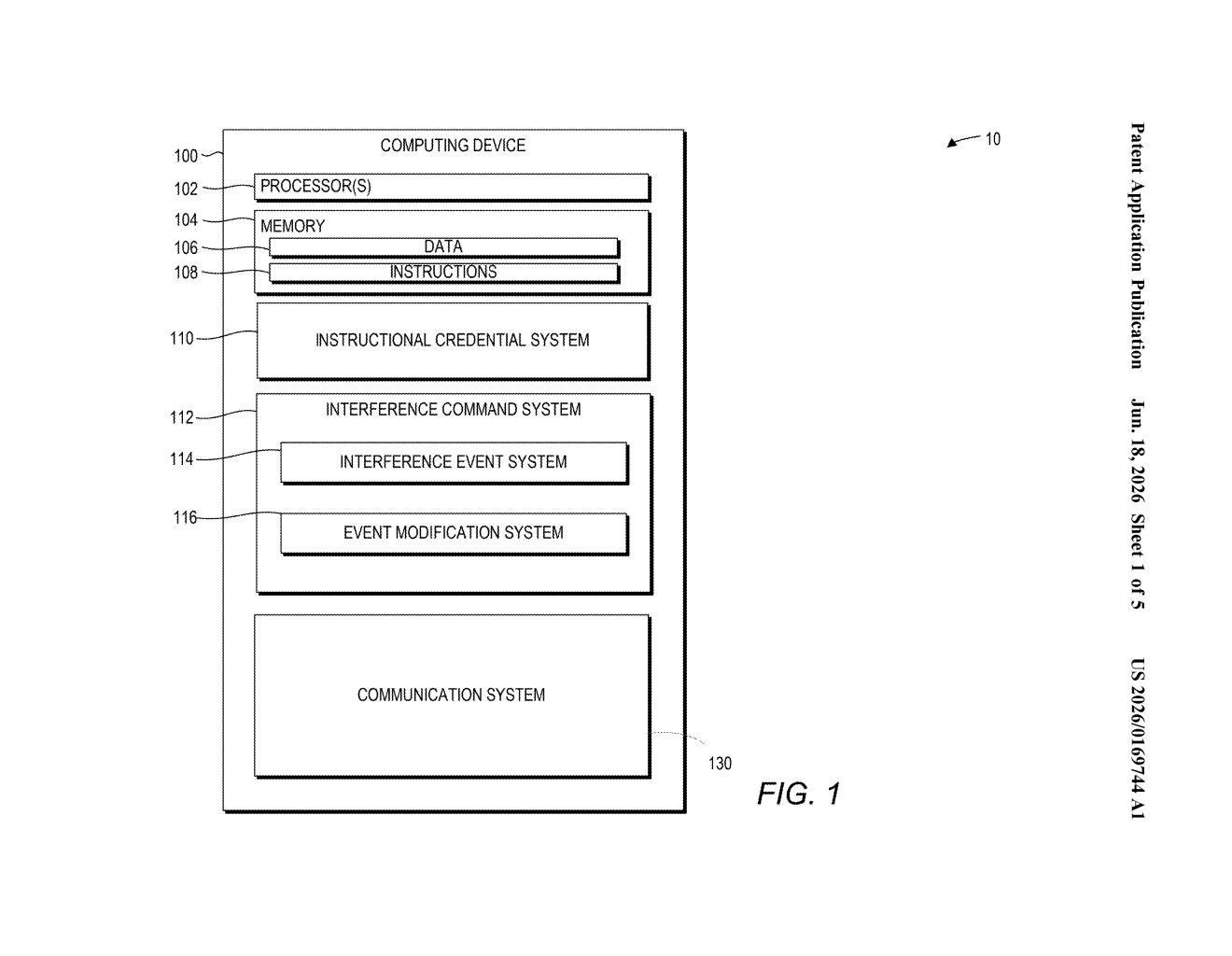
What Red Hat's AI command filter actually does
Imagine asking an AI assistant to help configure your company's servers, and it writes back a set of instructions. Most of them are fine — but buried in the middle is a command that would quietly delete a critical database or open a security hole. You'd never know until the damage was done.
That's the problem Red Hat is patching here. Their patent describes a security layer that sits between an AI model and whatever system is about to run the AI's output. Before any instruction gets executed, this layer checks it against a set of rules about what that system is and isn't allowed to do. If the AI slipped in something it shouldn't have — whether by accident or because someone tried to manipulate it — the system strips that command out and runs only the safe remainder.
This matters most in enterprise IT environments, where AI tools are increasingly being used to automate tasks like system configuration, software deployment, and network management. In those settings, a single bad instruction can cascade into a serious outage or a security breach.
How the system spots and removes interference commands
The patent describes a multi-step pipeline that acts as a checkpoint for AI-generated instructions before they touch a live system.
First, the system checks whether the incoming request has the right credentials to even ask the AI for executable instructions — a step called satisfying an instructional credential. This gates access so not just anyone can trigger AI-generated commands.
Once the AI (specifically a large language model, or LLM) returns its output, the system runs the instructions through an analysis pass. It compares each instruction against a set of operational constraints — essentially a rulebook for what the target computer application is and isn't allowed to do. Any instruction that would violate those rules is flagged as an interference command (meaning a command that, if executed, would cause an unintended or harmful event).
The flagged commands are then removed from the instruction set, and only the cleaned-up, modified version is handed off for execution. The system doesn't just block the whole request — it surgically edits out the bad parts and lets the rest proceed. Key components include:
- Credential verification before the LLM is even queried
- Constraint-based evaluation of the AI's output
- Targeted removal of interference commands
- Execution of the modified, safe instruction set
What this means for AI-powered IT automation
As companies lean harder on AI to automate IT tasks — writing scripts, managing deployments, configuring infrastructure — the attack surface for prompt injection (where a bad actor tricks an AI into generating harmful instructions) grows alongside the opportunity. A safeguard that operates between the AI and the system it controls is a practical answer to a real and growing risk.
For Red Hat specifically, whose core business is enterprise Linux and open-source infrastructure software, this kind of trust layer fits directly into products like Ansible (its IT automation platform) or AI-assisted tools in its OpenShift ecosystem. If AI is going to write the commands that run your data center, something needs to double-check its work.
This is unglamorous but genuinely useful work. As AI automation tools get handed more control over real infrastructure, the gap between 'the AI said to do it' and 'someone checked that it was safe to do it' is exactly where things go wrong. Red Hat is building a bridge over that gap, and the approach — verify credentials, evaluate against constraints, surgically remove the bad parts — is sensible and well-scoped.
There are more where this came from
We read every patent application Big Tech publishes and send you the ones worth knowing. Plain English, free, every week.
Want this weekly breakdown for a company we don't cover? Patentlyze Pro →