
Sony Patents a 3D Display That Works Harder Where Your Eyes Actually Are
Sony is patenting a way to make glasses-free 3D displays cheaper to run — by doing the heavy computing only where the viewer is actually standing, and dialing back the work everywhere else.
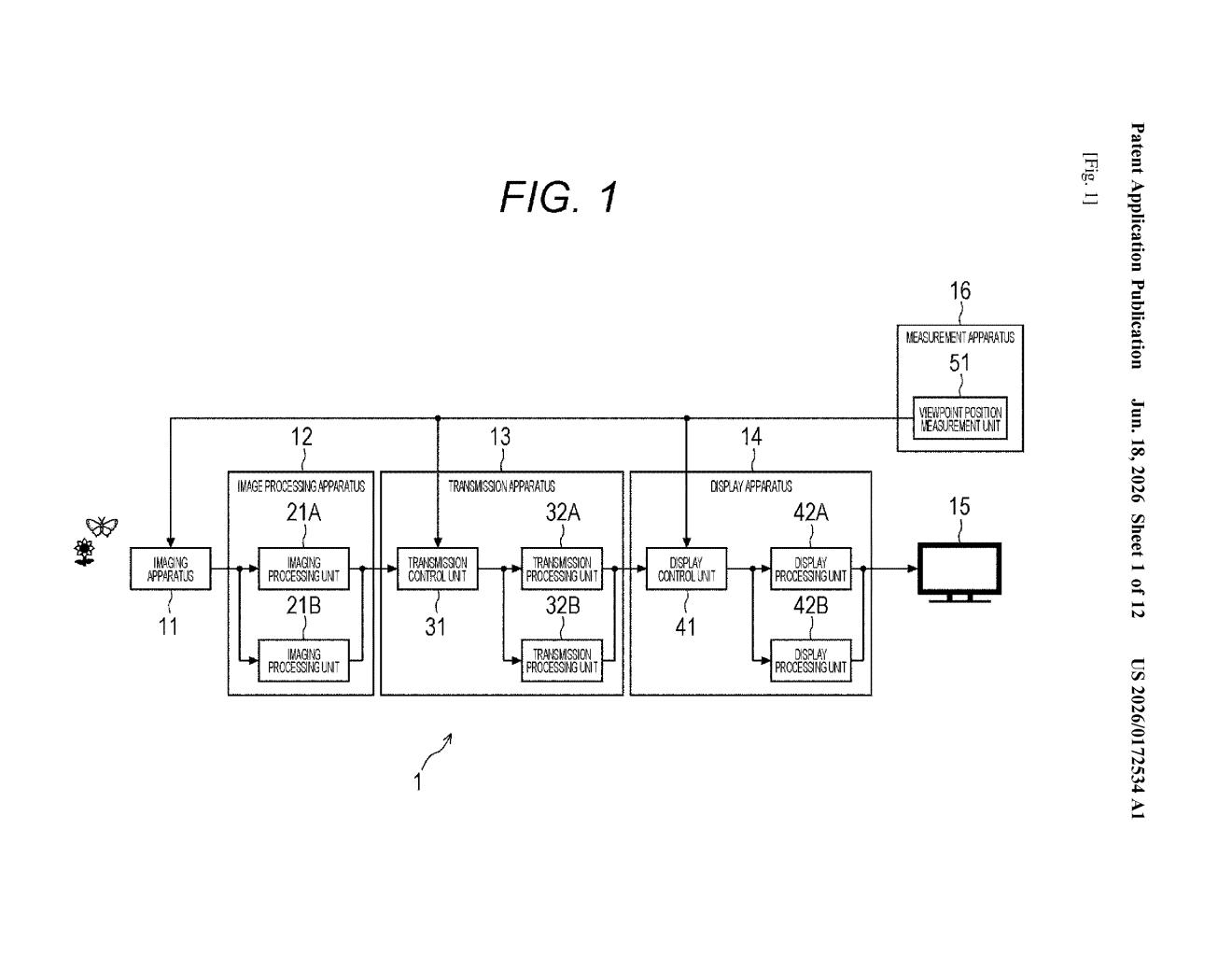
How Sony's 3D display saves power by tracking your position
Imagine a TV that can show a 3D image without glasses — but instead of showing the same image in every direction, it projects slightly different pictures toward each position in the room. That sounds simple, but rendering all those different views at full quality takes a huge amount of computing power.
Sony's patent describes a way around that problem. Rather than treating every viewing angle equally, the system figures out where you're actually standing and devotes most of its processing power to the image aimed at your position. Viewpoints further away from you get a lighter treatment — less computation, lower quality — because nobody standing there needs a great picture right now.
The result is a system that should be able to run a glasses-free 3D display without burning through as much processing power. It's a fairly practical engineering idea: do the most work where it counts, and take shortcuts where it doesn't.
How the system splits processing load across viewpoints
A glasses-free stereoscopic display works by sending slightly different images in many different directions at once — so a viewer at any given position sees a convincing 3D effect. The catch is that generating all those views simultaneously is computationally expensive.
Sony's patent introduces a two-tier processing system. The system identifies the viewer's current position in the room and assigns that viewpoint a "first processing load" — meaning full-quality rendering. Every other viewpoint gets a "second processing load" that is explicitly lower, reducing the computation needed for angles the viewer isn't occupying.
The key insight is that image quality only matters at the location where a human is actually looking. Viewpoints further from the user can be rendered at reduced fidelity — fewer calculations, lower resolution, or simplified depth processing — because no one standing there needs a high-quality image at that moment.
- First signal: Full-load rendering for the viewpoint matching the real user's position
- Second signal: Reduced-load rendering for all other viewpoints
- Dynamic adjustment: The system is tied to the user's position, implying it updates as the viewer moves
What this means for Sony's glasses-free 3D display ambitions
Glasses-free 3D displays have long been held back by the sheer computing cost of rendering dozens of simultaneous viewpoints at acceptable quality. Sony's approach — prioritizing processing where the viewer actually is — directly targets that bottleneck. If it works well in practice, it could make large-format glasses-free 3D screens more practical for consumer or professional use without requiring enormous dedicated hardware.
For Sony specifically, this fits a pattern of investment in professional and consumer display technology. The company already sells glasses-free spatial reality displays aimed at creators and designers. A more efficient rendering method could bring those products to a wider audience, or enable larger screens that would otherwise be too demanding to drive in real time.
This is a solid, practical engineering patent — not a flashy concept, but the kind of behind-the-scenes optimization that actually determines whether a product is viable. Glasses-free 3D displays are real today but expensive and computationally demanding; this kind of load-balancing is exactly what would need to work well for them to become mainstream. It's worth watching if you follow Sony's display roadmap.
There are more where this came from
We read every patent application Big Tech publishes and send you the ones worth knowing. Plain English, free, every week.
Want this weekly breakdown for a company we don't cover? Patentlyze Pro →