
Apple Patents a Hinge That Hides Wiring Inside Smart Glasses Arms
Apple has filed a patent for a hinge mechanism that does two jobs at once: it lets a wearable display's arms fold open and shut, and it secretly runs electrical connections through the hinge itself, keeping the device clean and wire-free on the outside.
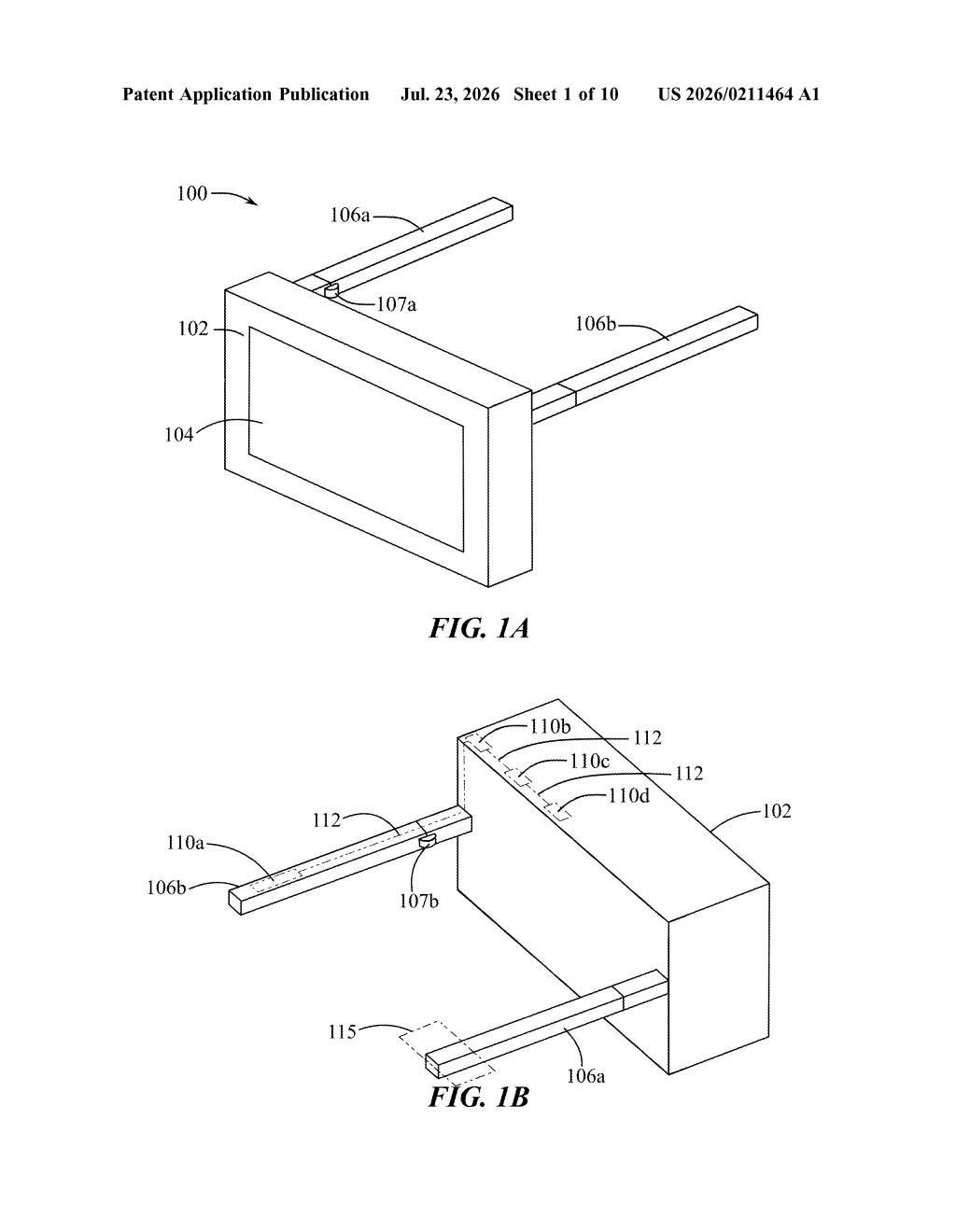
What Apple's wearable hinge actually does
Imagine a pair of glasses where the arms fold in and out just like normal eyewear, but somewhere inside that tiny pivot point, a wire is carrying power or data between the frame and the arm. That's the core idea in this Apple filing.
Apple describes a hinge with a central shaft sitting inside a protective housing. A small connecting piece (called a link in the patent) extends from that shaft and lets the arm rotate smoothly. The electrical connector travels through the hinge itself, rather than looping around the outside where it could snag or wear out.
The patent also mentions a "bi-stable" design, which means the hinge is engineered to sit firmly in two positions: fully open or fully closed. It won't sag halfway. That kind of snap-into-place behavior is something most people already expect from eyeglasses, but engineering it into a device that also carries live electrical signals is trickier.
Inside the shaft, link, and bi-stable spring setup
The patent describes a wearable electronic display device built around a hinge that serves as both a mechanical pivot and an electrical pathway. The main components work together like this:
- A central shaft sits inside a protective housing at the hinge point. This shaft is the structural core around which everything rotates.
- A link extends from the shaft and connects to the inner portion of the arm, allowing the arm to rotate without the shaft itself spinning freely.
- A pivot shaft is fixed to the central shaft and couples to the link, controlling exactly how the rotation happens mechanically.
- An electrical connector passes through the hinge, coupling the arm electrically to the frame without needing external wiring.
The patent also describes an energy storage member built into the central shaft. This is essentially a small spring or similar mechanism that stores mechanical energy as the hinge moves, helping drive the bi-stable behavior.
Bi-stable means the hinge has two preferred resting positions (open and closed) and resists stopping anywhere in between. It snaps definitively from one state to the other, which prevents unwanted drooping and reduces wear on the electrical connector inside.
What this means for Apple's wearable display ambitions
Routing electrical connections through a hinge is one of the harder engineering problems in wearable hardware. External cables flex and break over time with repeated opening and closing, while internal routing requires the hinge geometry to protect the wiring across thousands of cycles. Apple's approach of building the connector path directly into the hinge structure suggests the company is designing for durability at the component level, not just the product level.
The bi-stable snap behavior is also a quality-of-life detail that matters more than it sounds: a hinge that stays put means the device feels premium in everyday use, and it reduces stress on the internal wiring. For a wearable display that needs to survive daily wear, this kind of mechanical precision is the foundation everything else sits on.
This is a component-level patent, not a product announcement, and it reads like Apple doing the unglamorous groundwork for a glasses-style wearable. The bi-stable hinge with internal wiring is a real engineering constraint that has to be solved before anything else ships. Worth tracking as infrastructure.
Get our take in your Top Stories
Liked this breakdown? Add Patentlyze as a preferred source on Google, and our plain-English take shows up more often in your Top Stories the next time Apple patent news breaks.
There are more where this came from
We read every patent application Big Tech publishes and send you the ones worth knowing. Plain English, free, every week.
The drawings
10 drawing sheets from US 2026/0211464 A1 · click any drawing to enlarge


Show the other 2 sheets


Want this weekly breakdown for a company we don't cover? Patentlyze Pro →