
Salesforce Patents an AI That Catches and Fixes Its Own Broken Connections
Salesforce is patenting a system where an AI builds software connections between apps, then automatically checks its own work for mistakes — and sends itself a targeted correction before you ever see a broken result.
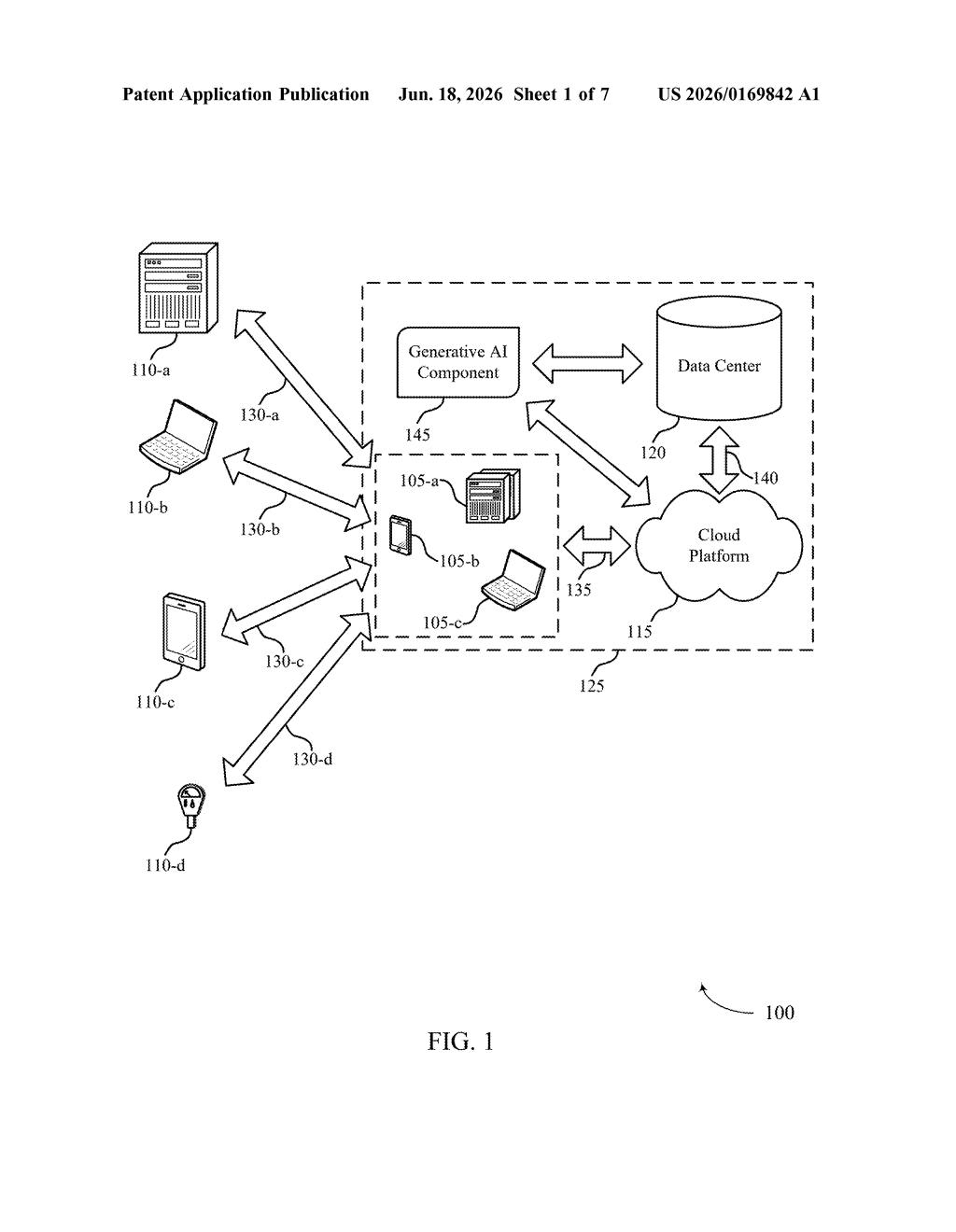
What Salesforce's self-correcting AI workflow builder does
Imagine you ask a smart assistant to wire up your company's invoicing software so it automatically sends data to your accounting tool. The assistant drafts the connection, but the instructions it wrote have a subtle error — a field name is wrong, or two steps are in the wrong order. Normally, you'd have to spot that yourself or hire someone who can read technical logs.
Salesforce's patented system skips that headache. After the AI generates the connection plan, a separate rules-based checker reads it, spots the problems, groups them into known error categories, and then sends a second, targeted message back to the AI — essentially saying "here's what you got wrong and here's the right pattern to follow." The AI revises its answer before you see anything.
The result is that the tool is more likely to hand you a working integration on the first try, without requiring you to understand the technical details that went wrong underneath.
How the error-pattern loop sends fixes back to the AI
The patent describes a pipeline with three distinct stages: generation, validation, and correction — all happening automatically before the user receives a final output.
Generation: When a user types a request (e.g., "connect my CRM to my email platform"), the system builds a query that bundles the user's words with two extra sources: integration flow grounding information (a curated set of rules and templates about how valid integrations should look) and the conversation history (what was said earlier in the session). That enriched prompt goes to a generative AI model, which produces the integration flow.
Validation: A rules engine reads the AI's output and checks it against integration flow validation rules. When it finds mistakes, it doesn't just list them — it buckets them into error patterns (categories of known, recurring mistake types) and produces an error message summary.
Correction: If errors exist, the system fires off a second prompt — the error correction query — which includes the error summary and error correction grounding information matched to the specific error patterns found. The AI receives this correction context and returns a revised integration flow.
The loop effectively turns the AI into a self-auditing system, using structured feedback rather than a vague "try again" retry.
What this means for Salesforce's no-code automation push
For Salesforce, this patent fits squarely into its push to let non-technical business users build their own automated workflows — the kind of thing that today still requires a developer or a consultant. If the AI can silently fix its own mistakes before handing off a finished connection, the system becomes far more reliable in real deployments, where a single broken field mapping can stop data from flowing between apps entirely.
It also signals how Salesforce thinks about AI reliability in enterprise contexts: instead of just prompting better, they're building a structured quality-control layer on top of generation. That's a more defensible approach than hoping the AI gets it right on the first try — and it's something you as a Salesforce admin or business user would benefit from without ever knowing it was happening.
This is solid, practical AI engineering rather than a flashy capability. The interesting design choice is grouping errors into patterns before sending the correction prompt — that's a meaningful detail, because it means the feedback the AI receives is more structured and actionable than a raw error log. Whether this specific loop is patentable is a separate question, but as a product direction it's the right instinct for enterprise software where broken integrations have real business consequences.
There are more where this came from
We read every patent application Big Tech publishes and send you the ones worth knowing. Plain English, free, every week.
Want this weekly breakdown for a company we don't cover? Patentlyze Pro →