
Google Patents Smarter Uplink Scheduling for XR and Cloud Gaming on 5G
When you're streaming a cloud game or wearing an XR headset, your phone is constantly negotiating radio airtime with the cell tower — and right now, that negotiation is clunky. Google's new patent tries to make it smarter.
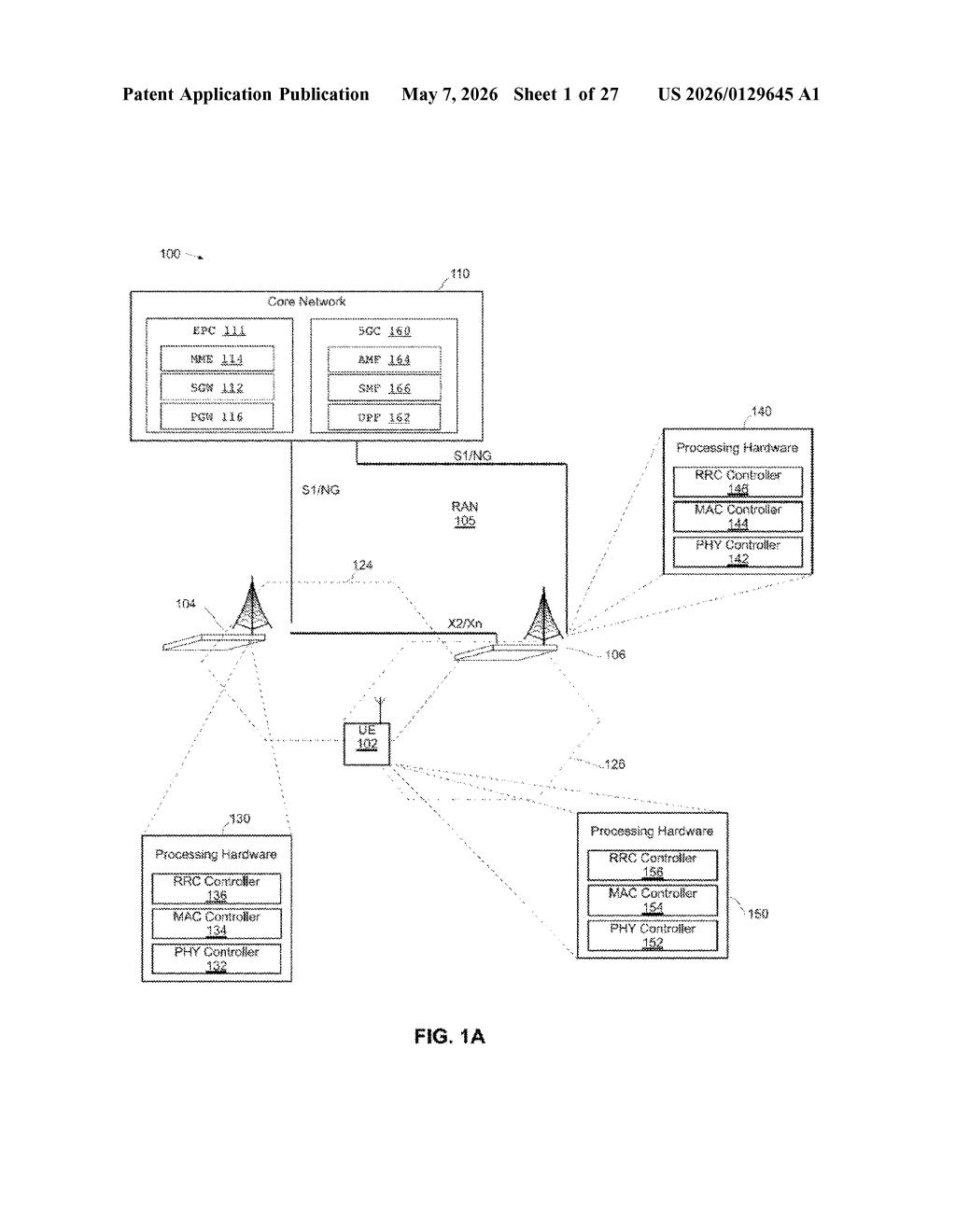
What Google's XR uplink fix actually does for your connection
Imagine you're playing a cloud game on your phone. Your device needs to constantly send data up to the network — controller inputs, sensor readings, video frames — and the cell tower has pre-assigned chunks of airtime for that. The problem is those chunks were reserved in advance, before your device knew exactly how much data it would actually have to send.
Sometimes you get more airtime than you need (wasted spectrum) and sometimes less (dropped frames, lag). Google's patent describes a system where your device can look at the pre-assigned radio slots, compare them to how much data it actually needs to send right now, and then send a quick message to the tower saying "I need more" or "you can take some of those slots back."
The goal is to keep XR and cloud gaming traffic — which arrives in big, irregular bursts — flowing smoothly without hogging airtime that other users could be using. It's essentially smarter just-in-time resource management for the uplink side of your wireless connection.
How the UE reports PUSCH resource mismatches in real time
The patent targets the uplink (UE-to-network) side of 5G NR radio scheduling, specifically for Extended Reality (XR) and cloud gaming traffic. These use cases generate large data packets that arrive quasi-periodically — meaning roughly on a schedule, but with variable sizes — which makes them a poor fit for fixed, pre-allocated radio resources.
The core mechanism involves PUSCH Configured Grants (CG) — think of these as standing reservations of radio airtime that the base station hands to a device in advance, so the device doesn't have to ask permission before every transmission. The patent's method lets the UE assess how much data it actually needs to send in the current traffic period and compare that to what the CG has reserved.
If the mismatch is significant, the UE transmits a message to the network entity (the base station) indicating one of two things:
- Cancellation: the UE is giving back PUSCH occasions it doesn't need this period
- Request for more: the UE signals it needs additional resources beyond what was pre-granted
This feedback loop lets the network reclaim unused spectrum quickly and redistribute it, while also letting latency-sensitive XR sessions grab extra airtime on demand. The patent covers both the signaling format and the decision logic the UE uses to trigger these reports.
What this means for cloud gaming and AR headset wireless performance
XR headsets and cloud gaming are among the most demanding workloads wireless networks have ever had to support — sub-20ms latency, high reliability, and bursty uplink traffic that doesn't fit neatly into traditional scheduling models. Right now, 5G networks often over-provision uplink resources to guarantee headroom, which wastes spectrum. Google's approach tries to recover that waste dynamically.
For you as a user, the practical payoff would be fewer dropped frames and lower latency during cloud gaming or XR sessions, especially in congested environments. For network operators, the benefit is more efficient use of limited radio spectrum. This is the kind of quiet, low-level protocol work that doesn't make headlines but determines whether next-generation XR devices actually feel responsive in the real world.
This is unglamorous but genuinely important work — the kind of radio layer optimization that separates a good XR experience from a frustrating one. Google is clearly positioning itself to influence how 5G handles XR traffic at the standards level, likely through 3GPP, and this patent is part of that broader standards play. Worth watching if you care about wireless performance for next-gen devices, but don't expect a consumer product announcement tied directly to this filing.
There are more where this came from
We read every patent application Big Tech publishes and send you the ones worth knowing. Plain English, free, every week.
Want this weekly breakdown for a company we don't cover? Patentlyze Pro →