
Apple Patents a Way to Pull Saved Web Content Directly Into Other Apps
You save something from a webpage and, without any copying or switching, it shows up inside a completely different app alongside related content. That's the core idea Apple just filed a patent for.
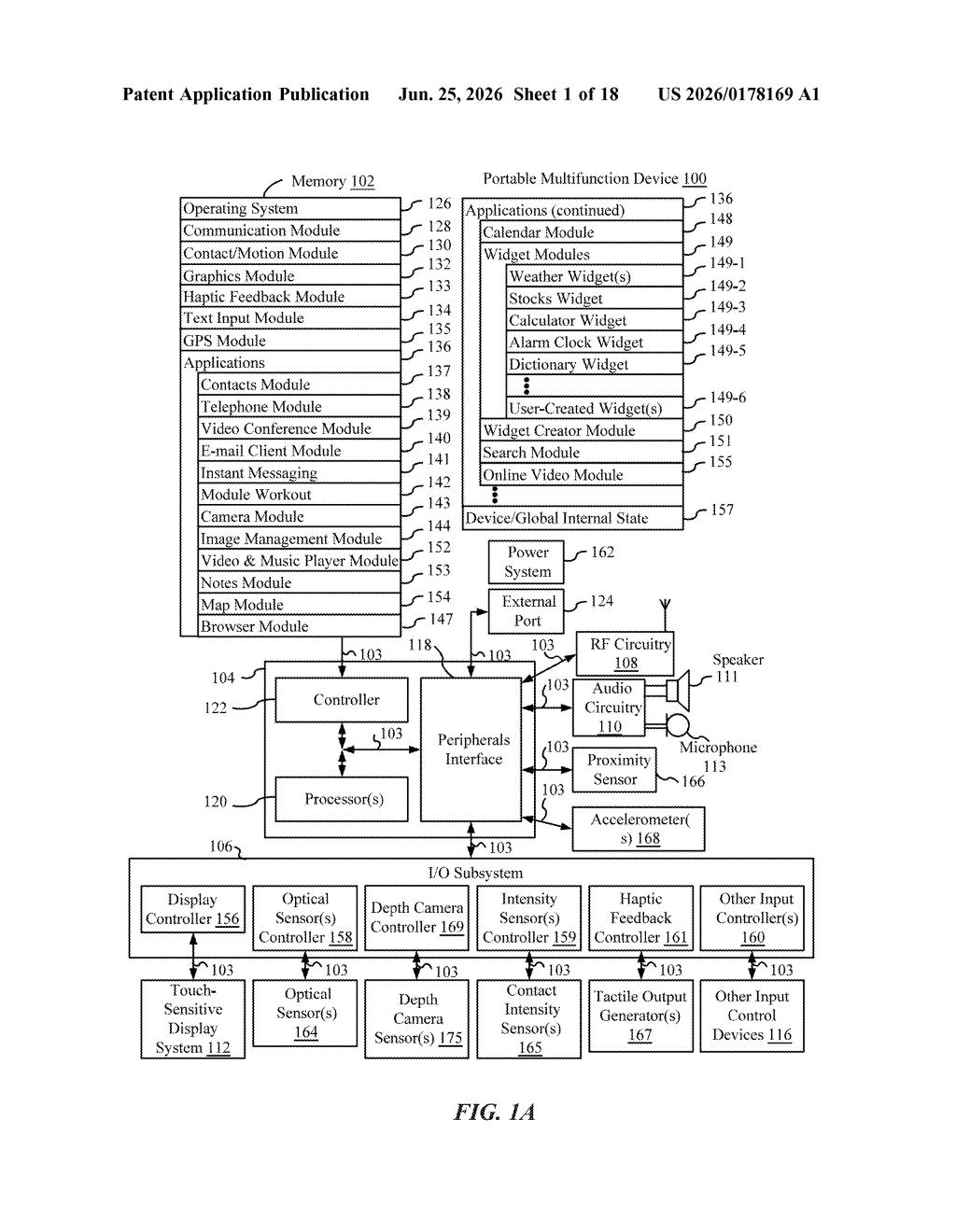
What Apple's cross-app web saving actually does
Imagine you're browsing a recipe website and you tap a button to save a dish you like. Right now, that usually means it gets bookmarked somewhere and you have to hunt it down later. Apple's patent describes a different experience: saving something from a webpage would immediately surface a prompt, and tapping that prompt would drop you into a second app where your saved item already appears, organized alongside other related items.
Think of it like saving a product from a website and having it instantly appear in your shopping list app, already grouped with similar things you've saved before. The patent covers the whole handoff: the save action, the little indicator that pops up, the tap on that indicator, and the landing experience in the second app.
This is about cutting out the manual busywork of moving web content into the apps where you actually use it.
How the save gesture triggers the cross-app display
The patent describes a multi-step interaction flow that bridges a web-browsing context and a separate native application.
- A user is inside a first application (likely a browser like Safari) and views content in one part of its interface.
- While a second view of that same application is on screen, the user makes a save gesture directed at that view.
- The system responds by showing a small indicator corresponding to the saved items, rather than silently tucking them away.
- When the user taps that indicator, the system opens a second, different application whose interface contains both a representation of the just-saved items and a representation of other related items the user did not explicitly save in this session.
The key technical detail is that last step: the destination app doesn't just receive the saved item in isolation. It presents it in context, alongside other content, implying the system has some awareness of how the new item relates to existing data in the second app.
The claim is written broadly enough to cover many app pairs, not just Safari to Notes or Safari to Reminders. The two-view structure of the first application (a first UI and a second UI running simultaneously) also suggests this could apply to split-screen or overlapping-window scenarios.
What this means for Safari and Apple's app ecosystem
For everyday users, this kind of frictionless handoff between web content and native apps is one of those small things that adds up quickly. Right now, saving web content and actually using it in another app requires multiple steps: copy, switch, paste, organize. A patent like this points toward collapsing that into a single tap.
For Apple's broader ecosystem strategy, it reinforces the value of staying inside Apple's own apps. If saving from Safari to Notes or Reminders or a shopping app becomes this automatic, third-party web-clipping tools and browser extensions that do similar jobs become less compelling. Whether this ends up as a Safari feature, a Shortcuts integration, or something else entirely isn't clear from the patent alone, but the direction is obvious.
This is a fairly narrow UX patent covering a specific save-and-transfer interaction, not a platform-level architecture change. That said, the 'saved item appears in context alongside related items' detail is the interesting part: it implies some intelligence about how new content fits with existing content in the destination app, which is worth watching.
There are more where this came from
We read every patent application Big Tech publishes and send you the ones worth knowing. Plain English, free, every week.
Want this weekly breakdown for a company we don't cover? Patentlyze Pro →