
Google Splits AI Noise Cancellation Between Earbuds and Phone in New Patent
Your earbuds don't have enough computing power to fully clean up your audio on their own. Google's latest patent describes a way to split that work in two, letting a small on-device model handle the first pass and a more powerful model on your phone or the cloud handle the rest.
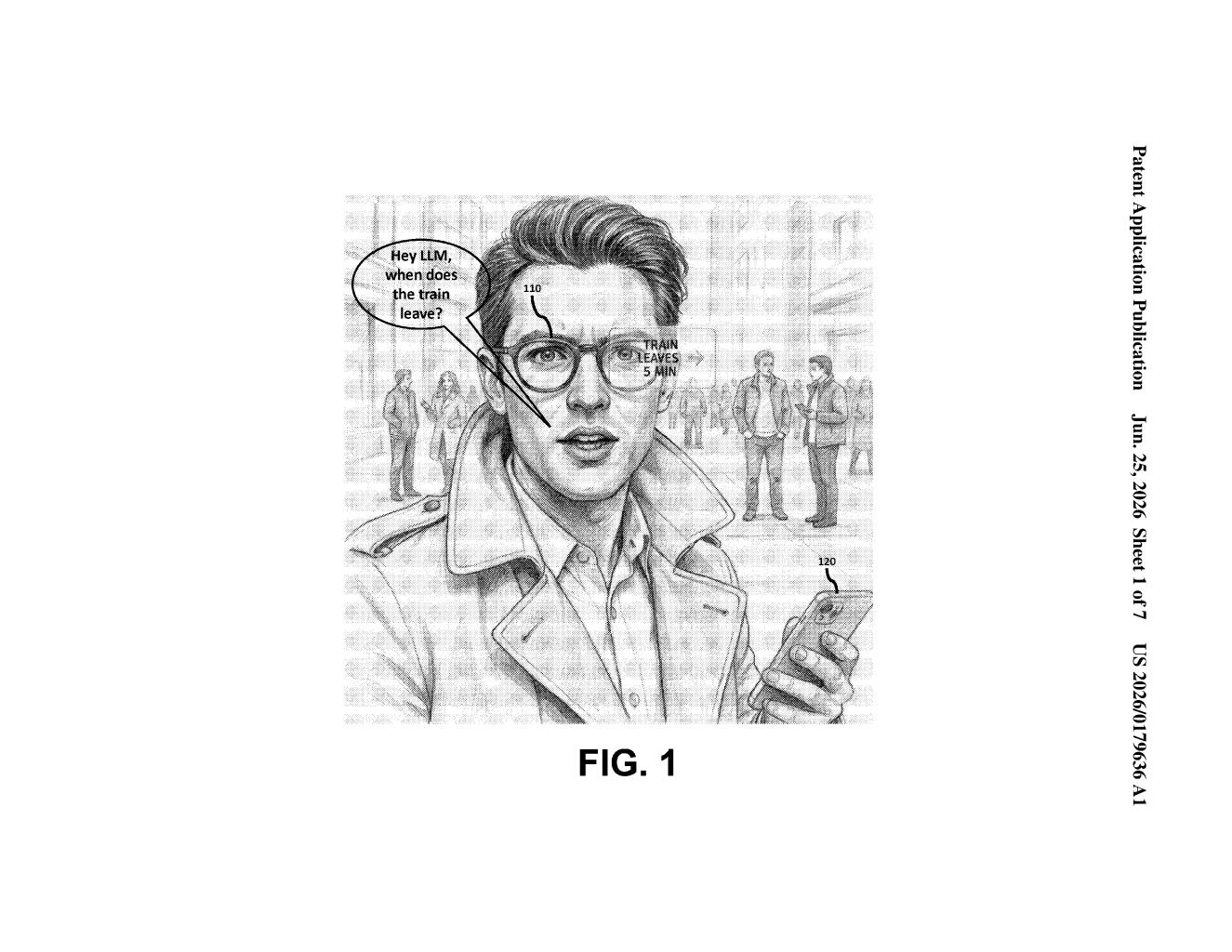
How Google's two-stage audio cleanup actually works
Imagine you're on a call while wearing wireless earbuds. The microphones on those earbuds have a specific shape and placement, and they pick up all kinds of noise that's unique to that particular device: wind hitting the housing, vibrations from the ear seal, the rustle of your hair. Cleaning all that up takes real computing muscle, which tiny earbuds simply don't have.
Google's patent describes a two-step fix. A small AI model lives on the earbuds themselves and is trained specifically for that device's microphone layout and quirks. It does a quick first pass, strips out the device-specific noise, and sends a compressed, cleaner audio signal to your phone or a cloud server. There, a second, more powerful AI model does a deeper clean, tackling the general background noise that affects recordings from any device.
The result is that the heavy lifting gets done where the computing power actually exists, without drowning your phone in raw, unprocessed audio data. It's a division of labor that could make voice calls and recordings noticeably cleaner without killing your earbud battery.
How the device model and universal model divide the work
The patent describes a modular, two-stage audio processing pipeline designed for resource-constrained devices like head-worn earbuds or smart glasses.
- Stage one (device-specific model): A compact AI model runs directly on the wearable. It's trained on data specific to that device's microphone geometry and acoustic behavior, meaning it knows exactly what kind of noise that hardware tends to introduce. It takes in multi-channel audio (audio captured from more than one microphone at once) and outputs a cleaner, reduced-bandwidth or compressed intermediate signal.
- Stage two (universal model): A second, larger AI model runs on a paired smartphone or a remote server. This model is trained on audio from many different devices, so it can handle a broader range of noise and artifacts. It receives the intermediate audio from stage one and produces the final, fully cleaned output.
The split matters because raw multi-channel audio is large and expensive to transmit. By compressing it at the device level first, the system reduces the data load before anything leaves the earbuds. The two-model structure also means the universal model doesn't need to know the specifics of every device it might receive audio from, since the device-specific model already handled that layer.
What this means for wireless audio and wearables
For anyone who takes voice calls or records audio on the go, noise removal quality has always been a tug-of-war between battery life and processing power. Doing everything on the earbuds drains them fast. Sending raw audio to your phone wastes bandwidth and can introduce lag. Google's split-model approach tries to solve both problems at once by assigning each task to the hardware best suited for it.
This architecture also has a practical upgrade path. If Google releases a better universal model, it can push that update to the phone or cloud side without requiring new hardware. The on-device model, meanwhile, can be tailored to each specific product at manufacturing time. That kind of modularity is genuinely useful for a company shipping multiple audio products across different price points.
This is quiet, unglamorous engineering work, but it's the kind that actually ships. The two-stage split is a clean solution to a real constraint, and it fits neatly with how Google already structures its Pixel Buds and Pixel phone ecosystem. If this makes it into a product, most users will never know it's there, which is exactly the point.
There are more where this came from
We read every patent application Big Tech publishes and send you the ones worth knowing. Plain English, free, every week.
Want this weekly breakdown for a company we don't cover? Patentlyze Pro →