
Microsoft Patents OS Updates That Roll Back Only the Broken Parts
Every Windows user has lived through a bad update that bricks something. Microsoft is patenting a system that can undo just the file that broke, without throwing out the entire update.
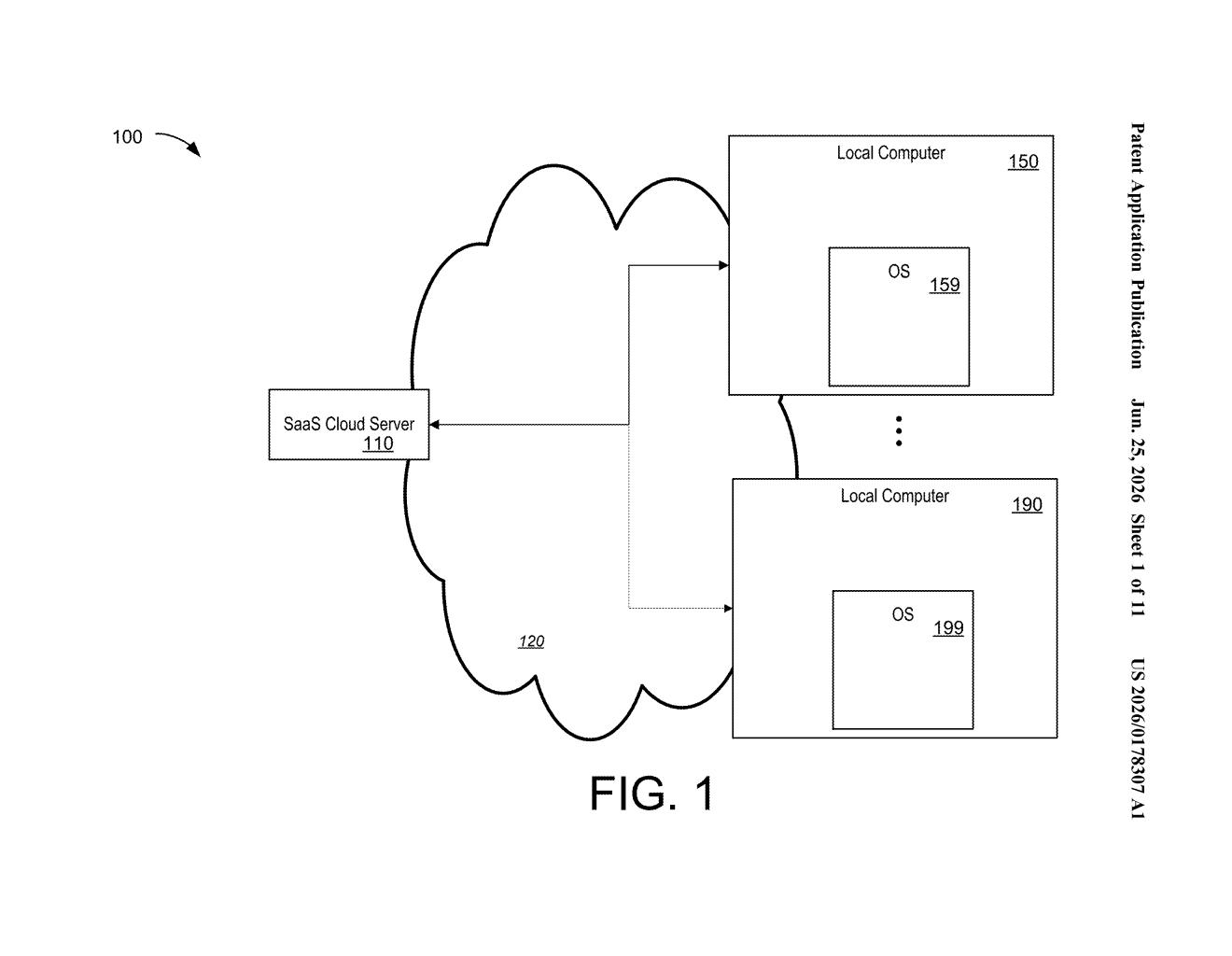
What Microsoft's self-reverting update actually does
Imagine your computer installs a system update with 20 new files. One of those files causes a crash. Right now, the only fix is to uninstall the entire update, which means losing the 19 files that were working perfectly fine.
Microsoft's patent describes a different approach. Instead of shipping you only the new version of a file, each update package also secretly includes the old version of that same file. A small background program watches your system while the new files run. If something goes seriously wrong, like the computer failing to boot, that background program swaps the broken new file back to the safe old one on its own.
The other files in the update stay in place. Only the problem file gets rolled back. You keep the improvements from the rest of the update, and your computer gets back to a stable state without you having to do anything.
How the local agent detects and reverts a broken binary
The patent describes a polymorphic update: a single patch package delivered from a cloud server that contains both the updated binary (the new file) and the initial binary (the original file it replaces). Both are installed to the local machine at once when the update arrives.
The operating system runs on the updated binary as normal. Meanwhile, a local agent (a small background process) watches for internal signals from the OS. These signals are things like crash reports or a failure to complete the boot sequence, essentially the OS telling itself that something has gone badly wrong.
When one of those signals crosses a defined threshold (what the patent calls satisfying a "criteria"), the local agent doesn't wait for a human or a remote server. It immediately swaps the OS back to the initial binary for that specific file.
- The update package includes both old and new versions of each file
- A background agent monitors OS health signals in real time
- On a critical failure, only the specific broken file is reverted
- All other updated files in the same patch remain in their updated state
What this means for Windows update reliability
The current fallback for a bad Windows update is a blunt instrument: roll back everything. That means any security patches or bug fixes bundled in the same update disappear too, potentially leaving a machine exposed until a corrected update ships. Microsoft's approach keeps those good patches in place.
For IT teams managing thousands of machines through a SaaS deployment pipeline, this could also mean fewer emergency calls about unbootable computers. The system is designed to self-correct at the individual file level before a human even notices something went wrong, which is a meaningful shift from how enterprise patch management typically handles failure today.
This is genuinely useful, unglamorous infrastructure work. Bad Windows updates are a real and recurring problem for both consumers and enterprise IT, and the current all-or-nothing rollback is a clunky solution. A surgical self-revert mechanism that keeps working patches in place is a concrete improvement worth shipping.
There are more where this came from
We read every patent application Big Tech publishes and send you the ones worth knowing. Plain English, free, every week.
Want this weekly breakdown for a company we don't cover? Patentlyze Pro →